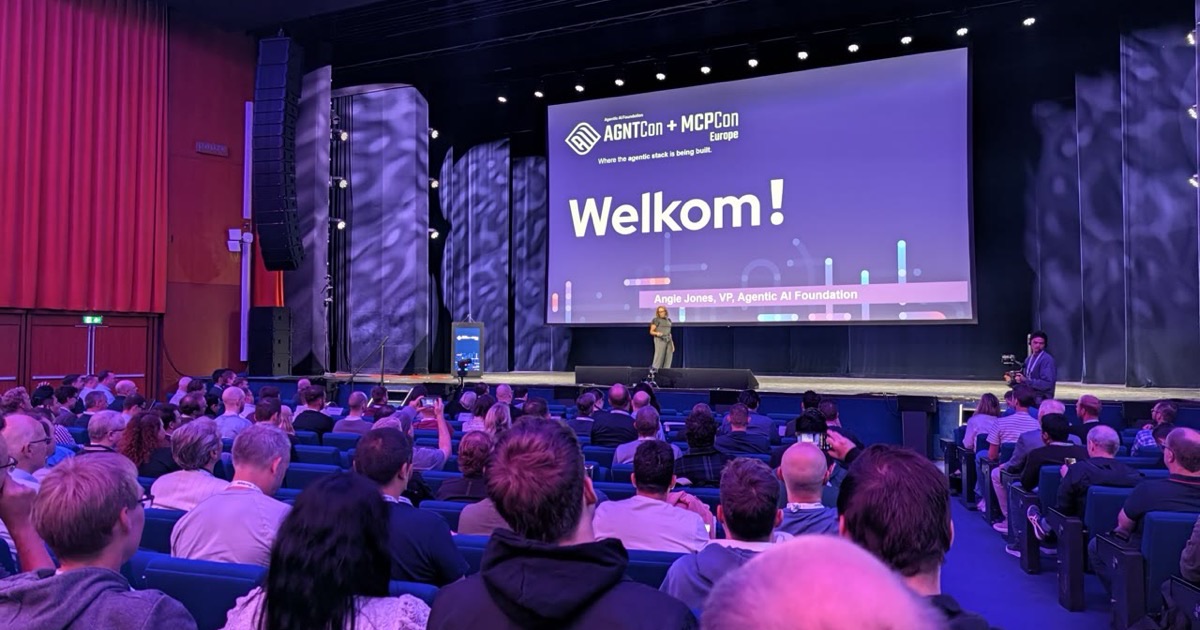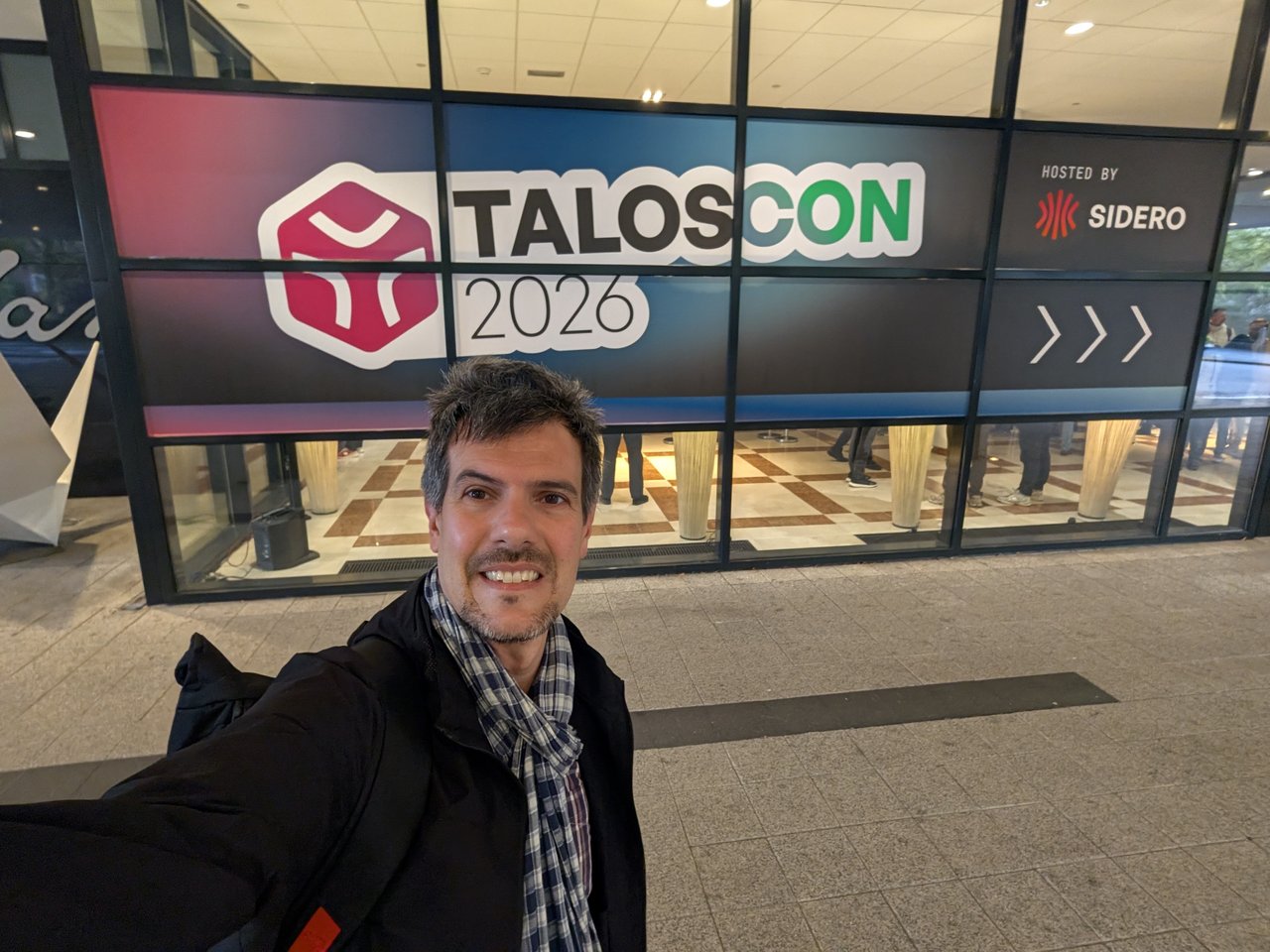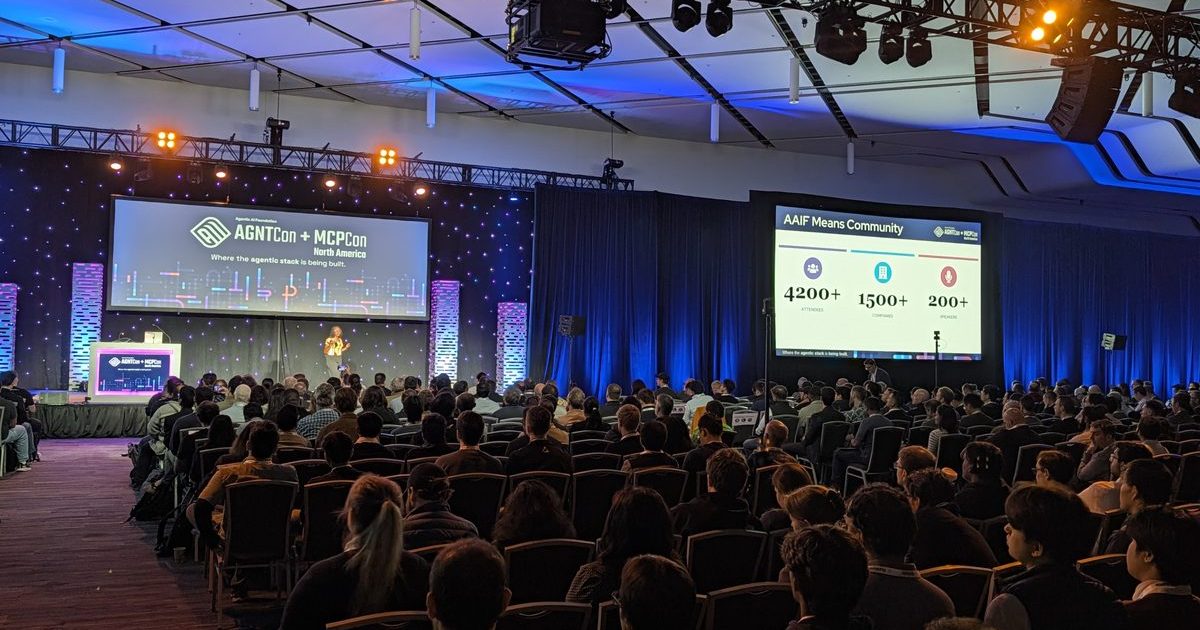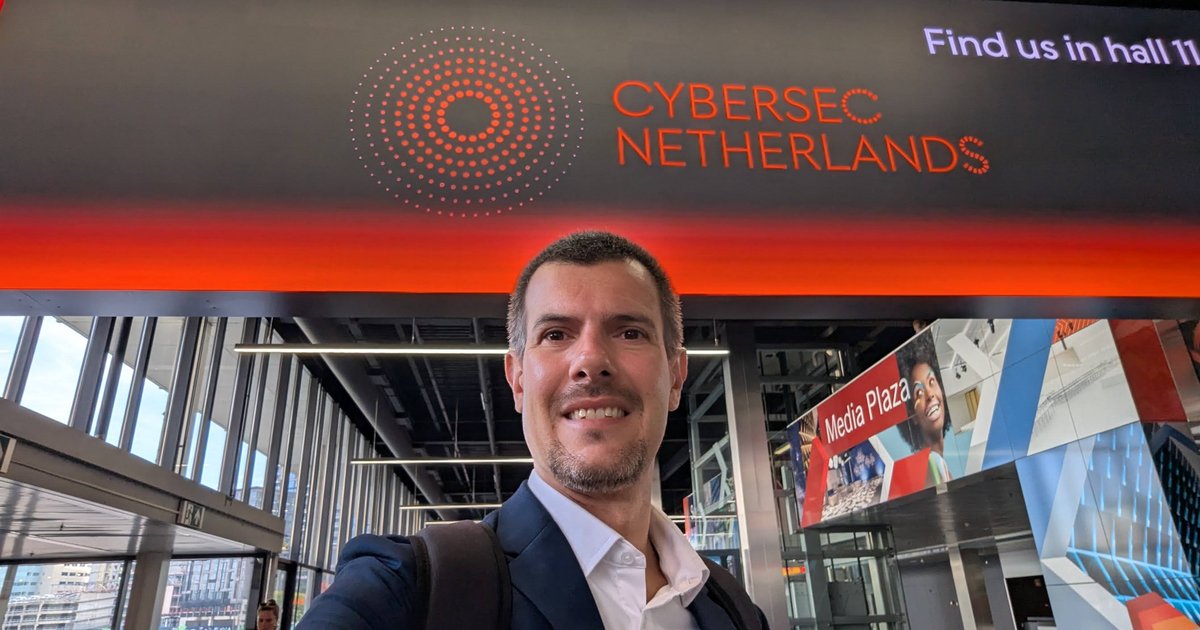
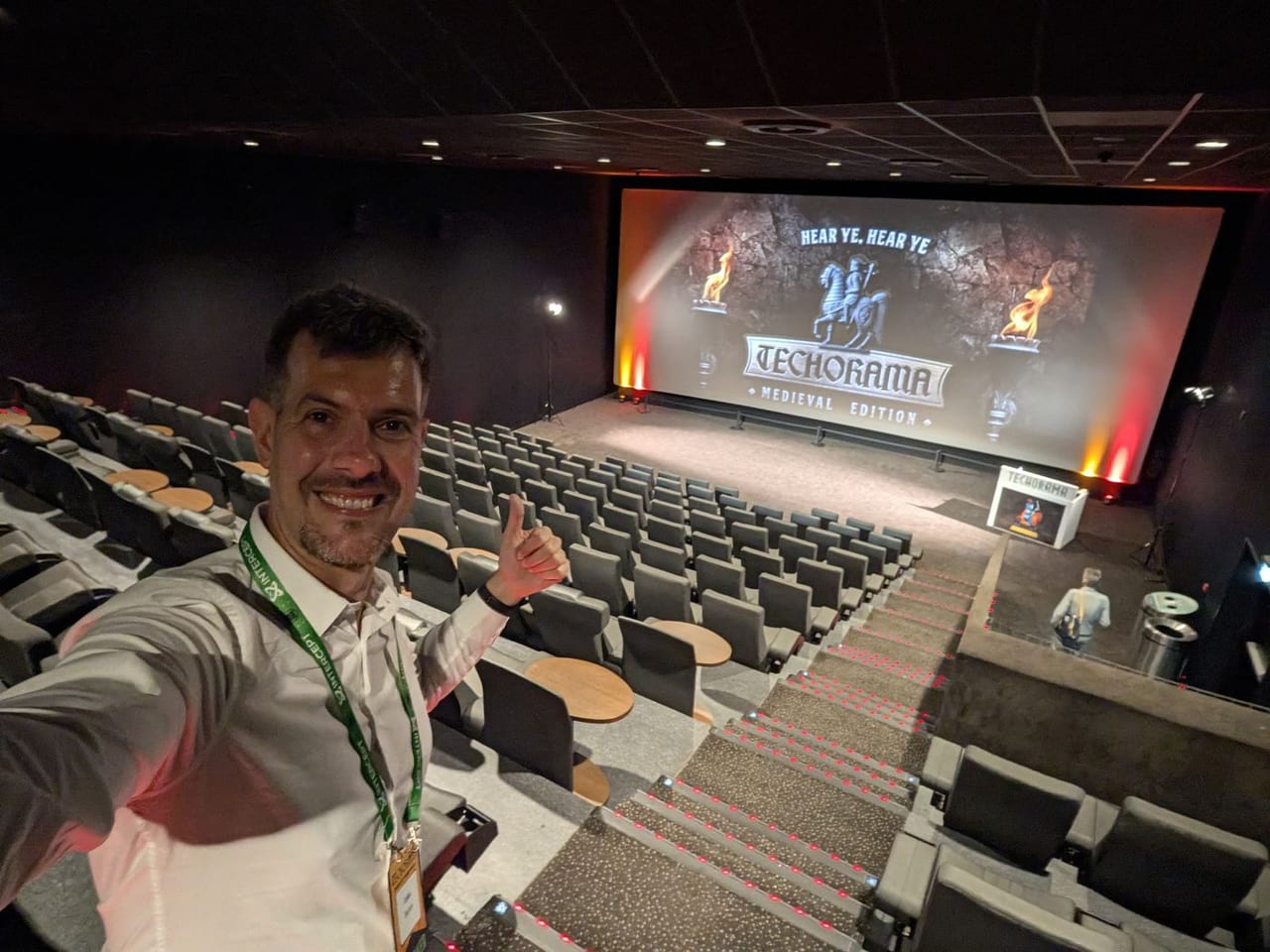
Four days after AGNTCon North America, I was in Utrecht for Techorama Netherlands 2026, at the Kinepolis Jaarbeurs Utrecht, as a speaker: my session, Your AI Agent Needs a Kill Switch: Engineering Agents for Production, was on Wednesday 28 October at 16:00 in Room 9. On Tuesday 27 October I recorded five conversations for Udienza: a speaker, two partners, an attendee and one of the conference’s own crew. This is what they told me.
The medieval edition
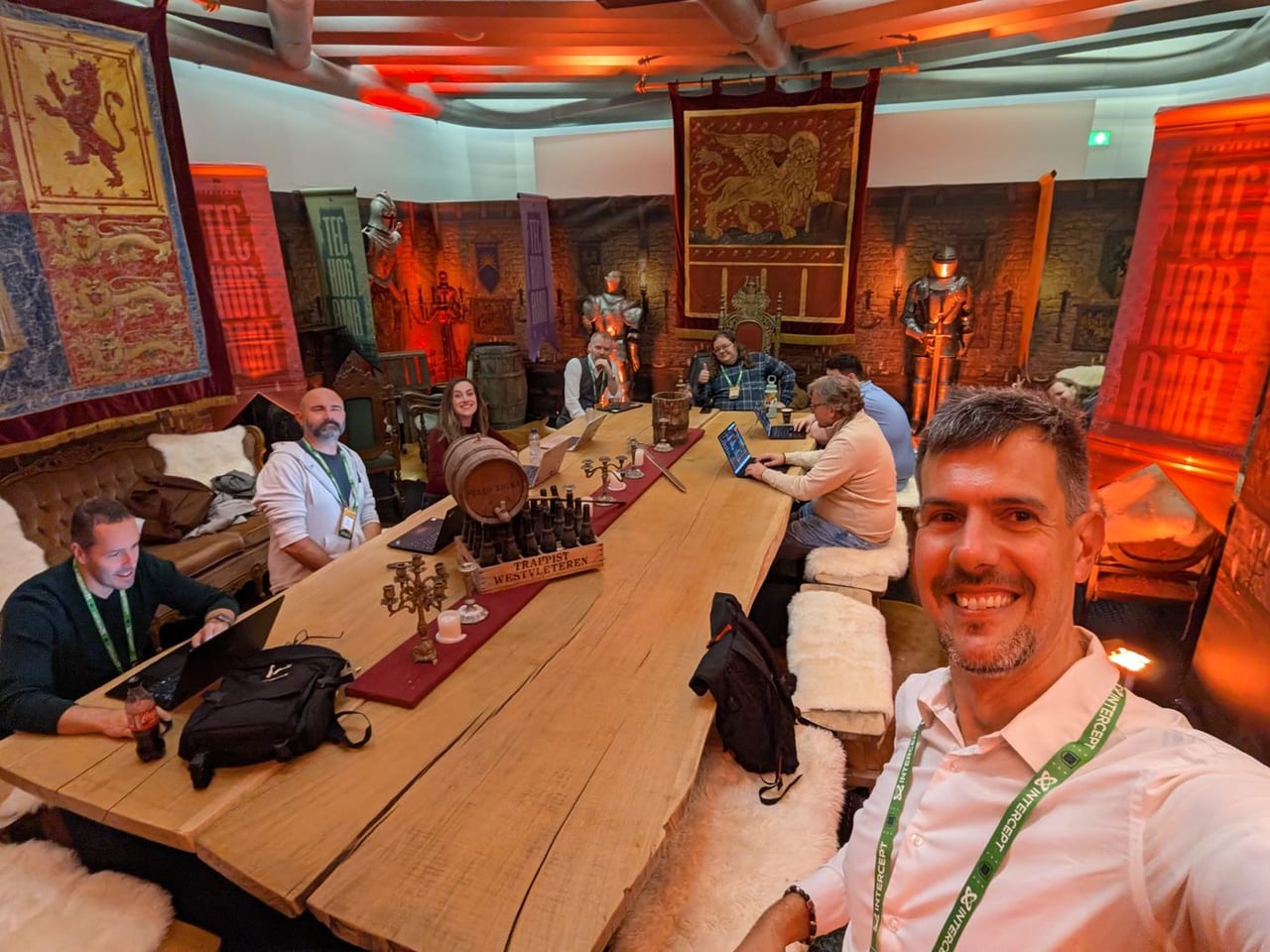
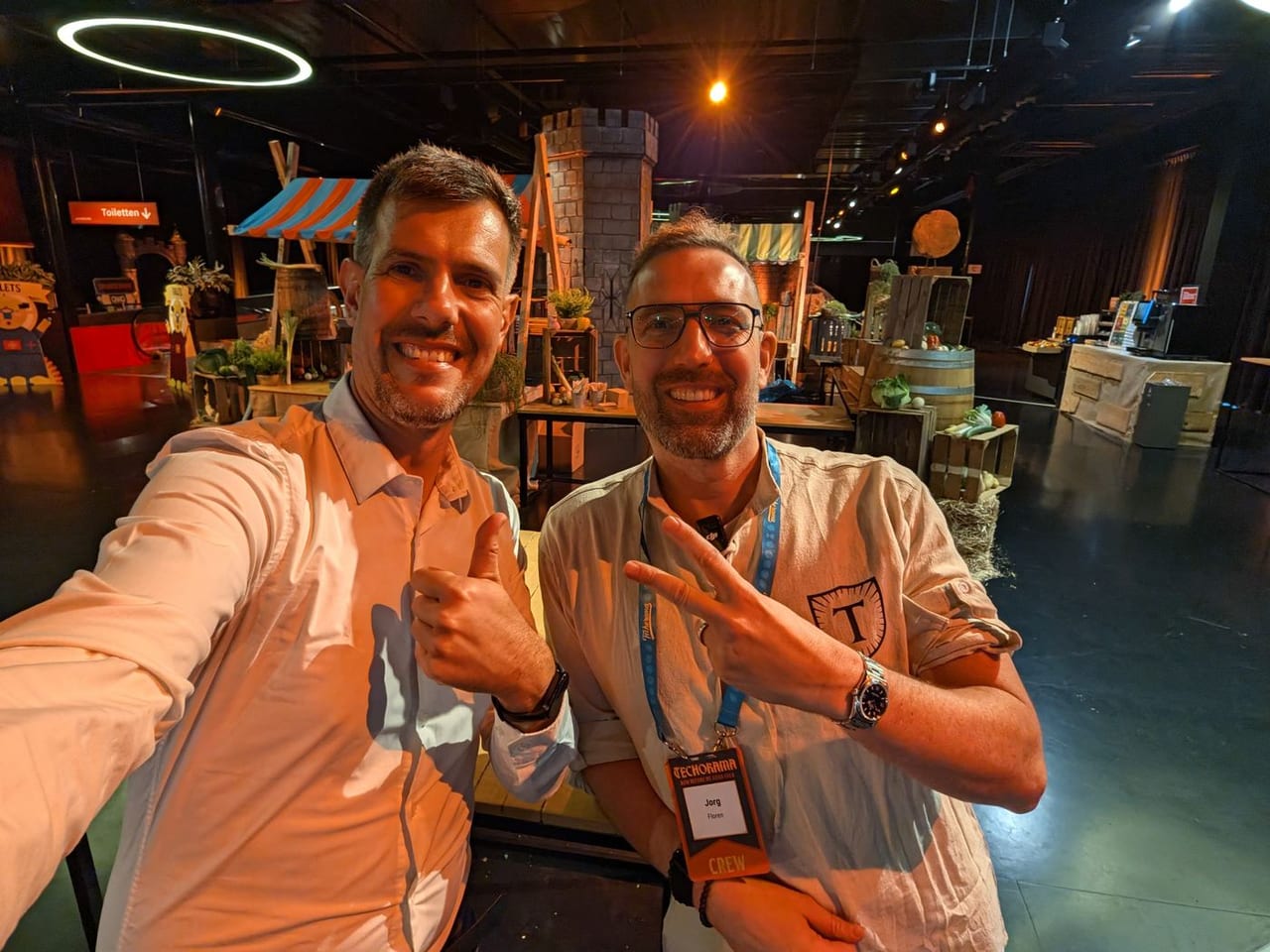
There are two Techoramas every year, Jorg Floren of Techorama told me: the Belgian one, usually in May, and the Dutch one in October. Each year picks a new theme, and “this year, we’ve themed ourselves in the Middle Ages”. Next year’s theme would be revealed on Wednesday.
Over its two days the Netherlands edition hosted about 1,300 people. They came from approximately 500 companies, and around 24 sponsors and partners were there, from software vendors like Elasticsearch and Particular Software to local consultancies that send their own people too. This year even the Ministry of Defense sent a delegation, recruiting IT people “to help keep the Netherlands safe from cybercrime”.
Belgium has had 12 editions. The Netherlands edition started after the fifth Belgian one, so it is five behind: “among the two, we’re currently at edition 19”.
On AI, Jorg said that “the future is obviously very AI-tinted”, and that people are sometimes too eager to use it for everything, while a lot of things are deterministic and better automated “like we did 20 years ago, 30 years ago”. In his words: “you can use AI whenever it’s actually useful”, and a lot of people are still looking for that balance.
Luise Freese: out of the proof-of-concept prison
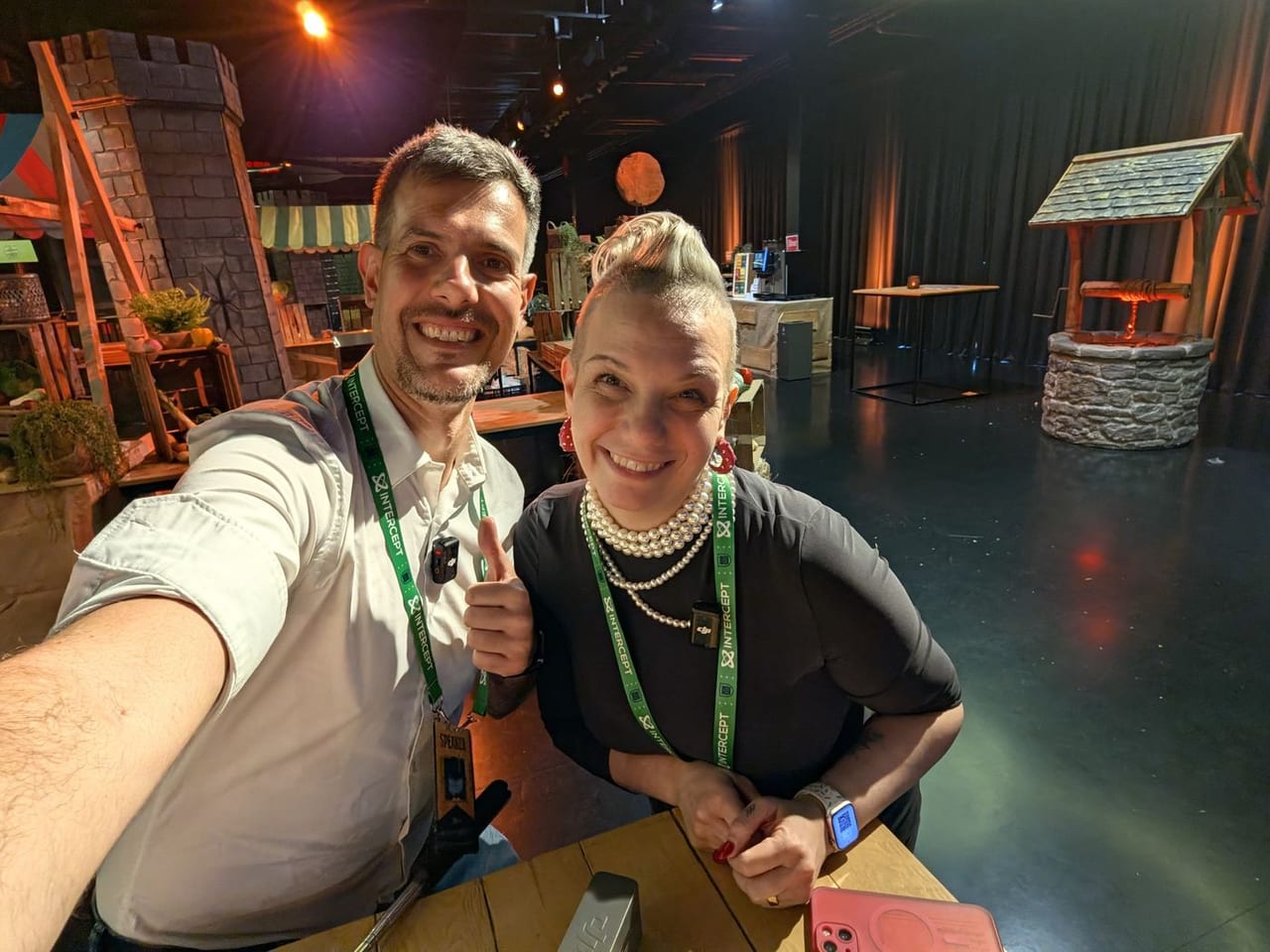
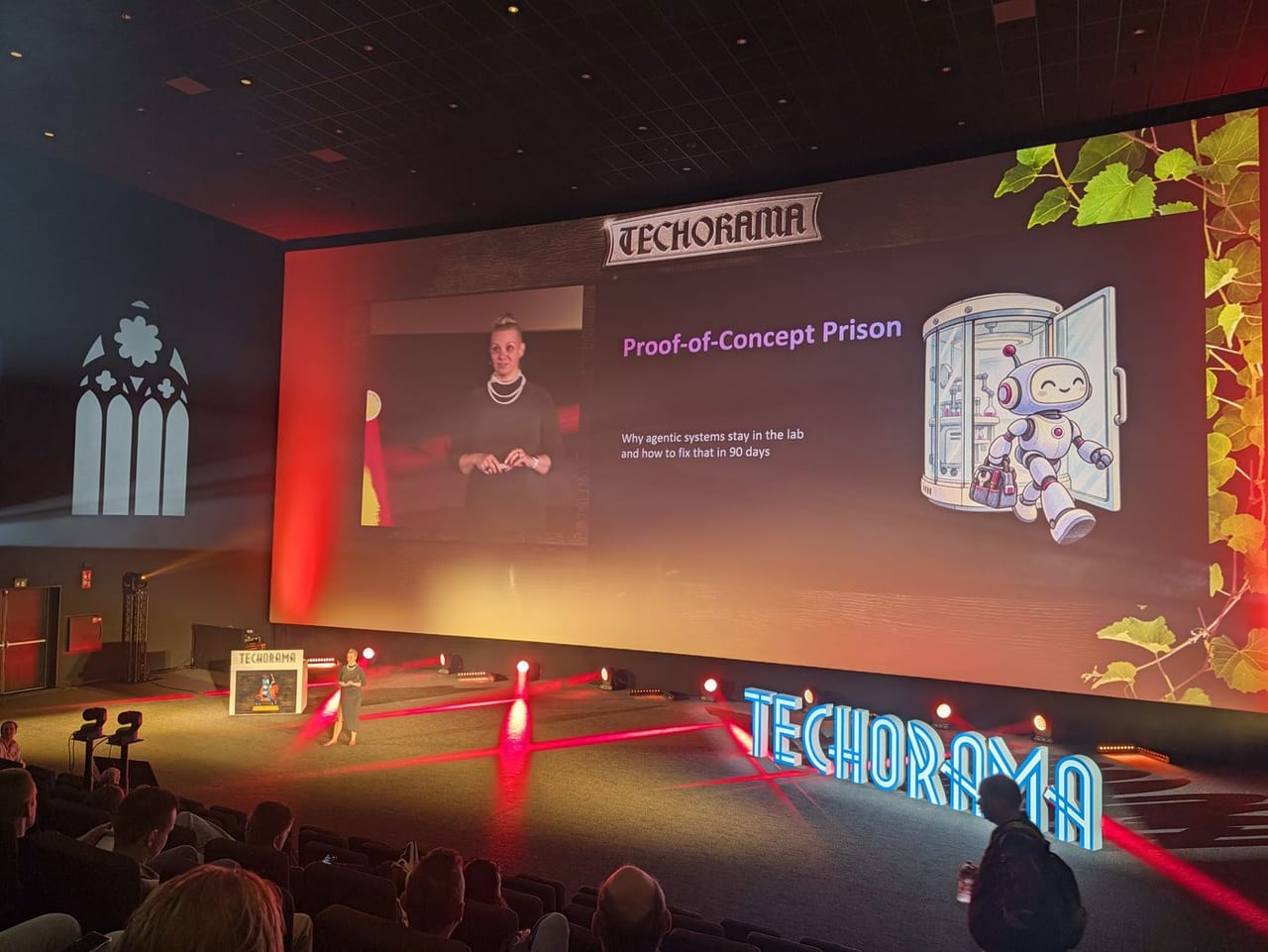
Luise Freese, software architect and Microsoft MVP, is based in Germany. Her book, released a few weeks earlier, is From Prototypes to Production, “a 90-day playbook for shipping enterprise AI”. It starts where many organisations are stuck: a lot of proofs of concept and prototypes, and “nothing ever runs in production”. Her framework works on three levels, technical, organisational and cultural, and it covers security with the upcoming regulations.
Her customers do use agentic AI, but “on the very mature end of the scale”: after they have maxed out rule-based automation and process automation, with data that is intact and processes that are clear. Her biggest challenge so far is not a technical one: “getting the dev people to talk to the people people”, and the other way round. Her customers, all over Europe, run from 2,000 seats to 130,000. Her next book is more political: “our relationship to power and AI under capitalism”. Her site is pocprison.com.
That afternoon she spoke on the topic of the book, in Room 12: POC Prison: Why agentic systems never escape the lab.
Stephan van Rooij, Smartersoft: school schedules in every calendar
Stephan van Rooij is a software architect at Smartersoft, and “in university, I accidentally started my own company”. It puts school schedules (math on Wednesday from 9 to 10, English from 10 to 11) into everybody’s own digital calendar. For a few years it has been his full-time job, and it now serves around 200 schools, with anywhere from 100 to 2,000 teachers each. Schools sign up through Roostersync.nl, Dutch for schedule sync.
It is built on message queues and events: the changes to a schedule come in, the queuing system picks them up into separate queues, each processed on its own, and when the messages go up “it automatically scales more Docker containers and it goes back to zero when it’s done”. It runs on Azure Functions and Service Bus.
His other subject is security, which “is more important than ever”. He wants other developers to test their role-based access control too, and to have a test that stops an application going live with endpoints that skip authentication; in his words, “that is how they made me a Microsoft MVP in security”. He expects to speak at more conferences, “with AI figuring out leaks you didn’t even know existed”.
Max Katz, Avalonia UI: one UI, one code base
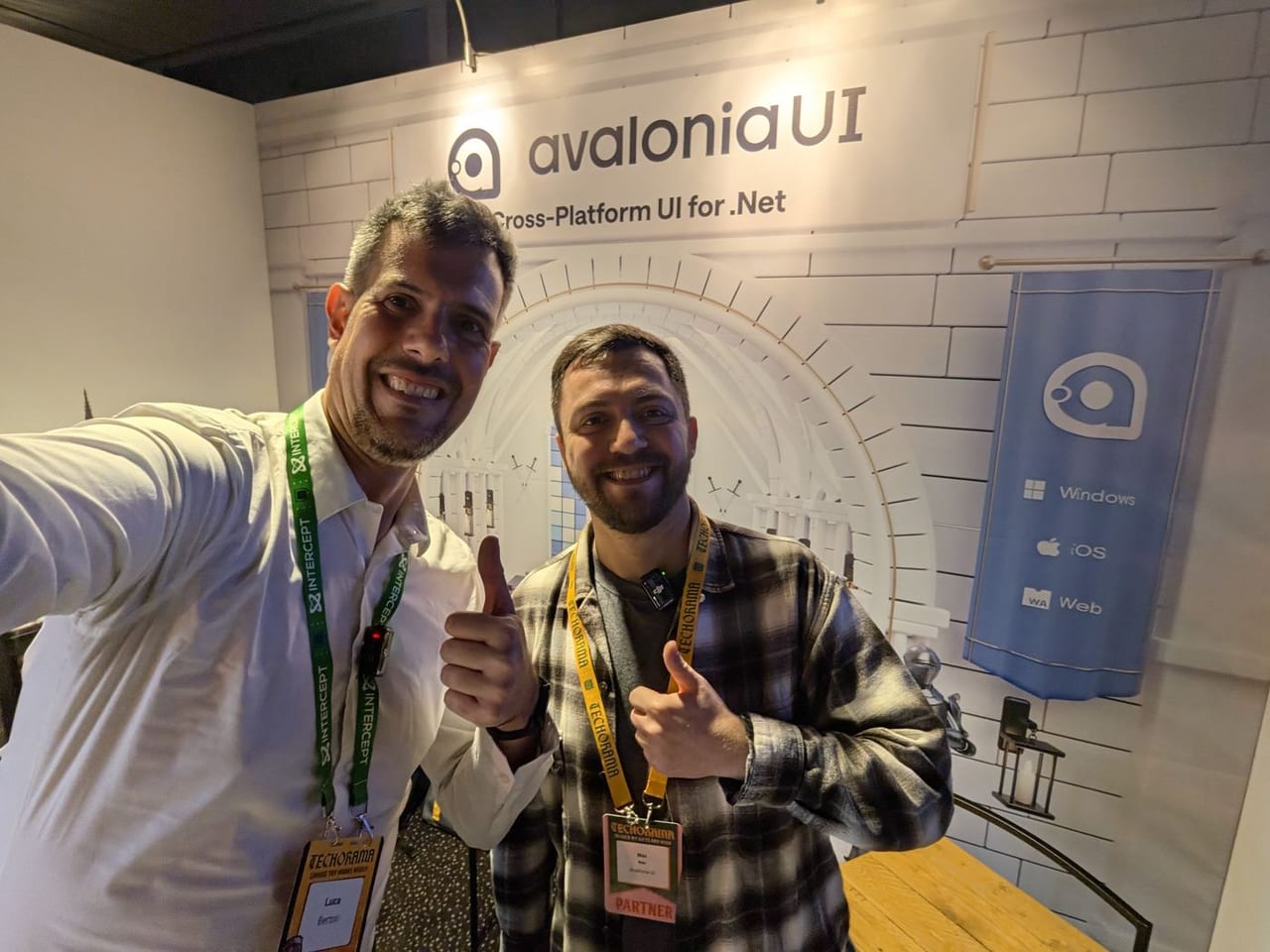
Avalonia UI is an open-source framework for desktop and mobile apps in .NET, with one pixel-perfect UI: write it on Windows, and Linux and macOS work and look the same, or take their own styles if you prefer, with each platform’s own features still in a single codebase. Max Katz, a software developer there, sees an AI angle as well: with one codebase, “it’s also way easier to have an agent” work on it, improve it and run its tests once, unit or end-to-end UI.
Getting started is the usual .NET way: the Avalonia templates from NuGet, then dotnet run. On the roadmap are more tooling, better IDE integration, integrations with agents and new controls. The framework itself is free and open source; what Avalonia sells is extra controls for advanced cases, like a PDF viewer or rich text editing, alongside a huge third-party ecosystem. Its focus is complex desktop UIs for business; on mobile the UIs are usually simpler. The docs are at docs.avaloniaui.net.
Xander Van Buggenhout, Aikido Security: toward self-securing software
Aikido Security is “a Belgian cyber security player growing quite rapidly”. It began in application security, scanning code with deterministic checks and a lot of AI to triage and filter out false positives. Then it moved right, to the cloud, containers and VMs, following “the code from where it’s written to where it’s hosted”, and on to runtime, with AI pentesting: “an army of LLM agents can try to hack your application”, with access to the code base, and then validate and exploit what they find.
I asked Xander whether it beats Mythos. His answer was the harness: different models underneath depending on the action it takes, and “the harness around it is really what makes it strong”.
The newest product is device protection. Supply chain attacks now go for developers’ own machines and the secrets on them, through npm and PyPI and now VS Code extensions and AI skills, so device protection runs on the developer’s endpoint, looks at the network traffic and blocks packages and extensions before they are installed. There is a free-forever version for hobby projects at app.aikido.dev.
Where Aikido is going: “we really want to create self-securing software”. Autofix already proposes a fix you can open a pull request from; the next step, auto-ship, ships the fix itself, after a smoke test and a check that it doesn’t break the build.
Five conversations
Each interview becomes its own Udienza episode over the coming weeks:
- Luise Freese, From AI Prototype to Production
- Max Katz, Avalonia UI
- Stephan van Rooij, Smartersoft
- Xander Van Buggenhout, Aikido Security (coming)
- Jorg Floren, Techorama (coming)
Tuesday ended at the speaker dinner in the Geertekerk; on Wednesday it was my turn, in Room 9.