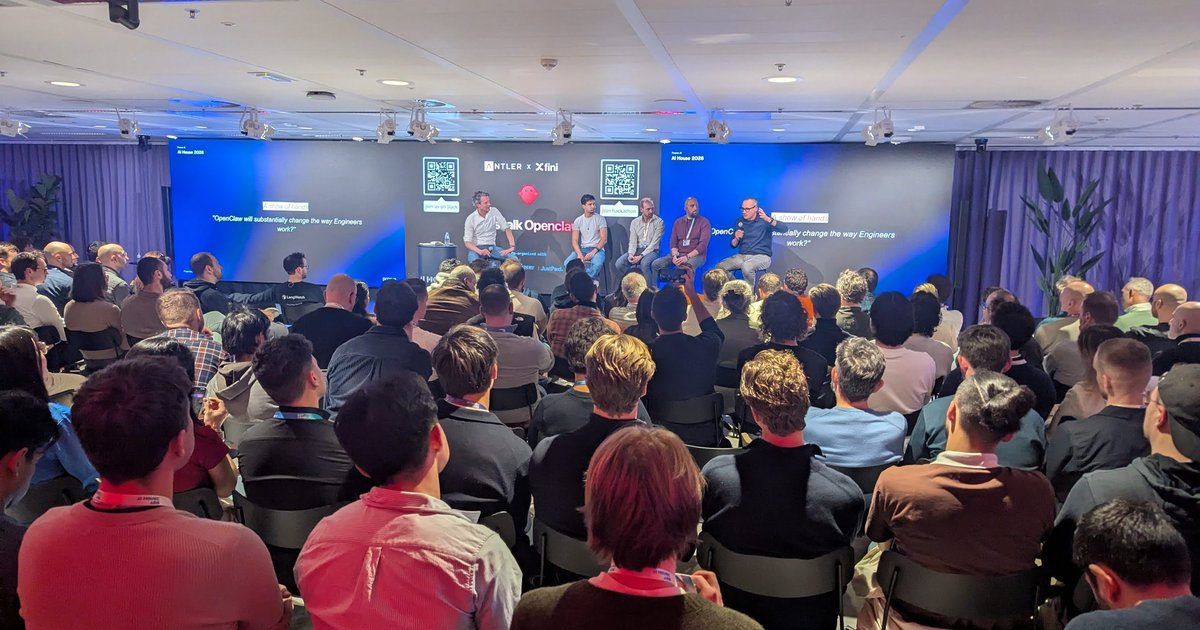
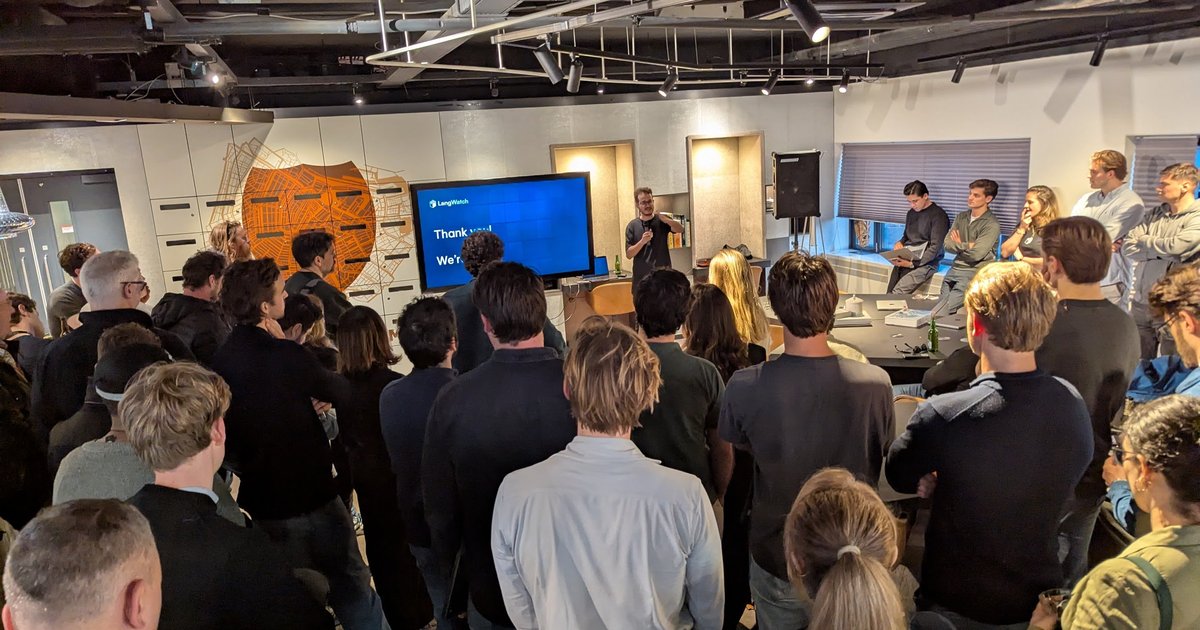
I spent a full day at the OpenClaw Hackathon at AI House Amsterdam — a well-organized event that brought together builders, infrastructure providers, and real product energy in one room.

What I liked about the format was the balance: short company pitches, clear hackathon tracks, enough time for actual building, and a strong focus at the end on storytelling, demo prep, and execution under pressure.
The Agenda
The day was structured to compress the full innovation cycle into a single session:
- 09:00 — Doors open
- 09:20 — Welcome remarks
- 09:30 — Company pitches and demos (Picnic, Kilo Code, Azin, Orq.ai, Google)
- 09:55 — Hackathon tracks overview and team formation
- 10:30 — Hacking Part 1
- 13:00 — Lunch break (check-in and pivot time)
- 13:45 — Hacking Part 2 (final push: narrative and demo video prep)
- 16:50 — Pitch and demo session (top 10 announced: 3 min video + 2 min Q&A each)
- 18:10 — Winner announcement and awards
- 18:40 — Drinks and networking
Company Pitches
The morning kicked off with pitches and demos from companies providing the building blocks for hackathon teams:
- Picnic Technologies — Europe’s online grocery delivery platform, bringing real-world logistics challenges
- Kilo Code — Developer tooling for AI-powered coding
- Azin — AI infrastructure and tooling
- Orq.ai — LLM orchestration platform for production applications
- Google — Cloud and AI platform capabilities
Each pitch was short and practical — here is our API, here is the problem space, here is what you can build with it.

The Ecosystem
The hackathon was backed by a strong supporting cast:
- Prosus and AI House Amsterdam — venue and primary hosts
- OpenAI — model access and developer support
- ElevenLabs — voice AI capabilities
- Qdrant — vector search and retrieval
- LangWatch — LLM observability and monitoring
- Antler — early-stage venture capital
- The Foundry — startup support
This combination gave teams access to the full stack: models (OpenAI), voice (ElevenLabs), search (Qdrant), orchestration (Orq.ai), monitoring (LangWatch), and a path to funding (Antler).
What Made It Work
The best hackathons are not just about prototypes. They compress the full innovation cycle into a single day:
- Problem framing — the company pitches defined real problem spaces, not abstract challenges
- Collaboration — team formation after pitches meant people self-selected into complementary skill groups
- Technical execution — 6+ hours of actual building time, with a structured lunch break for pivots
- Narrative building — the afternoon shift from coding to demo prep forced teams to think about storytelling
- Go-to-demo discipline — 3-minute video pitches with 2-minute Q&A is enough to show substance without allowing hand-waving
That combination is what turns experimentation into momentum. Teams did not just build prototypes — they built presentable products with a clear narrative.
Why Hackathons Matter for AI Adoption
For enterprise technology leaders, hackathons like this serve as a signal:
- Tooling maturity — when teams can build functional AI applications in 6 hours, the tooling has reached a new level of accessibility
- Talent density — Amsterdam’s AI community showed up in force, a sign of the ecosystem’s depth
- Integration patterns — watching teams combine OpenAI + Qdrant + ElevenLabs + LangWatch in hours reveals the emerging standard stack for AI applications
- From prototype to product — the emphasis on demo prep and narrative reflects the industry’s shift from “can we build it?” to “can we ship it?”

About AI House Amsterdam
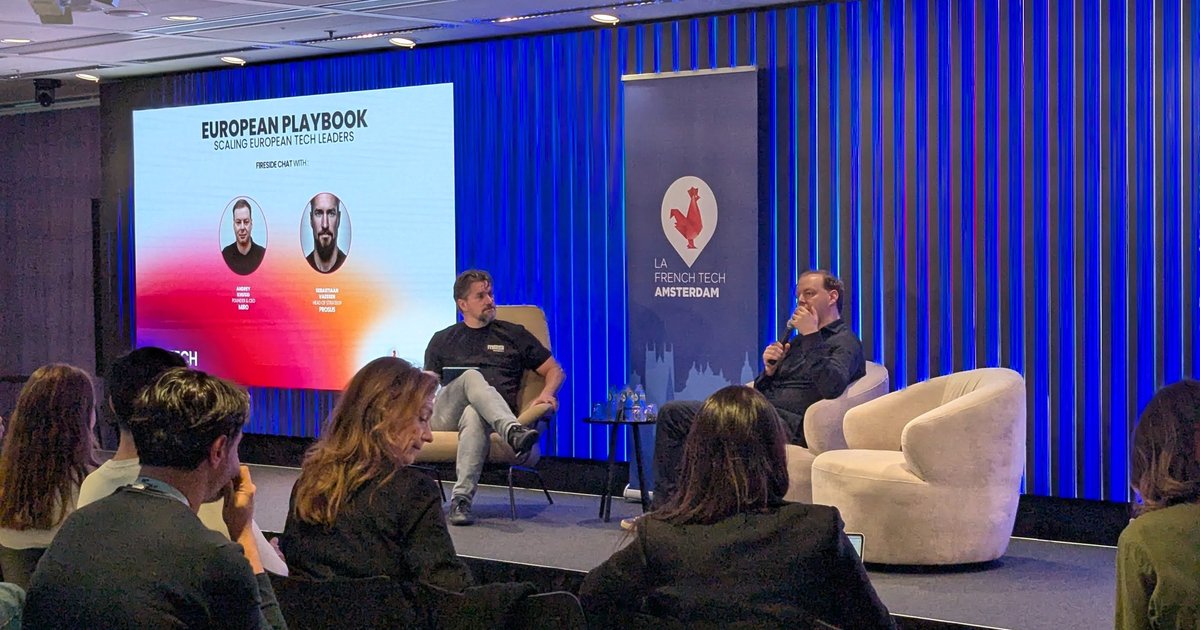
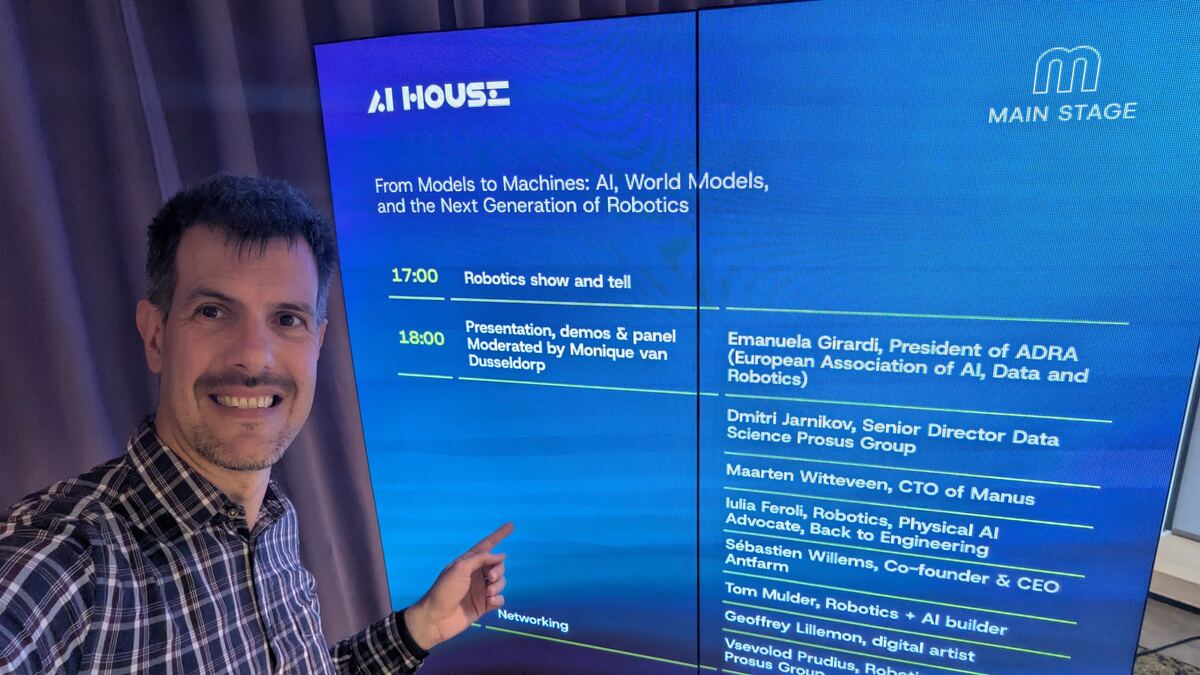
AI House Amsterdam at Gustav Mahlerplein 5 (powered by Prosus) continues to be the hub for Amsterdam’s AI community. Between the Models to Machines robotics event, the European Playbook scaling discussion, and this hackathon, the venue hosted three distinct high-quality events in a single week.
Related Posts
- AI House Amsterdam: From Models to Machines
- European Playbook: Scaling Tech Leaders
- KubeCon Europe 2026 Side Events Guide
- OpenClaw on Kubernetes
About the Author
I am Luca Berton, AI and Cloud Advisor. I help enterprises move from AI prototypes to production systems. Book a consultation.