Open Source Summit Europe 2026 took place on 7–9 October at the Prague Congress Centre, together with the Embedded Linux Conference and next to the Linux Plumbers Conference. I attended as a media partner for my ten-minute interview show Udienza, with Marcin Czupryniak behind the camera.
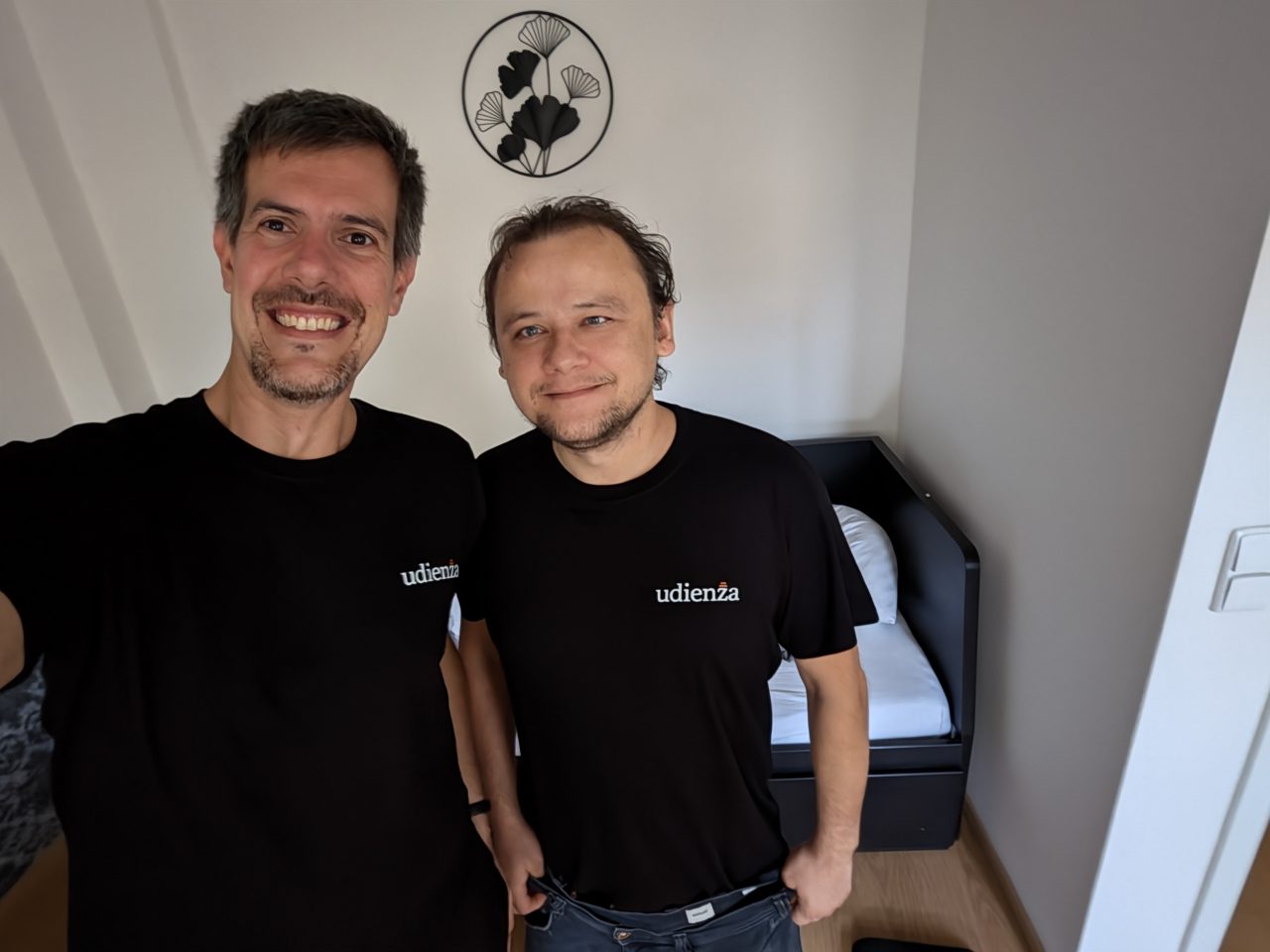
One week produced more material than one recap can hold, so I split it by theme. This page is the map. Start with the event recap for the overview, then pick the theme you care about.
Europe, sovereignty and the state of open source
The opening keynotes set the tone: Europe writes a large share of the world’s open source but has a much smaller share of the governance seats and funding.
- State of Open Source in Europe 2026: Numbers from Prague. The Linux Foundation Research report as presented on stage: AI coding, the 59% vs 37% code-versus-governance gap, and Europe’s share of Linux, Kubernetes and Zephyr.
- 94% of European Organisations Use or Pilot AI Coding Tools. What the headline AI adoption number means for engineering teams and maintainers.
- Digital Sovereignty Is an Open Source Governance Problem. Why sovereignty depends on governance, upstream contribution and fewer private forks.
- Open Source at a Crossroads: Sovereignty in Prague. Nithya Ruff and Johan Linåker on geopolitics and public stewardship, plus the “Who Owns the Stack?” press panel.
- OpenGrid: Open Source for the Power Grid Bottleneck. The Linux Foundation’s new project for grid planning, launched in Prague.
- Sovereign AI Models: Teuken, Apertus and OpenEuroLLM. The national and regional open models named in the sovereignty keynote, and how to choose.
Security in the age of AI-speed exploits
- AI-Speed Exploits: Open Secure AI Alliance and OSERA. A 42-advisory spike in OpenStack, the SAFE incident exchange, and six banks mutualising patches.
- FINOS OSERA at Prague 2026: Patch Once, Verify Everywhere. A closer look at OSERA’s open Remediation Standards: provenance, VEX and compatibility.
AI agents, trust and isolation
- Trusted AI Agents in Prague: Cedar, Dogwood and Strands. Laura Tacho’s AWS keynote: the trust gap, identity, policy, limits and audit, and history-aware policy with Dogwood.
- Isolating AI Agents: Edera, Coder and OpenBao. Hypervisor isolation, cloud workspaces for coding agents, and per-tenant secrets.
- Docsy Moves to the Linux Foundation: Docs for AI Agents. Erin McKean’s keynote,
llms.txt, Markdown next to HTML, and measuring agent-friendly docs.
Linux, operating systems and embedded
- Kernel Maintainers in Prague: Greg KH and Arnaldo Melo. Kernel sustainability, 20 years of pahole and BTF, and b4.
- The OS Layer in the AI Era: openKylin, openEuler, Flatcar. KV-cache tiering in the OS, AI-native desktops, and immutable Kubernetes hosts.
- Embedded Linux in Prague: TI, Igalia WPE and RISC-V. FPGA test fabrics, the new WPEPlatform API, RISC-V and chip data for AI.
Foundations and neutral governance
- Neutral Governance: CNCF, OpenSearch and AlmaLinux. How foundations stay neutral when their sponsors have their own plans.
- CNCF’s Bob Killen and Daniel Krook on Agents and Kubernetes. The full Udienza interview: 230 CNCF projects, why agents need sub-200 ms startup, and advice for newcomers.
People and the hallway track
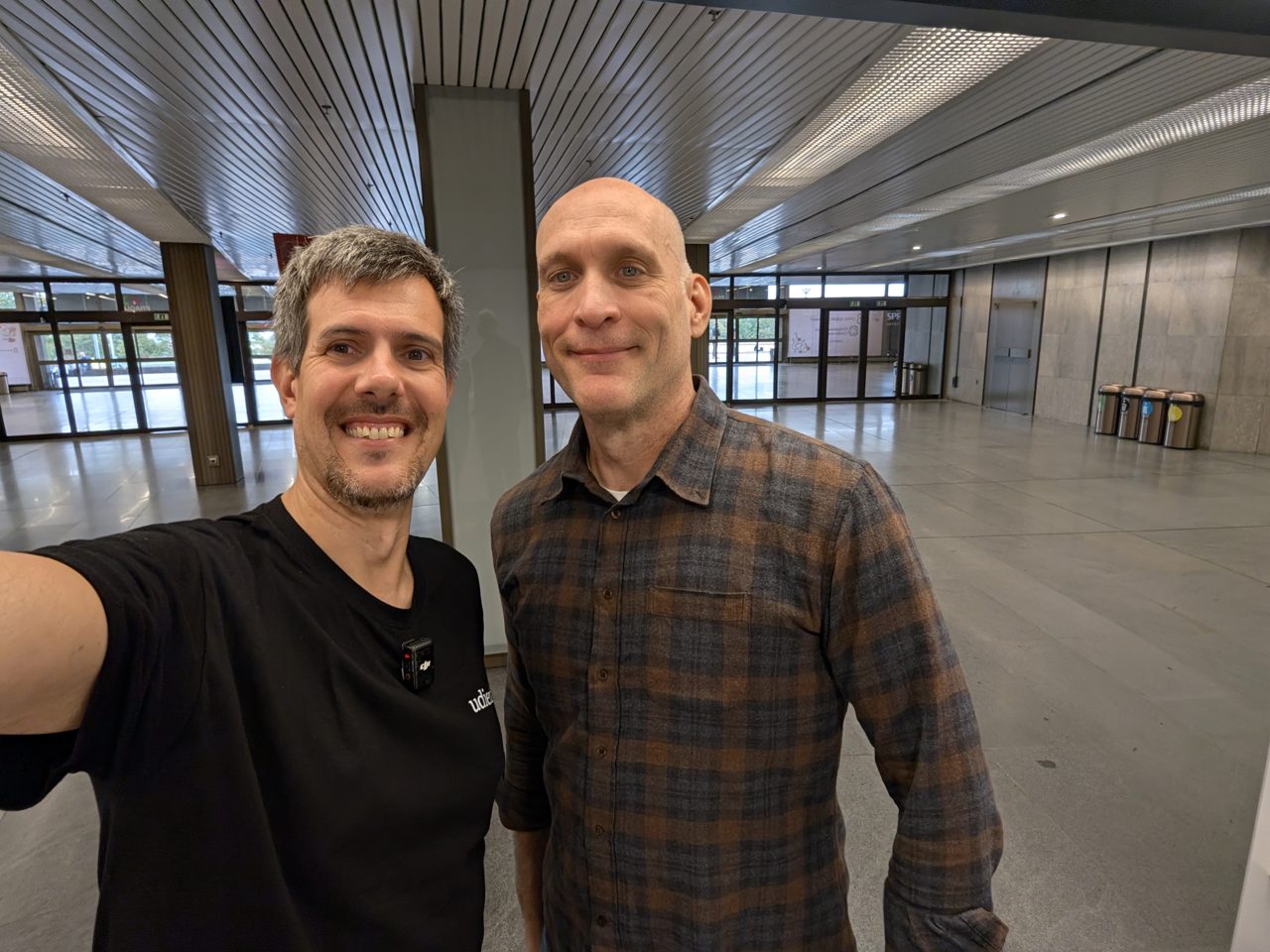
- People I Met at Open Source Summit Europe 2026. Day by day, from the kernel hallway to the Žofín Palace reception.
- 35 Years of Linux at Žofín Palace, Prague. Tux on stage, a casino night and Linus Torvalds in conversation with Dirk Hohndel.
- How I Booked 20 Interviews at Open Source Summit Europe. The media partner playbook behind Udienza.
- Prague Congress Centre: A Conference Attendee’s Guide. Getting there, badges, floors and timing, for your next event in the building.
Five takeaways from the week
- Participation beats consumption. The report’s own conclusion: participation in openly governed open source is what creates sovereignty and return on investment.
- The security bottleneck has moved. AI finds vulnerabilities at machine speed. Absorbing the fixes, with evidence, is now the hard part.
- Agents need standard controls. Identity, policy, limits and audit should be shared building blocks, not reinvented in every framework.
- The OS is back in the conversation. From KV-cache tiering to immutable nodes, the operating system decides cost and security for AI workloads.
- Linux at 35 is a people story. The kernel, the foundations and the hallway track all run on maintainers’ time. Protect it.
The Udienza episodes recorded in Prague will be published at udienza.com. For earlier event coverage in the same format, see my KubeCon Europe 2026 hallway interviews and People I Met at AGNTCon + MCPCon Europe 2026.