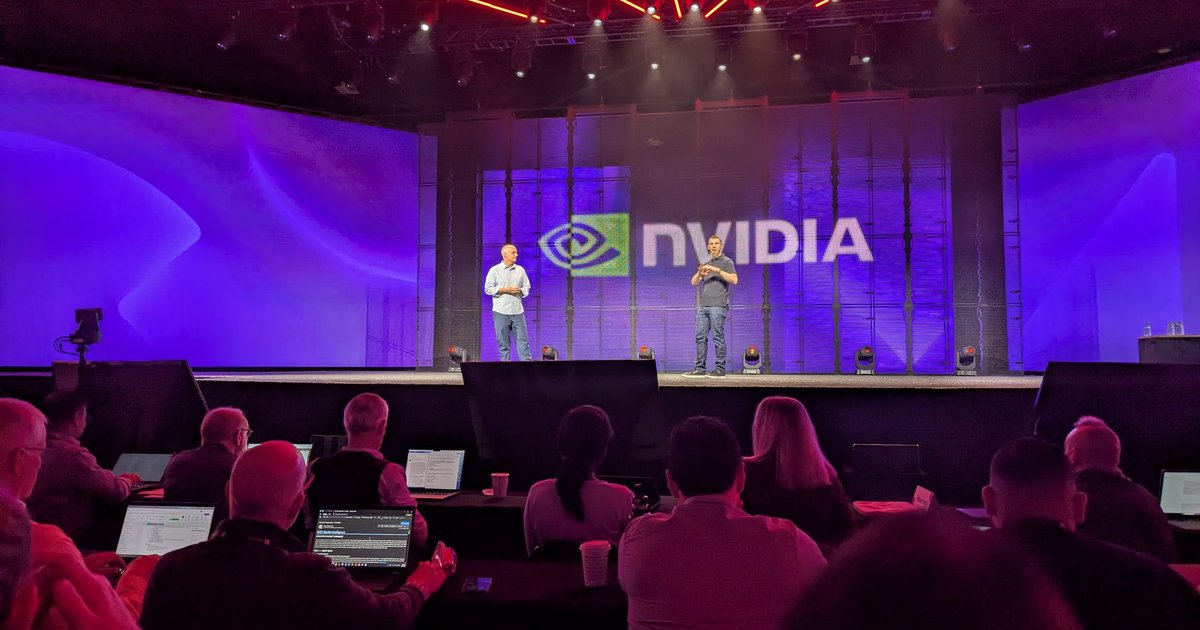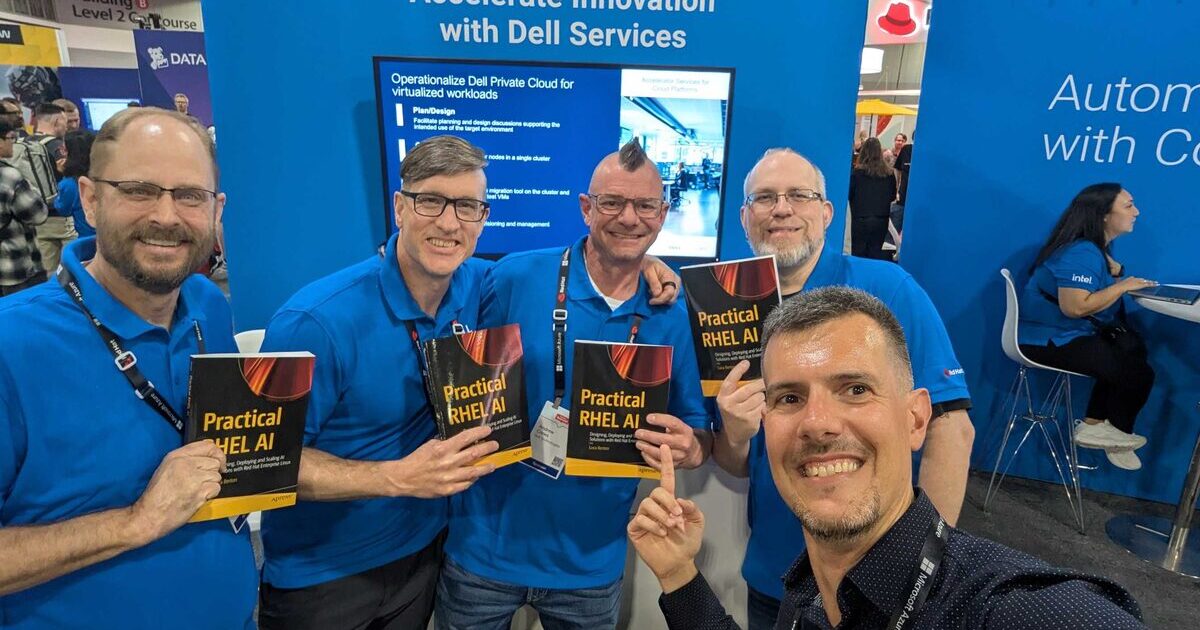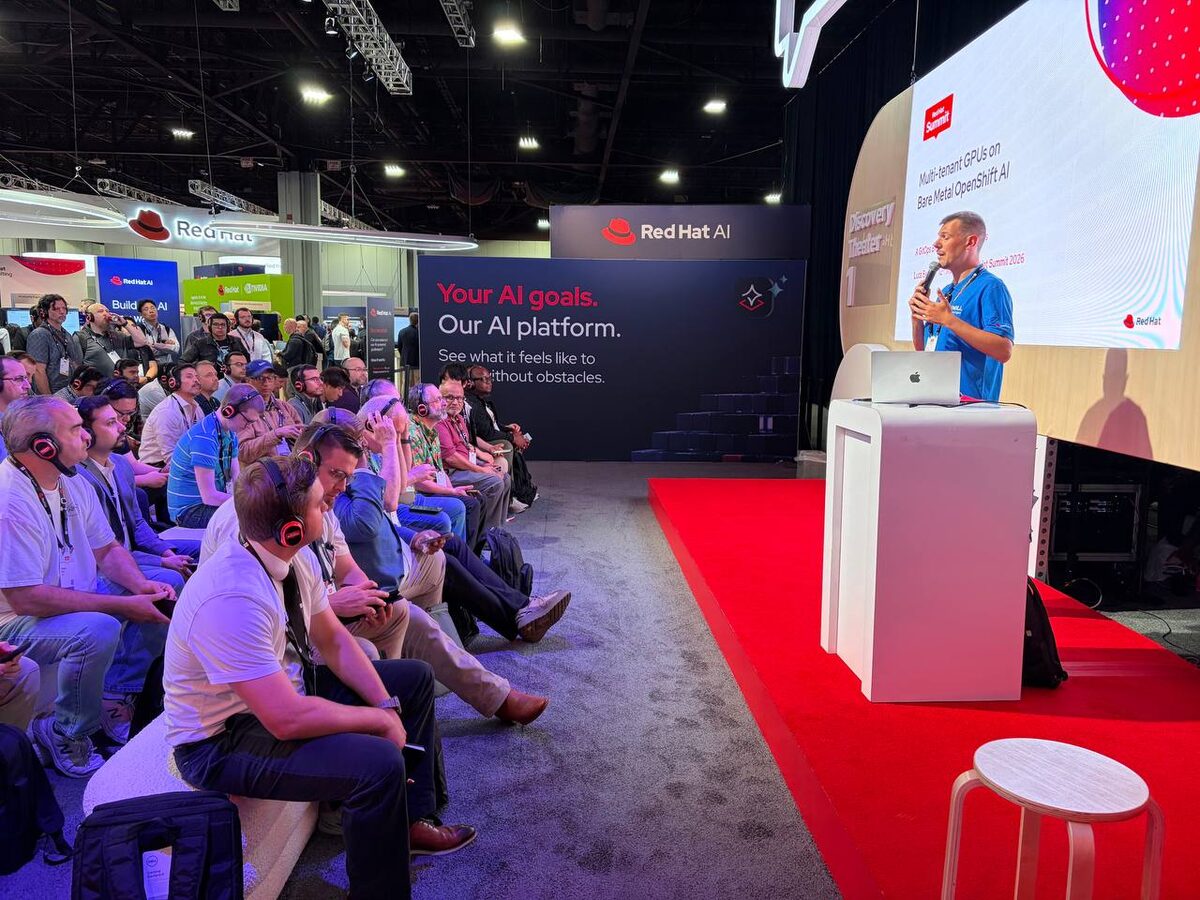
One of the highlights of my Red Hat Summit 2026 experience in Atlanta was meeting Chris Wright, the CTO of Red Hat and Senior Vice President of Global Engineering.
Who Is Chris Wright
Chris Wright is one of the most influential figures in enterprise open source. As Red Hat’s CTO, he oversees the technical strategy and engineering direction for the company that essentially defines how open source becomes enterprise-grade software.
Before becoming CTO, Chris spent years in the Linux kernel community and has deep roots in systems programming, virtualization, and cloud infrastructure. He was instrumental in Red Hat’s OpenShift strategy, the containerization push, and more recently, the company’s aggressive move into AI with open source.
His career milestones include:
- Linux kernel contributor — long-standing involvement in kernel networking and virtualization subsystems
- VP of Engineering at Red Hat before the CTO role
- Led the OpenShift transformation — turning Kubernetes into an enterprise platform
- Architect of Red Hat’s AI strategy — InstructLab, Granite models, RHEL AI, Red Hat AI Enterprise
- IBM acquisition integration — navigating Red Hat’s independence within IBM’s structure while maintaining engineering culture
The Conversation
Meeting Chris at Summit was a chance to discuss the themes dominating this year’s event:
Open Source AI Is Not Optional
Chris has been vocal about why AI must be open source. His argument: enterprises cannot build their AI strategies on black-box models they do not control. The InstructLab project and Granite model family are Red Hat’s answer — open-weight models with transparent training data and community-driven fine-tuning.
This resonates deeply with my consulting work. Every enterprise client I work with has the same concern: “How do we adopt AI without losing control of our data and our destiny?” Red Hat’s approach — open models, open inference (vLLM), open orchestration (OpenShift AI) — is the most credible answer I have seen.
The Platform Engineering Connection
What struck me in our conversation was how naturally Red Hat connects platform engineering with AI infrastructure. The same team that manages your Kubernetes clusters should manage your AI serving infrastructure. The same GitOps workflows that deploy your microservices should deploy your model endpoints.
This is exactly the thesis behind my AI integration consulting — AI is not a separate silo; it is another workload on your platform.
Enterprise Linux in the AI Era
RHEL remains the foundation. With RHEL AI shipping InstructLab and Granite directly on the OS, and bootc enabling immutable, container-native OS updates, Red Hat is positioning Linux itself as the AI deployment target — not just the host OS, but the actual delivery mechanism.
Why This Matters
Chris Wright represents the kind of technical leadership that makes open source work at enterprise scale. He is not just a figurehead — he is an engineer who understands the stack from kernel to Kubernetes to AI inference. Meeting him reinforced my conviction that the open source AI path is the right one for enterprises building long-term, sustainable AI capabilities.
Red Hat Summit 2026 was packed with announcements — from llm-d KV-cache routing to NVIDIA confidential computing partnerships to sovereign AI with MetaX — but the people conversations are what make these events truly valuable.
Thank you, Chris, for taking the time.