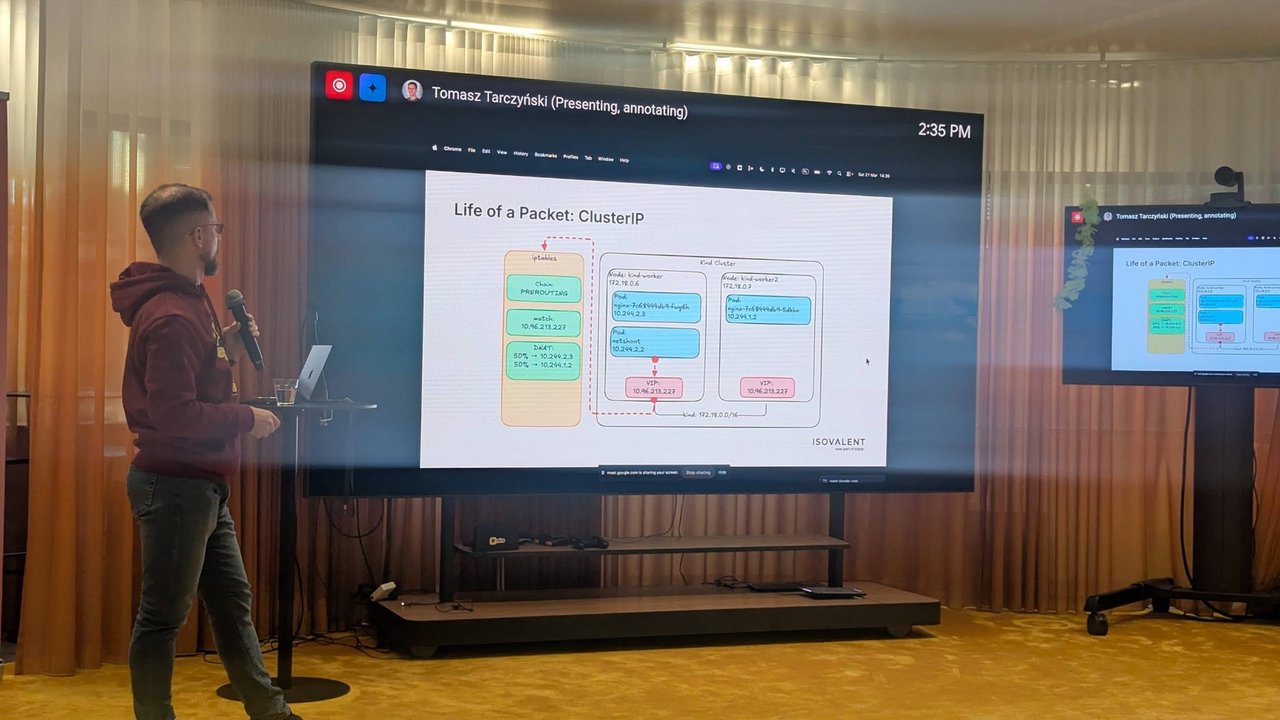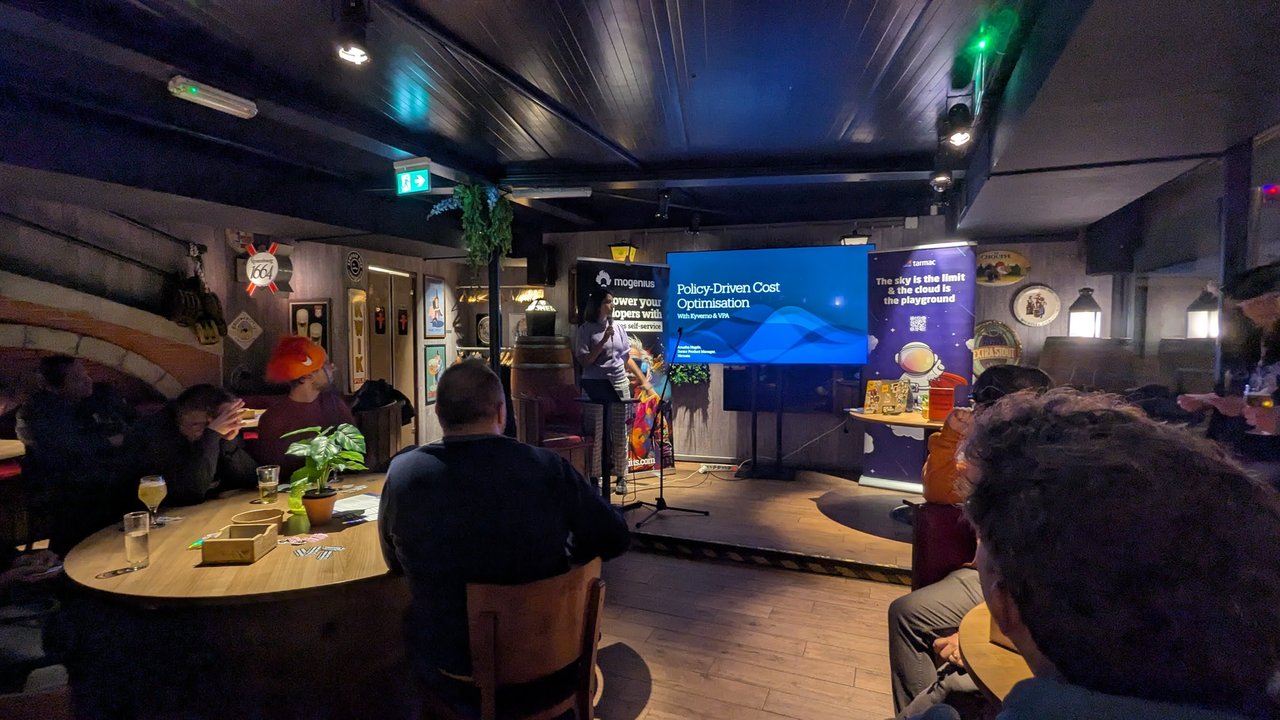
At the CNCF Press Conference during KubeCon Europe 2026, Jim Bugwadia — Kyverno co-creator and CEO of Nirmata — announced that Kyverno has reached CNCF Graduation. This is the highest maturity level in the CNCF project lifecycle, joining the ranks of Kubernetes, Prometheus, and Envoy.
For platform engineering teams managing AI workloads, this graduation signals that policy-driven governance is no longer optional — it is table stakes.
What Kyverno Does
Kyverno is a Kubernetes-native policy engine that validates, mutates, and generates Kubernetes resources based on declarative policies. Unlike Open Policy Agent (OPA), Kyverno policies are written in YAML — the same language as Kubernetes manifests — making them accessible to platform engineers without learning a separate policy language.
apiVersion: kyverno.io/v1
kind: ClusterPolicy
metadata:
  name: require-gpu-limits
spec:
  rules:
    - name: check-gpu-limits
      match:
        any:
          - resources:
              kinds:
                - Pod
      validate:
        message: "GPU workloads must specify resource limits"
        pattern:
          spec:
            containers:
              - resources:
                  limits:
                    nvidia.com/gpu: "?*"
Why Graduation Matters
CNCF Graduation requires:
- Proven production adoption at scale
- Security audit completion
- Diverse contributor base (not dependent on a single company)
- Governance maturity with clear decision-making processes
Kyverno’s production adoption speaks for itself. The press conference highlighted three enterprise references:
- Deutsche Telekom — Using Kyverno for multi-cluster governance across their cloud native platform
- LinkedIn — Enforcing security and compliance policies across their Kubernetes fleet
- Spotify — Platform engineering guardrails for developer self-service
The AI Governance Angle
Bugwadia emphasized Kyverno’s role as an essential guardrail for AI governance at scale. This is where the project’s trajectory gets interesting for AI platform teams.
AI workloads on Kubernetes introduce governance challenges that traditional workloads do not:
GPU Resource Governance
- Enforce GPU resource limits and requests on all AI pods
- Prevent GPU hoarding by setting maximum allocations per namespace
- Validate that GPU workloads use approved node selectors and tolerations
Model Provenance
- Require container images for inference serving to come from approved registries
- Enforce image signing and SBOM attestation for model containers
- Validate that model artifacts include provenance metadata
Cost Controls
- Enforce cost labels on all GPU workloads for FinOps attribution
- Block deployments that exceed namespace GPU quotas
- Require autoscaling configurations on inference deployments
Security Boundaries
- Enforce network policies between AI workloads and data stores
- Validate that model endpoints are not exposed without authentication
- Require encryption for model weight volumes
Platform Engineering and Kyverno
The CNCF’s Q1 2026 Technology Radar report (focused on Platform Engineering) confirms that 28% of organizations now have a dedicated platform engineering team. For these teams, Kyverno provides the policy layer that makes developer self-service safe.
Without policy governance:
- Developers request GPUs without limits → cluster resource exhaustion
- Teams deploy models from untrusted registries → security risk
- Inference endpoints go live without autoscaling → cost blowout
With Kyverno:
- Policies enforce guardrails automatically at admission time
- Developers get immediate feedback on policy violations
- Platform teams define the rules once, enforce everywhere
Getting Started with Kyverno for AI
If you are managing AI workloads on Kubernetes and not using policy governance, start with these three policies:
- Require GPU limits — Every pod requesting GPUs must specify limits
- Enforce approved registries — Model containers must come from your internal registry
- Require cost labels — All GPU workloads must have team, project, and environment labels
# Install Kyverno
helm install kyverno kyverno/kyverno -n kyverno --create-namespace

# Apply your policies
kubectl apply -f policies/
Kyverno’s graduation means it is production-ready, well-maintained, and here to stay. If you are building an AI platform on Kubernetes, policy governance is not a nice-to-have — it is a requirement.