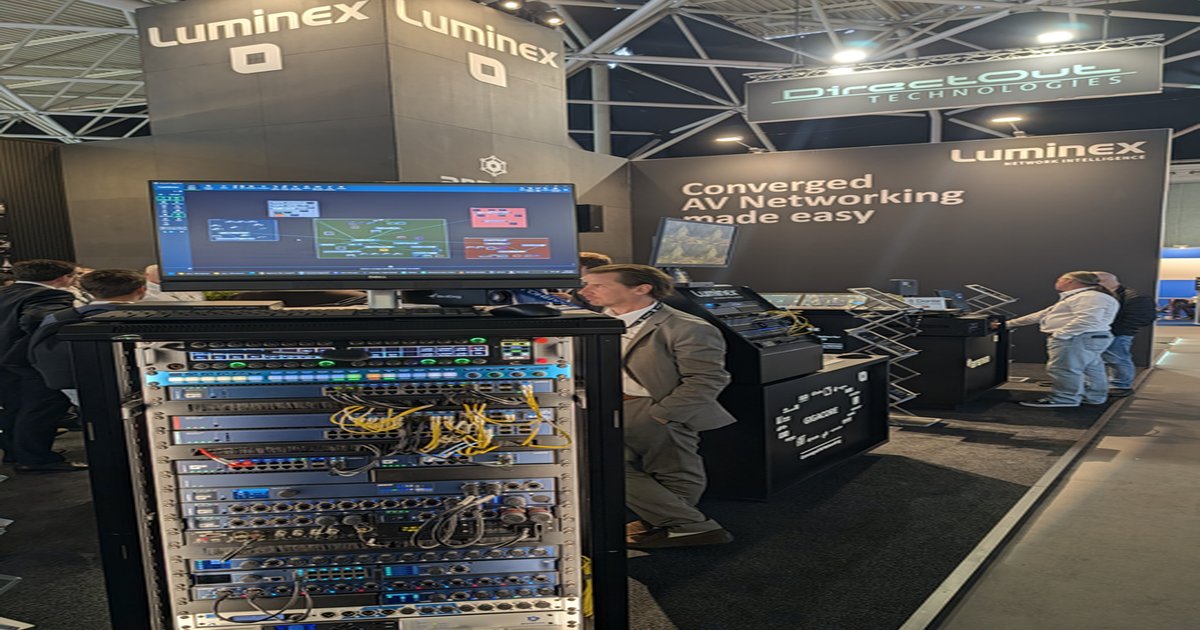
I spent three days — September 10-12, 2026 — walking the aisles of IBC 2026 at the RAI Convention & Exhibition Centre in Amsterdam. With 14 exhibition halls, 1,300+ exhibitors, and 45,000 attendees from over 170 countries, IBC is the global meeting point where media and entertainment technology comes to life.
This is not a curated tour of the press room. This is what I actually saw on the floor — the booths, the demos, the hallway conversations, and the energy that makes IBC different from any conference I’ve been to this year.
Arriving and sizing up the floor
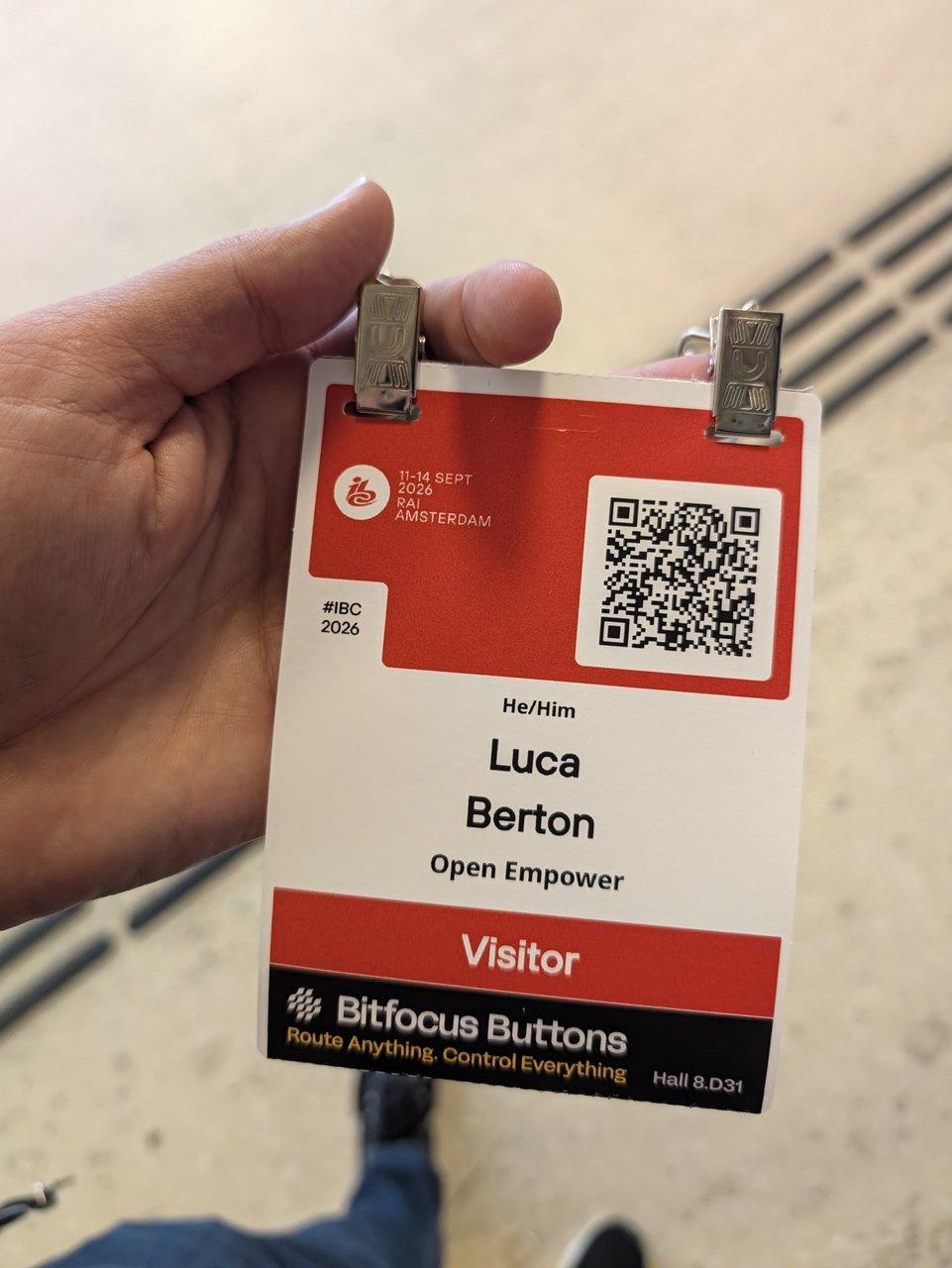
The IBC 2026 entrance at RAI Amsterdam. September 10, 2026.
The RAI is not a hotel ballroom with booths — it is a purpose-built convention complex spanning 14 halls. The moment you walk in, you are hit by the scale: ceiling heights that dwarf most trade shows, clear sightlines across the exhibition floor, and the kind of acoustics that make every conversation feel like it matters. The show floor is organized by vertical, and the density of exhibitors means you are constantly choosing between “walk left to see what’s next” and “talk to the person at this booth who has exactly the problem I’m facing.”
The Luminex booth: Converged AV networking
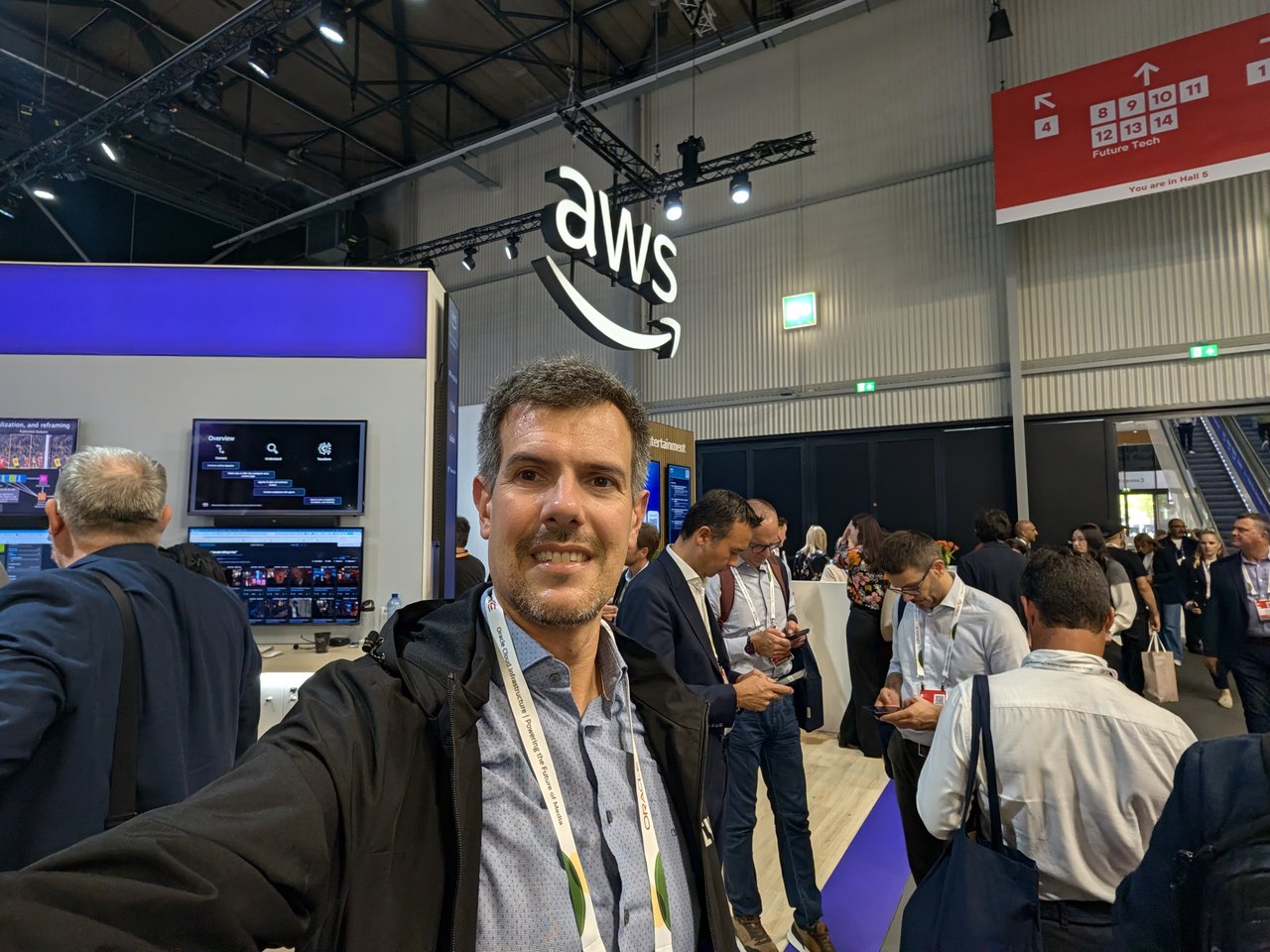
The Luminex booth — converged AV networking made easy. September 11, 2026.
The first booth that stopped me was Luminex, a Belgium-based professional AV networking company. Their booth wasn’t flashy — no LED walls, no VR headsets — it was focused on something far more substantive: converged AV-over-IP networking.
The rack setup tells the story at a glance: dual Matrox Converge DSH units, CAYMON-branded patch panels with XLR connectors for audio and fiber for data, and a Dell monitor running Luminex’s Gigacore software showing a live network topology. The thick yellow fiber bundles running through the rack aren’t decorative — they are carrying real media traffic.
What strikes me here is the practical convergence happening. Professional AV is moving from dedicated point-to-point cabling to IP-based infrastructure, and booths like Luminex’s are showing that the transition is not just theoretical — it is happening in production environments right now. The “Dante Spoken Here” sign on the secondary screen confirms that the standards layer (Audinate’s Dante protocol) is becoming the lingua franca of AV networking.
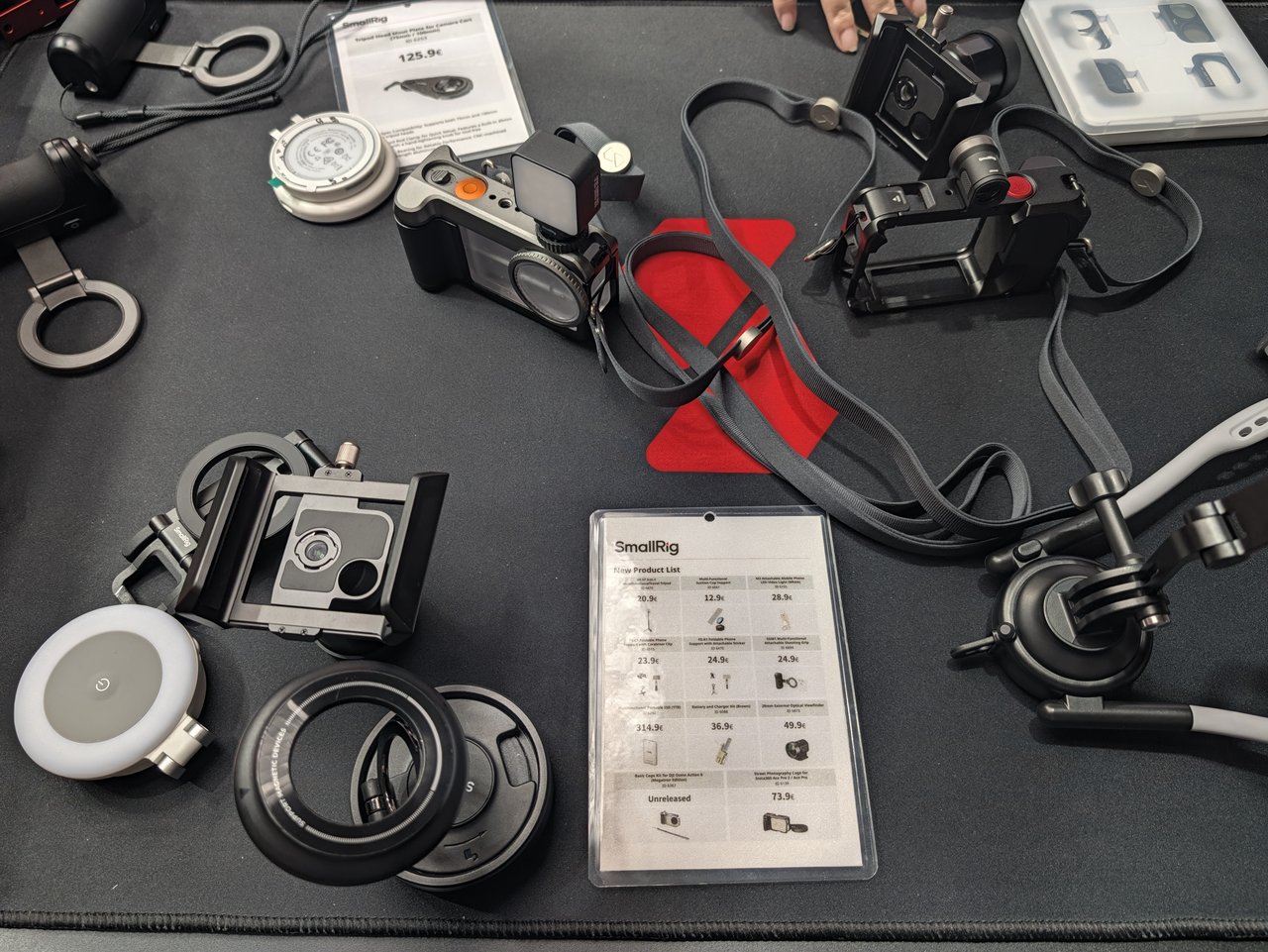
The Luminex equipment rack in detail — Matrox, CAYMON, and Gigacore integration.
Day 1: The exhibition hall comes alive
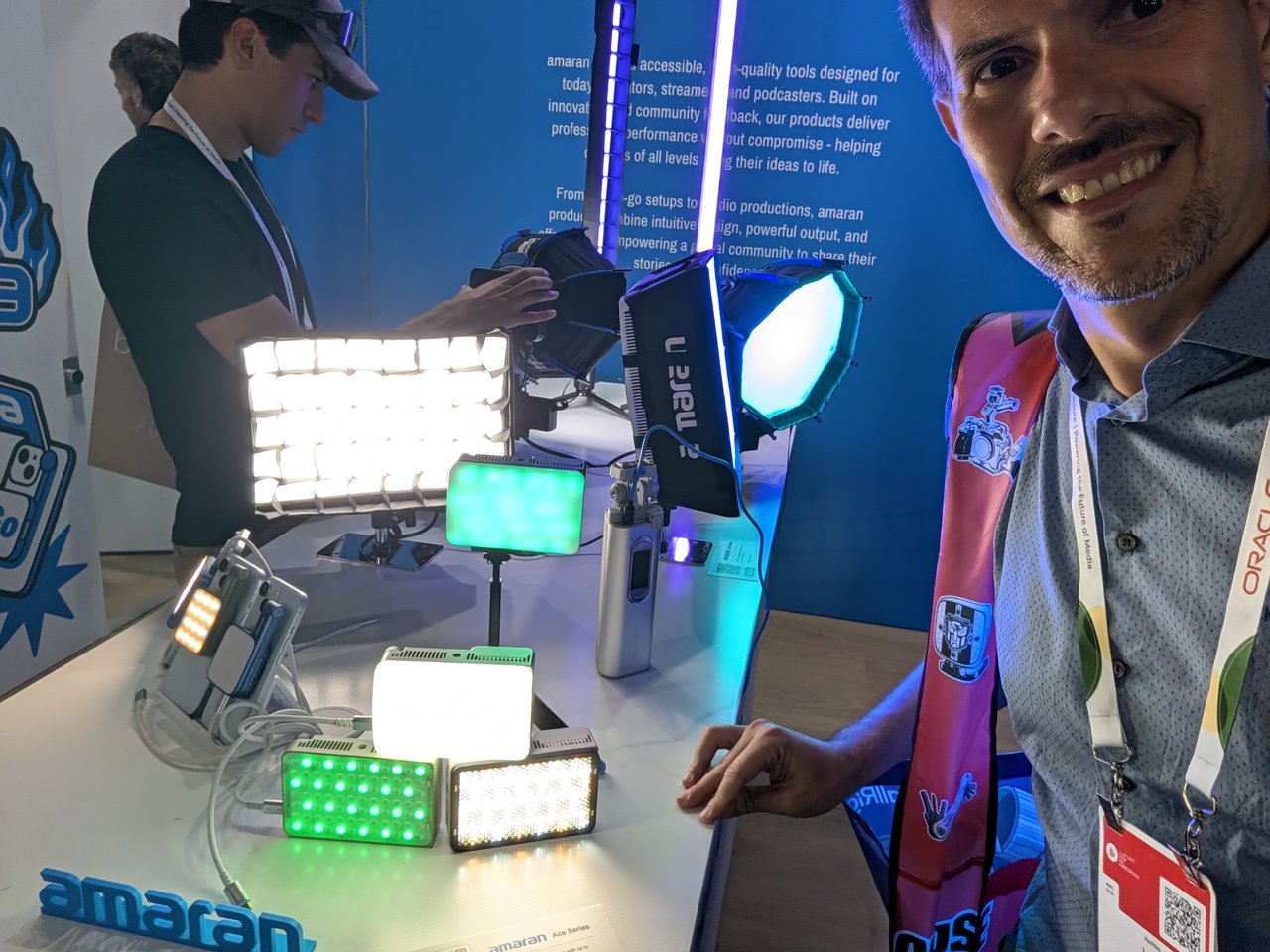
The main exhibition hall on Day 1. September 11, 2026.
By mid-morning, the halls were filling up rapidly. The conference pass holders were moving in waves — early arrivals, then the first wave of registered attendees, then the second wave from the evening networking events the day before.
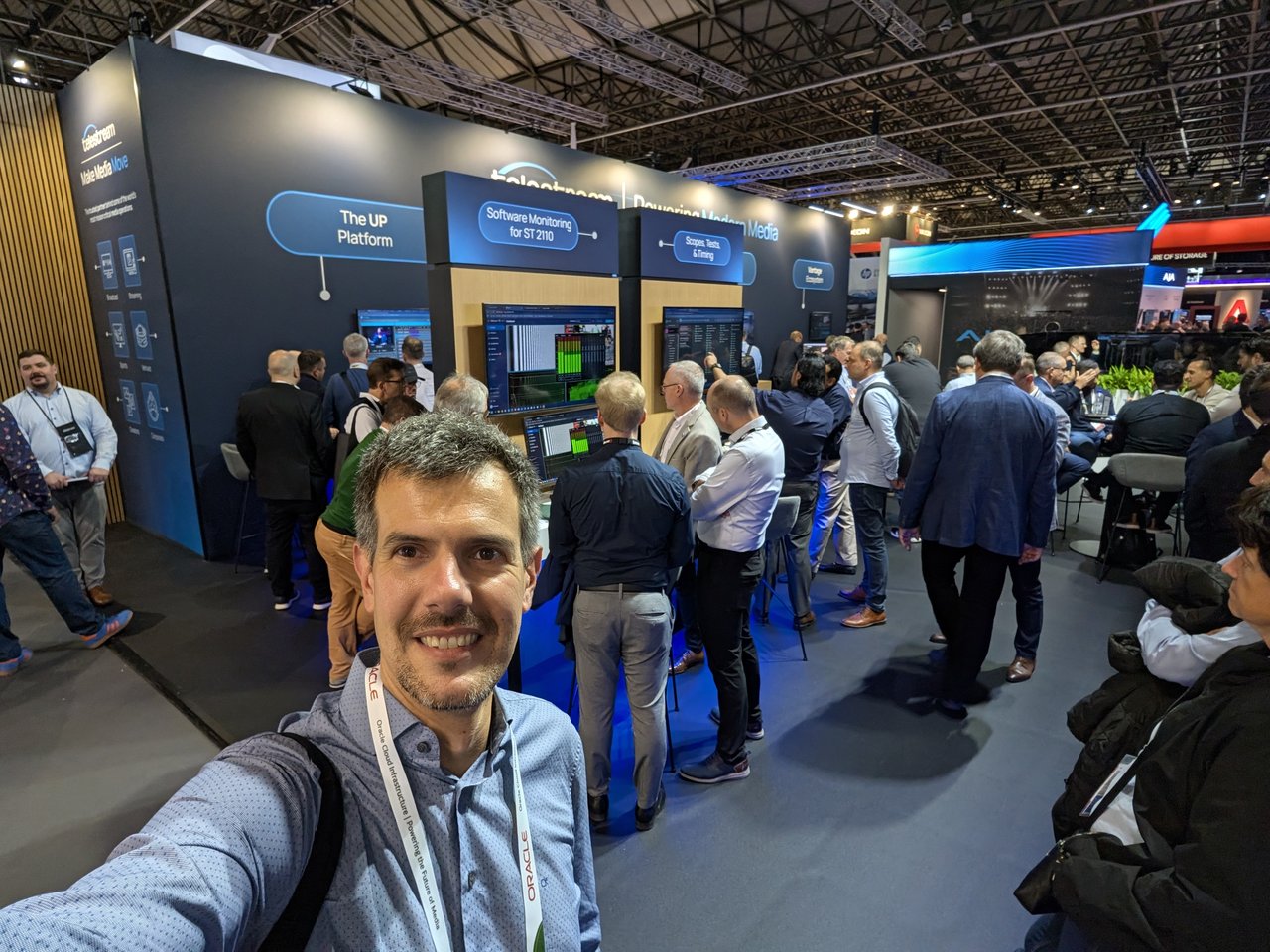
Attendees during the morning sessions. The density of the floor is immediately apparent.
The key difference from other tech conferences I’ve attended: IBC is fundamentally a productivity show. You are not here to hear about the next five-year vision — you are here to solve real problems with real technology. Every conversation I had on the floor was grounded in a specific use case, a specific timeline, a specific budget. The “let’s grab coffee and talk shop” culture is pervasive and genuine.
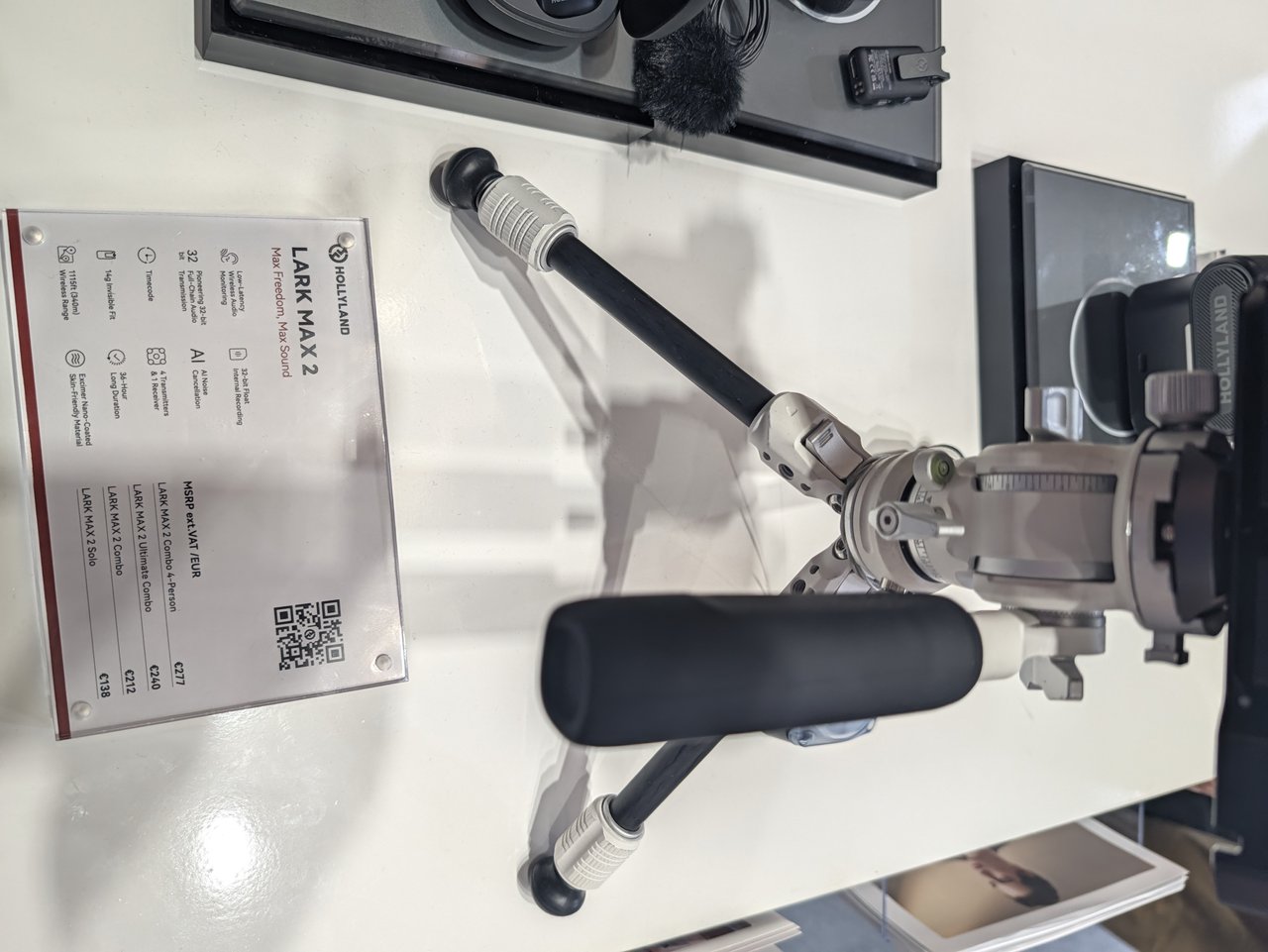
A networking demo station at one of the major exhibitor booths.
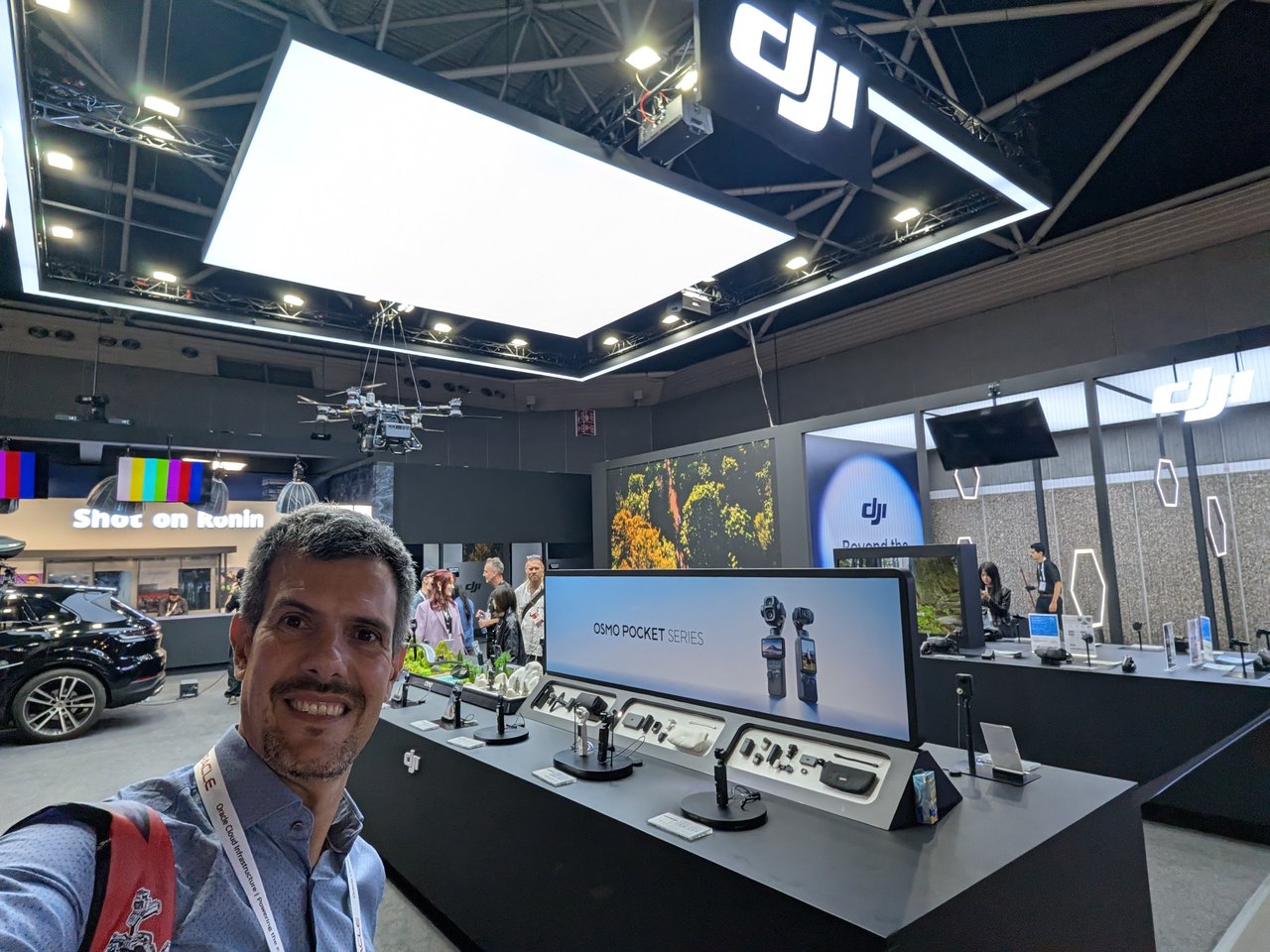
The exhibition hall during peak morning traffic.
Key innovations from the show floor
The IBC Daily newspaper, published each day of the show, captured the pulse of innovation across the four days. Here are the themes and announcements that defined IBC 2026:
AI moves from experimentation to production infrastructure
Every booth had an AI story, but the conversation quickly turned past the demo to the specifics of deployment. As LiveU’s VP of Product Marketing Roy Hasson observed: “AI has moved decisively from experimentation to operational reality. The trials broadcasters ran in the years after the Covid-19 pandemic have matured into genuine workflow transformation.”
The Delta Protocol Accelerator project, championed by EBU, RAI, IET, SMPTE, SBA, and DAZN alongside participants Google Cloud, V-Nova, Eluvio, and NeoViews, is reframing live streaming from frame-by-frame transmission to scene-instruction-based architecture. Rather than sending a continuous stream of frames, devices generate the viewing experience from AI-defined scene data. The ambition is to cut cost and complexity of delivery, close off piracy routes, and enable hyper-personalisation for viewers.
Netflix opens its Media Production Suite to third parties
Speaking on the IBC Conference keynote stage, Netflix’s Anna Mallett (VP Production for EMEA) announced that the streamer’s Media Production Suite is being opened to third-party tool integration. “We’re making it safe and easy for people to explore,” Mallett said. The platform already supports AI-driven features like automated transcription, shot identification, and character dialogue attribution — as demonstrated on productions like Formula 1: Drive to Survive.
Broadcast equipment highlights
The show floor was packed with significant product launches:
Sony unveiled the FX5, a compact full-frame 6K cinema camera sitting between the FX3 and FX6. The video-only camera features a newly developed stacked CMOS sensor, 15+ stops of dynamic range in S-Log3, and AI-driven autofocus.
Kinefinity introduced the Vista Personal Cinema Camera — a 6K full-frame open-gate camera weighing just 610g, targeting “a complete, reliable cinema camera experience in the smallest possible form factor.”
DJI expanded into wireless audio with the Mic Mini 2S, the company’s first mini wireless microphone with internal recording and 32-bit float capture. Each transmitter holds 14.5GB of storage for up to 28 hours of recording.
Sovereign cloud media supply chains
BCE demonstrated an end-to-end sovereign cloud media supply chain using Scaleway for European cloud infrastructure and Ateme for media processing. “Sovereignty is about more than where data is stored,” said BCE CTO Sylvain Merle. “It is about who controls the media supply chain and whether organisations retain the freedom to choose, adapt and evolve their operations over time.”
Sustainability: The rise of the small battery
A quieter but significant theme ran through the show floor. As noted by Leverage Point Entertainment’s Head of Sustainability, the diesel generator — that familiar grumble on set — is being replaced by battery systems in the 2.5kW to 10kW range. Backed by BAFTA Albert’s SPARK: Clean Temporary Power by 2030 roadmap (signed by the BBC, Netflix, ITV, and Sky), these battery systems are becoming standard kit rather than emergency backup.
“The technology is here. The economics stack up. What’s left is the collective will to make it ordinary,” the Daily observed.
The Future Tech zone (Hall 14)
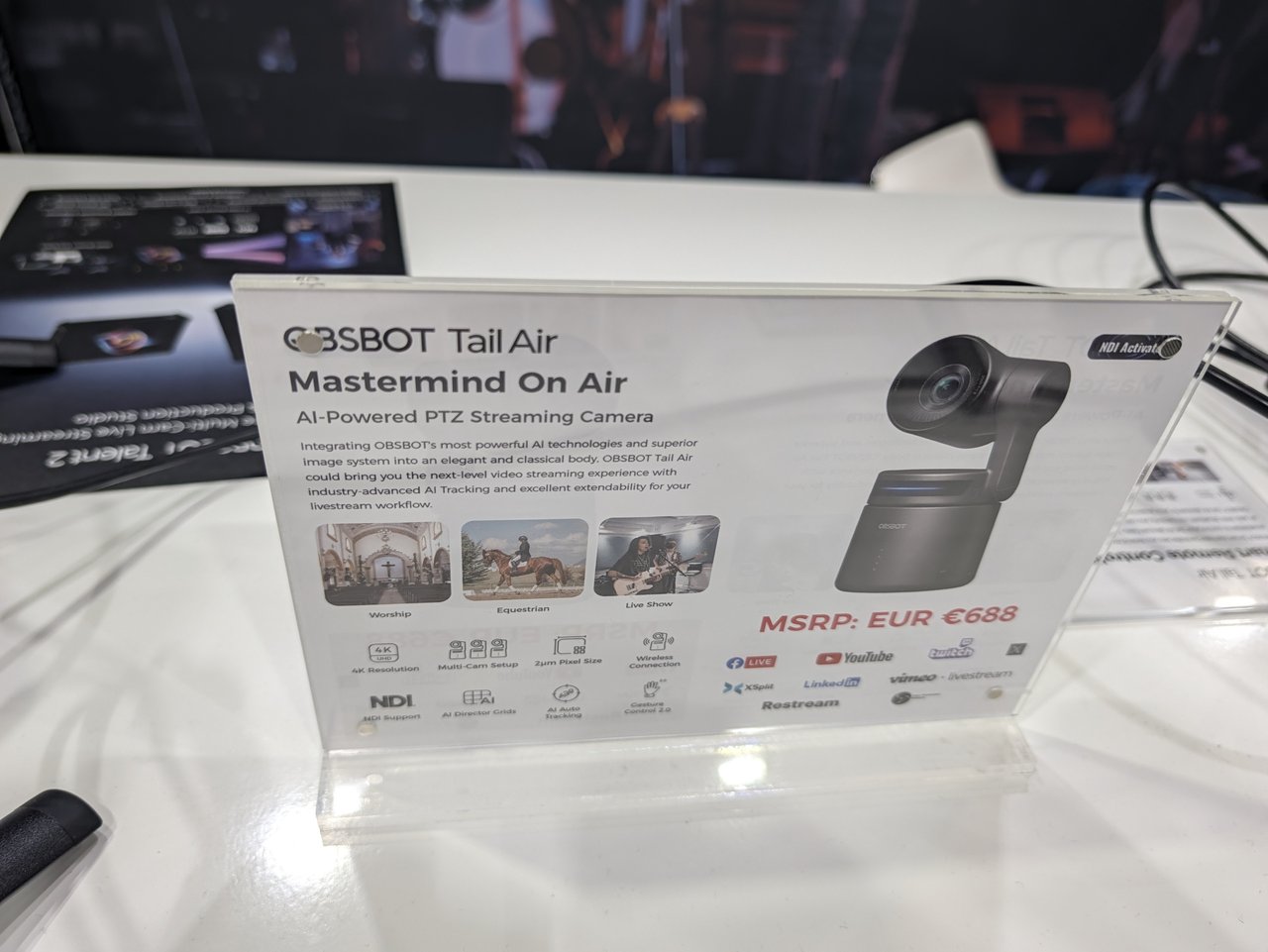
Future Tech demonstrations in Hall 14. September 11, 2026.
Hall 14 is Future Tech — the fastest-growing area of the show. Startups, research projects, and emerging companies are concentrated here, and the energy is different from the polished booths of the enterprise vendors. Here, the focus is on the next wave of media technology: real-time AI processing, edge compute for live production, and the intersection of broadcast and software-defined infrastructure.
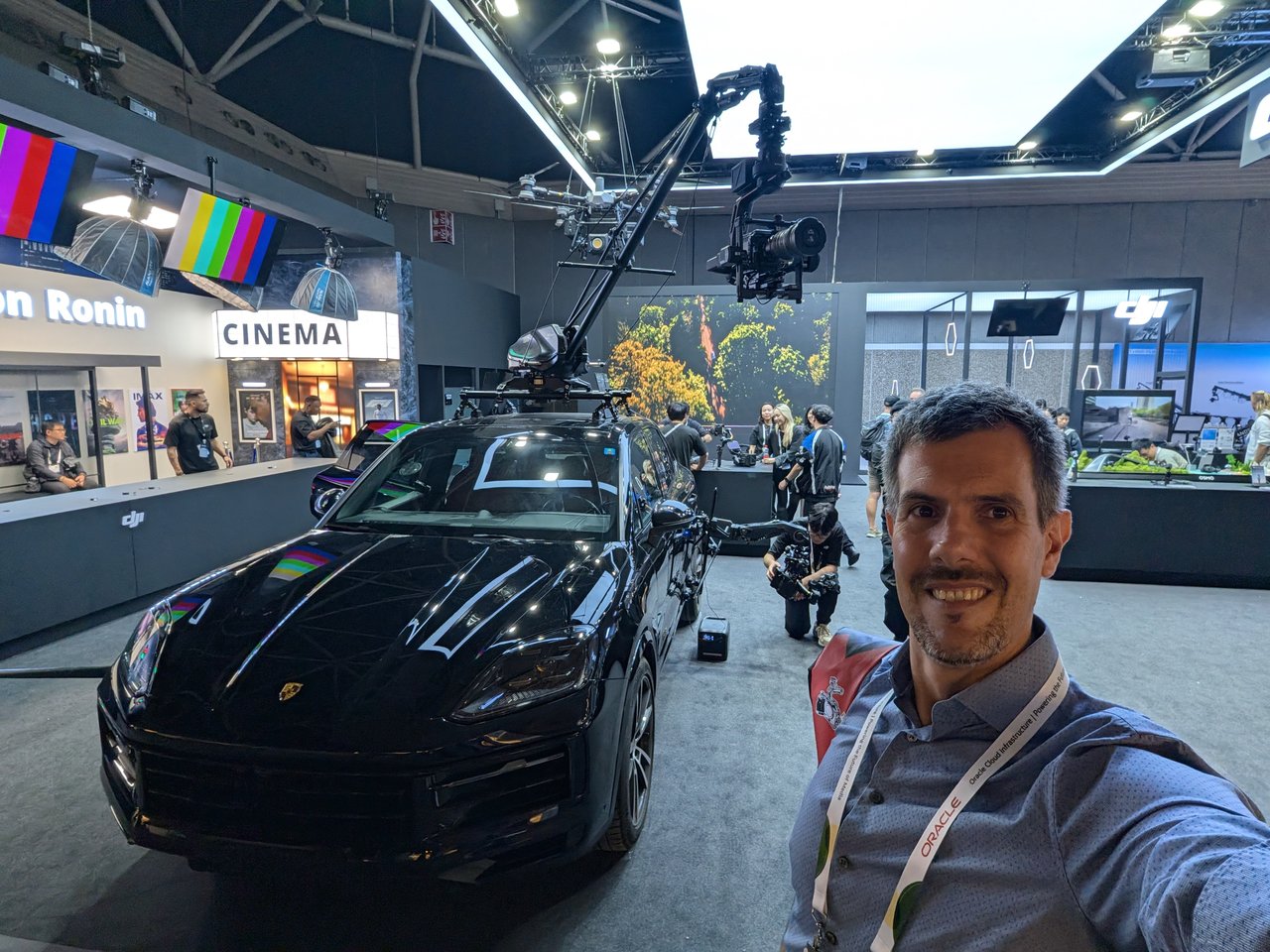
Startup zone activity in the Future Tech hall.
The Accelerator Programme — backed this year by Google as Headline Sponsor and EIT Culture & Creativity as Innovation Partner — was running live demos throughout the day. The key themes I kept hearing from presenters:
- AI-driven content creation: Not just generative AI for static assets, but real-time AI for live production workflows — real-time captioning, automated highlight clipping, intelligent scene detection.
- Edge compute for live production: Moving processing closer to the camera rather than centralizing everything in a data center.
- Trust and provenance: With deepfakes becoming more sophisticated, the industry is investing heavily in content authenticity and media chain verification.
A conversation at the show floor about AI and media production.
The Smart Stories Incubator project
One of the most compelling sessions at the Future Tech Stage was the world premiere of “Smart Stories — The New Knowledge Architecture for Content Production.” The project addresses a fundamental gap: production systems can execute tasks, but they have no shared understanding of the editorial context behind them.
The Story Object Model (SOM) treats a story’s state, sources, and assets as a first-class object that other systems can subscribe to, rather than context that lives in people’s heads, messaging apps, and hurried handoffs. Champions include the BBC, ITN, NBCUniversal, Associated Press, Al Jazeera, Washington Post, Channel 4, Sky, Reuters, and others.
As NBCUniversal’s Alex Bassett noted: “There is no shared context — agents are great, and can do what they want inside a tool, but they don’t know what’s happening.”
Booth conversations that mattered
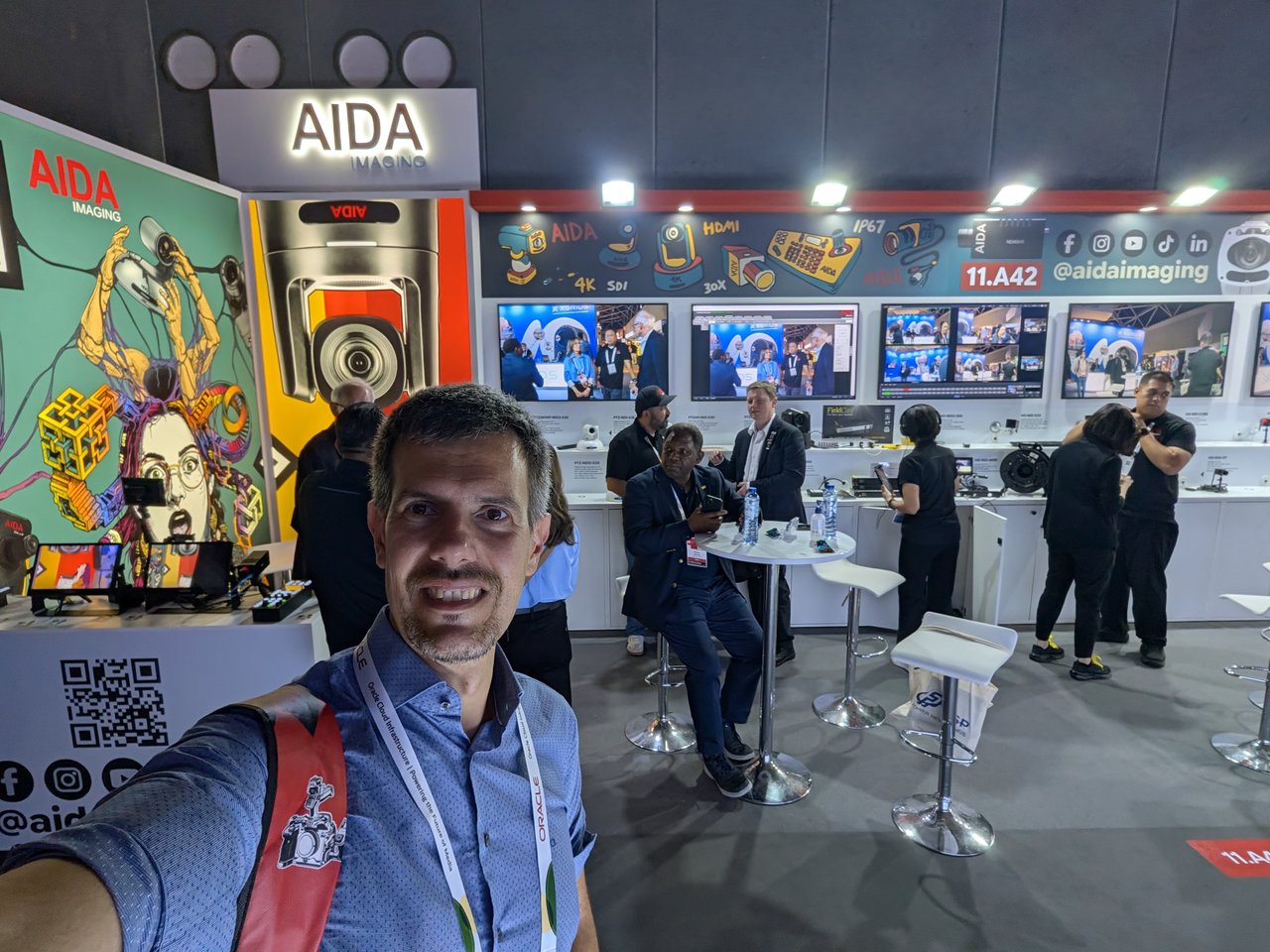
Afternoon light in the exhibition hall. September 11, 2026.
In the afternoon, the booth traffic shifted. The morning rush of scheduled meetings gave way to more casual conversations. This is when the real insights emerge — not from the prepared demos, but from the side conversations about what’s actually working and what isn’t.
One recurring theme: the gap between AI experimentation and production deployment. Every vendor booth had an AI story, but when you dig into implementation details, the conversation quickly turns to infrastructure requirements, data governance, and — most importantly — how to maintain quality while scaling. The media and entertainment industry has a zero-tolerance policy for “good enough” AI output, and that is forcing a more rigorous approach to deployment.
As Lux Aeterna’s Creative Technologist James Pollock put it: “AI’s greatest benefits [are] in supporting existing workflows… there’s potential wherever there is an ability to make changes and edit things almost on a molecular level.”
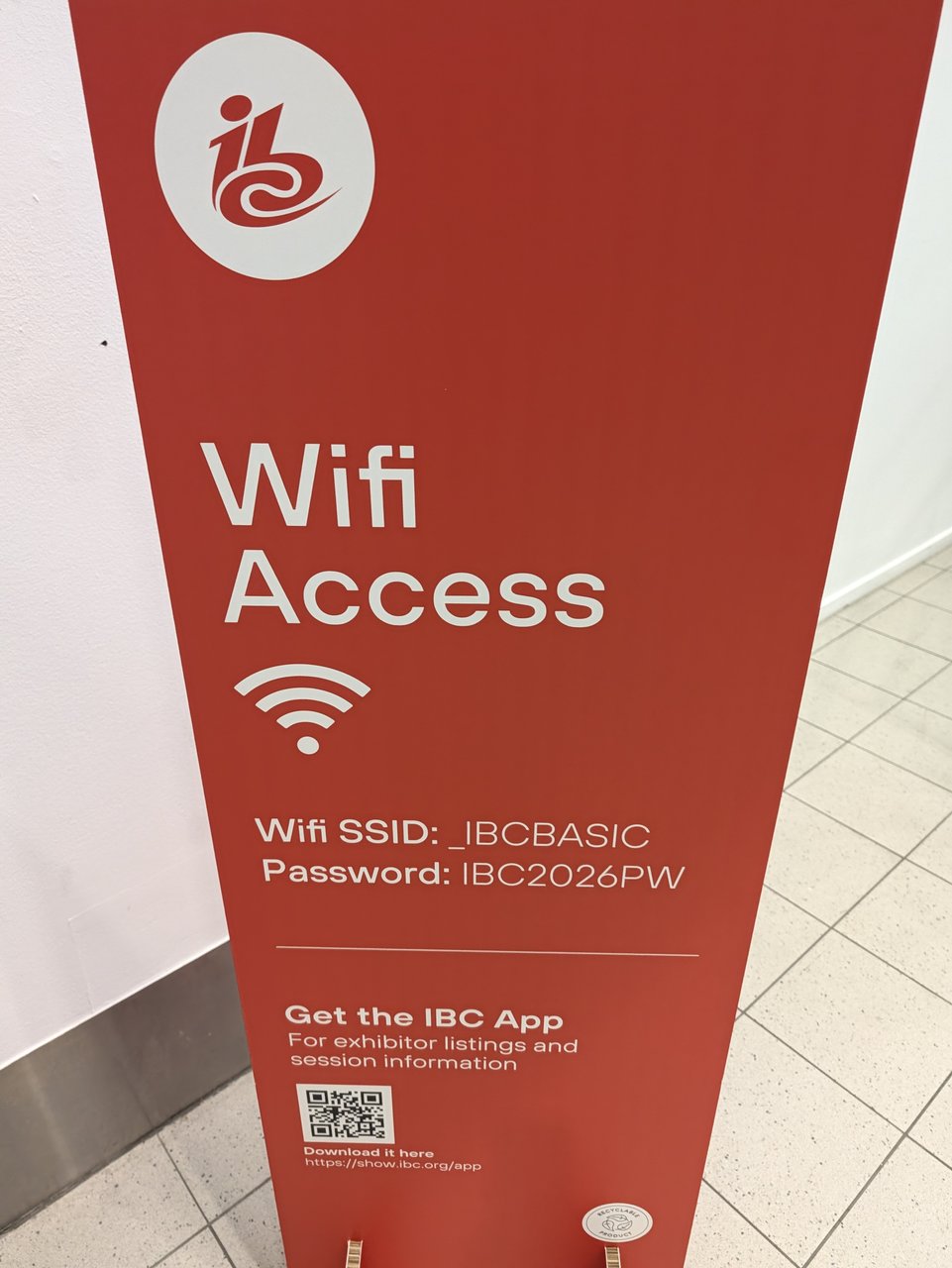
The exhibition hall during the networking hour. September 11, 2026.
Day 2: Deeper dives
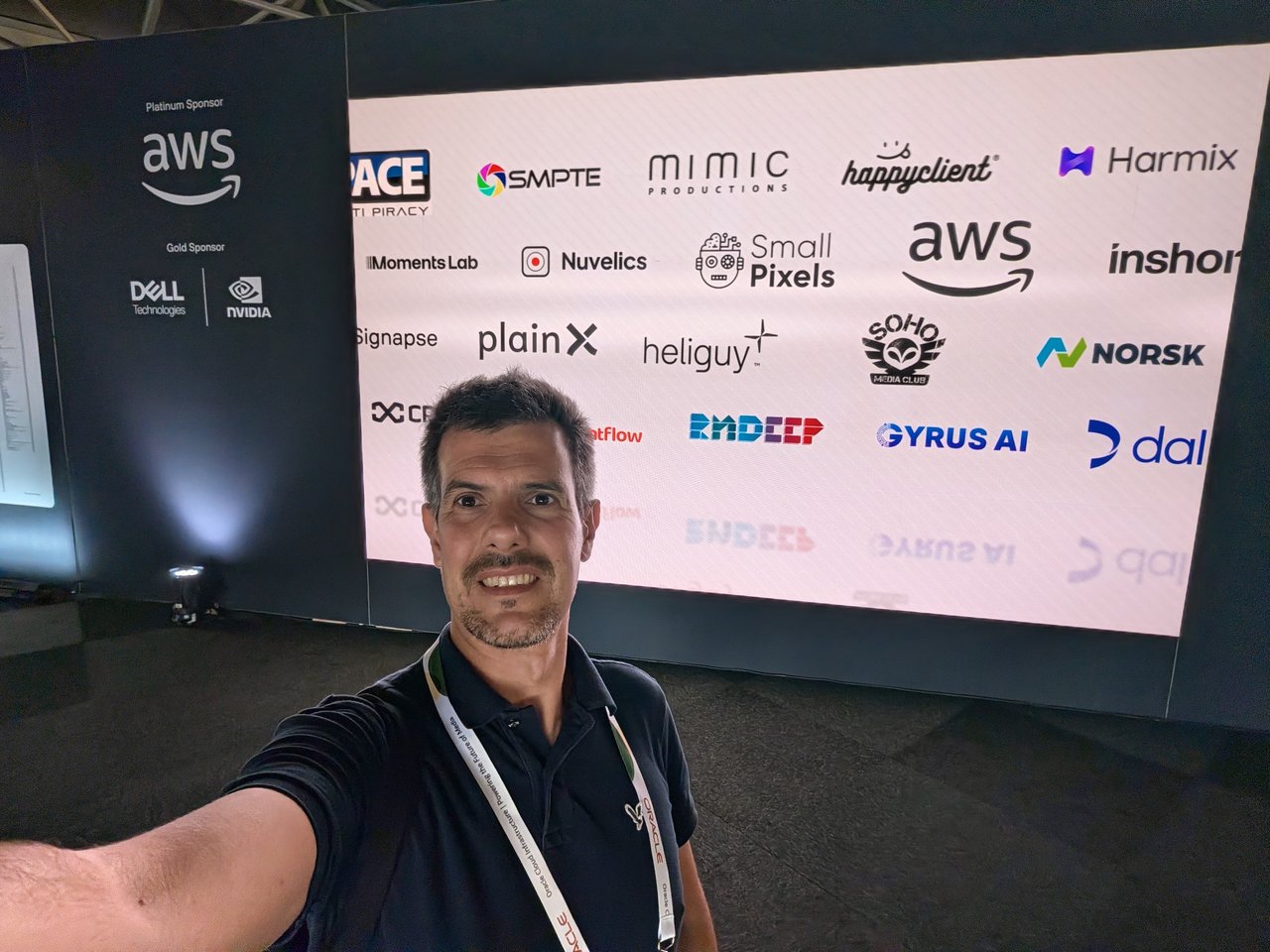
Day 2 morning in the exhibition hall. September 12, 2026.
On the second day, the conversations get deeper. The initial “hello, what do you do?” exchanges from Day 1 evolve into “here’s the specific problem we’re trying to solve.” I spent the morning at booths focused on content distribution and delivery infrastructure — the less glamorous but absolutely critical layer of the media stack.
A booth preparing for the Day 2 rush. September 12, 2026.
Content delivery and streaming innovations
Dejero was live-demonstrating the world’s first hybrid transport platform validated for NDI workflows, running a real production of the Targa Newfoundland motorsport event across 2,000km of remote terrain. The feeds ran across multiple IBC stands including Dejero & GlobalM (1.A11), FOR-A & Dejero (2.B53), Grabyo (5.A20), Matrox Video (7.B15), and Eutelsat (0.A26 and 1.A61).
swXtch.io showcased groundSwXtch, which carries lossless native audio-over-IP streams between facilities over standard internet connections without codec hardware. “If the audio is already AoIP and the network can carry it, the encode and decode step is cost, latency, and hardware you do not need,” said CEO Brent Yates.
Small Pixels presented SPAIQ FrameFlex for AI-supported frame-rate conversion and SPAIQ Linq for visual intelligence transport over constrained networks — demonstrated live with drone-captured video transmission.
Media asset management and orchestration
SDVI showed the next version of the Rally media supply chain platform with a redesigned orchestration engine, new graphical supply chain builder, and agentic AI interface. As SDVI’s CMO Geoff Stedman explained: “how Rally works alongside existing on-premises infrastructure matters just as much as what is new in the cloud.”
Limecraft launched version 2026.4 of its cloud-based platform, introducing team-based access control, GPU-accelerated media processing for Apple Silicon, and enhanced localisation workflows.
3Screen Solutions unveiled 3Ready Hero Search, using AI-powered semantic search to understand viewer intent during content discovery — “the viewer speaks naturally, can interrogate it in voice interaction, which can expose information and detail such as desired genre, or the user’s mood.”
Remote contribution and live production
QuickLink enhanced its StudioEdge remote contribution platform with support for WhatsApp and Cisco Webex, alongside extra integration for Microsoft Teams. The platform provides broadcast-quality, discrete audio and video contributions from video conferencing platforms, already supporting Zoom and Microsoft Teams.
Sprolink introduced the MC-NDI, a fully integrated NDI live production unit with instant replay — claimed to be the first video switcher with instant replay built in. The system supports hybrid input combining four wired SDI/HDMI camera feeds and eight wireless NDI streams.
Audio advances
Calrec debuted the Type RT console range and the Apex M6 I/O box. The Type RTX is a small-format broadcast-level audio mixer inheriting the Argo system architecture, while the Apex M6 supports ST 2110-30, AES67, Dante, and MADI I/O cards.
Shure released Wavetool 4, adding Global Instant Replay — letting users rewind and review activity across the entire system with up to 30 minutes of history. The platform now supports up to 192 channels and eight simultaneous users.
Technical demonstration station on Day 2.
Piracy fighting back with AI
The arms race between content owners and pirates escalated at IBC 2026. Nagravision showcased agentic AI systems that can assess threats, make decisions, and act autonomously within defined parameters. “At the speed and scale that live sports piracy now operates, that level of autonomy isn’t a nice feature. It’s a requirement,” said VP Tim Pearson.
Big Blue Marble demonstrated AI-assisted tools for detecting and investigating content piracy, using behavioural data across DRM, concurrent access protection, and forensic watermarking. The system can identify piracy patterns, credential sharing, and unauthorised redistribution by correlating evidence across multiple protection layers.
DoveRunner highlighted independent testing of its forensic watermarking service by Cartesian, assessing whether the watermark remained detectable after processing, compression, and manipulation typically used to redistribute pirated content.
Security and trust: The industry’s growing concern
A panel at the Future Tech Ignite Stage warned that the media and entertainment industry is “not ready” for AI-driven cyber threats. OpenAI joined more than 100 companies including Google, Microsoft, and Anthropic in warning that the window to upgrade global cyber defences against AI-driven attacks is closing.
“Trusted Partner Network sent out more security alerts in the first half of 2026 than in early 2025,” said moderator Terri Davies. “This year’s IBM report is estimating the cost of a breach at US$5m, up 12% from last year, and 56% of threats are driven by AI. There’s a tsunami coming and I’m urging you to be ready.”
As NBCUniversal’s Tony Anderson emphasized: “Security discipline is what matters, not size. You don’t need expensive tools, but good habits, which are often free. You must turn on MFA and avoid using shared accounts.”
Day 3 and 4: From infrastructure to audience
The final two days of IBC 2026 shifted focus from technology infrastructure to audience experience and business transformation.
Netflix’s creator tools and AI integration
Netflix continued its push into AI-powered production tools. The streamer showcased how AI is already being used to power automatic transcription, improved online discoverability, and its vast AI-powered archive containing half a million hours of video and 400,000 hours of audio. As ABC’s Damian Cronan noted: “We’re not about replacing humans. Human origination is the differentiator.”
Sports piracy’s AI battleground
Football is successfully deploying AI as part of its anti-piracy operations. The Premier League removed or blocked over 230,000 live streams during the 2024/25 season. Spain’s LaLiga teamed up with Fastly to detect illegal streams in real time, reducing piracy by 60% during the 2024/25 season.
“AI makes piracy faster, more scalable and more credible than traditional media theft has ever been,” explained Nagravision’s Tim Pearson. “By the time you act, millions of viewers may have already watched the content and the revenue is gone.”
Creator economy takes center stage
Executives from Meta, Sidemen Entertainment, Tubi, Snap, and BBC Studios discussed how creators have become studios and studios have adopted creator logic. The key insight: audiences increasingly reward authenticity over scale.
“Creators know their audience better than anyone,” said Tubi’s Sami Qasem. “They retain ownership, which means they put everything into it.”
Virtual production and real-time capture
Innovative Dreams showcased how generative AI and virtual production are being integrated into filmmaking pipelines — demonstrated on season two of House of David, where a dangerous forest fire scene was recreated virtually while filming in dry conditions in Greece.
Spline unveiled Flynn, a real-time camera tracking system for film, live broadcast, and AR/XR production. Already used in The Incredible Shrinking Man (2025) for scale-change effects, Flynn requires no additional installation on set and is compatible with Unreal Engine and existing AR/XR workflows.
IBC Innovation Awards and the closing ceremony
The IBC2026 Innovation Awards recognized collaborative projects across four categories — Content Creation, Content Distribution, Content Everywhere, and Social Impact. Finalists reflected the growing impact of AI, cloud-native and software-defined workflows, open standards, new approaches to live production, and greater accessibility.
The International Honour for Excellence went to Olympic Broadcasting Services, recognizing decades of innovation in live sports production including advances in UHD, immersive audio, remote production, AI, and cloud technologies.
What I’m taking away
I left IBC 2026 with three clear takeaways:
AI is moving from novelty to infrastructure. The “look what this AI can do” demos are being replaced by “here is how this AI scales to millions of concurrent streams.” The operational maturity around AI in media production has jumped significantly. The conversation has shifted from “what can AI do?” to “how do we deploy AI responsibly and at scale?”
The hybrid cloud conversation is here. Not the theoretical “multi-cloud strategy” decks, but the specific “we need this workload to run on-prem for latency and in the cloud for burst capacity” reality. Every vendor I spoke with has a concrete edge-to-cloud story. As Dejero’s Kevin Fernandes noted, “remote and distributed production will continue evolving from an alternative workflow into the default model.”
Standards are consolidating. Whether it’s AV-over-IP at Luminex, Dante audio networking, or the convergence of broadcast and streaming through platforms like BBright’s “One Stream For The World,” the industry is converging on shared protocols. This is the kind of infrastructure work that makes everything else possible.
The exhibition hall on Day 2. September 12, 2026.
All photos in this post are from the IBC 2026 show floor at RAI Amsterdam, September 10-12, 2026. Video clips from the event are being processed and will be queued for publication — check back for upcoming video recaps.
IBC 2026 runs September 11-14, 2026 at the RAI Convention & Exhibition Centre, Amsterdam.
About the Author
I am Luca Berton, AI and Cloud Advisor. I work at the intersection of cloud security, platform engineering, and enterprise AI deployments. Book a consultation.