Every technology has an origin story, and RISC-V’s is unusually clean: it started as a three-month summer project at UC Berkeley in 2010 and grew into a global open standard now shipping in billions of cores. Understanding how and why it happened explains a lot about what makes RISC-V different — and why it is succeeding where earlier open ISAs failed.
The Berkeley Roots
RISC-V did not come from nowhere. The RISC (Reduced Instruction Set Computer) philosophy was born at UC Berkeley in the 1980s under David Patterson, whose research produced RISC-I, RISC-II, and later SOAR and SPUR. That lineage matters: the same institution that defined RISC went on to create its fifth generation — and the “V” is the Roman numeral five.
So when people call RISC-V “new,” it is really the latest chapter of four decades of architecture research.
The 2010 Summer Project
In 2010, Krste Asanović and graduate students Yunsup Lee and Andrew Waterman needed a clean instruction set for their research and teaching. Existing ISAs were either proprietary (x86, Arm — with licensing and legal barriers) or burdened with legacy quirks. So they decided to design their own, intending it as a short-term internal tool.
That “three-month project” turned into something far bigger. The design was so clean and well-considered that it quickly outgrew the lab.
The Philosophy: Simple, Modular, Open
A few design principles, set early, explain RISC-V’s staying power:
- Simplicity — a small base ISA with regular encodings, free of legacy baggage (the same qualities that make assembly pleasant to learn).
- Modularity — a tiny mandatory base plus optional extensions, so the same ISA scales from a microcontroller to a server.
- Openness — a free, open specification anyone can implement without royalties or permission.
- Stability — a base that, once frozen, would not change, protecting decades of software investment.
These were not accidents; they were lessons drawn from watching other ISAs accumulate cruft and lock-in.
Why Open Mattered (and Earlier Attempts Failed)
Open ISAs had been tried before (OpenRISC, SPARC’s open variants) without taking over the world. RISC-V succeeded because several things aligned:
- Industry frustration with proprietary licensing costs and restrictions was peaking.
- Technical quality — it was genuinely well-designed, not just free.
- Academic credibility — Patterson and Asanović are giants of the field; Patterson later shared the 2017 Turing Award.
- Neutral governance — the decisive move was placing the standard under an independent non-profit foundation rather than any one company.
From Foundation to RISC-V International
The RISC-V Foundation was established in 2015 to steward the specification with open, member-driven governance. In 2020, in a notable move, it relocated to Switzerland and became RISC-V International — explicitly to ensure geopolitical neutrality and reassure the global community that no single government or company controlled the standard. That neutrality is central to RISC-V’s appeal for digital sovereignty.
The Snowball: From Lab to Billions
What followed was remarkable momentum:
- Commercial pioneers like SiFive (co-founded by the original Berkeley team) brought RISC-V silicon to market.
- The embedded world adopted it first, shipping billions of cores quietly inside other chips.
- Major firms joined for supply-chain control and customization.
- The ecosystem now spans microcontrollers to datacenter and AI silicon, with a thriving open-source core community.
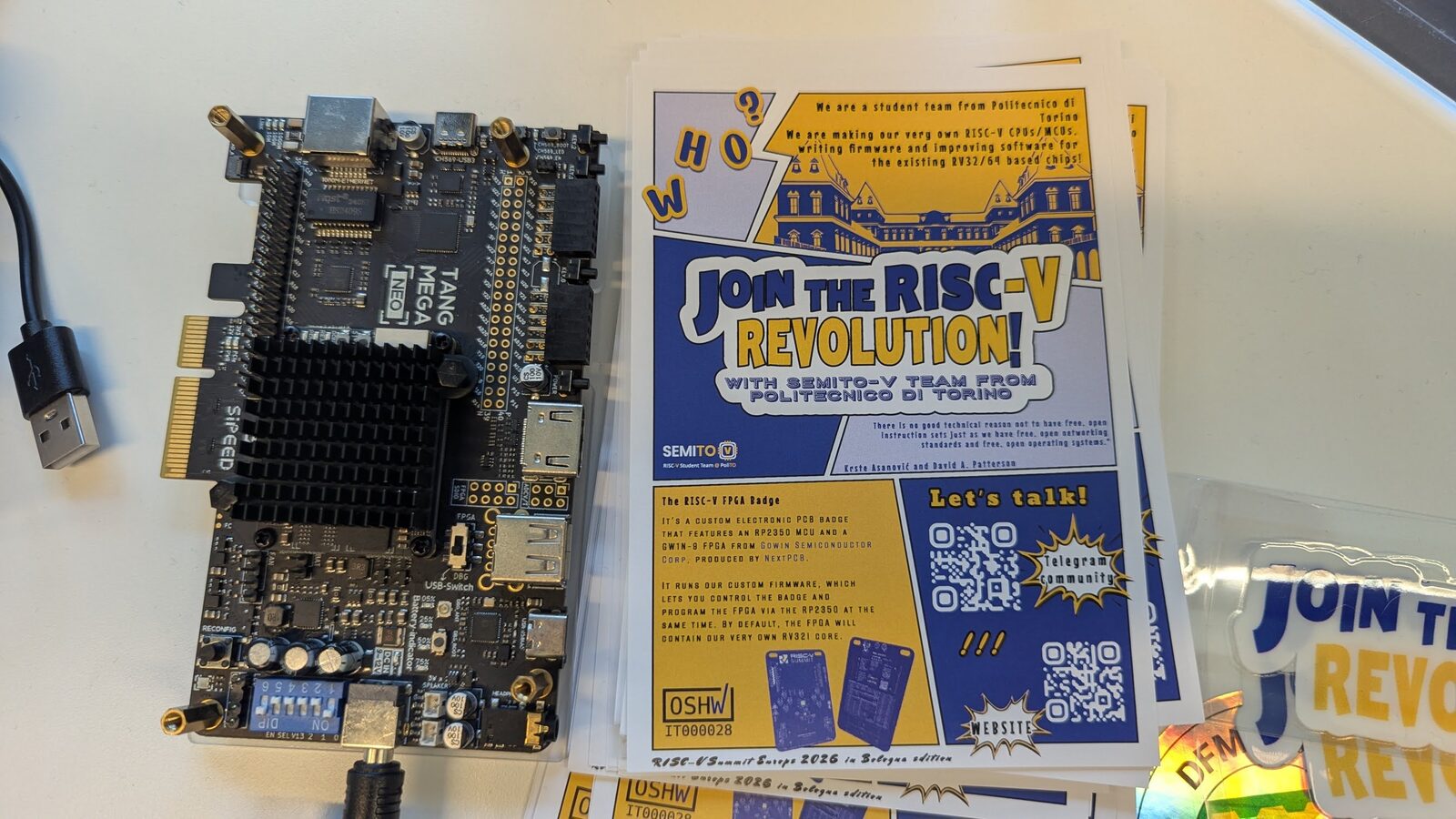
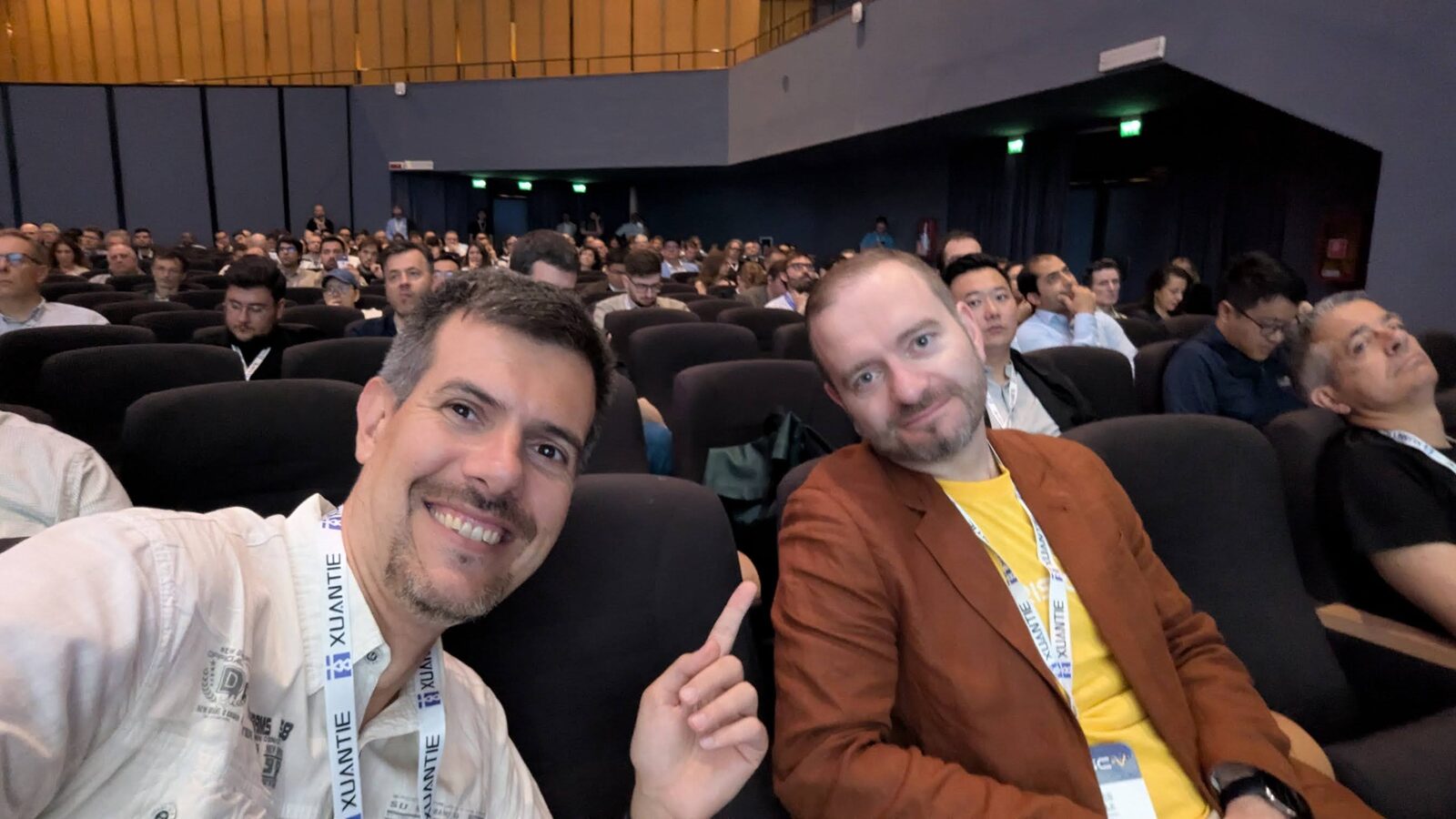
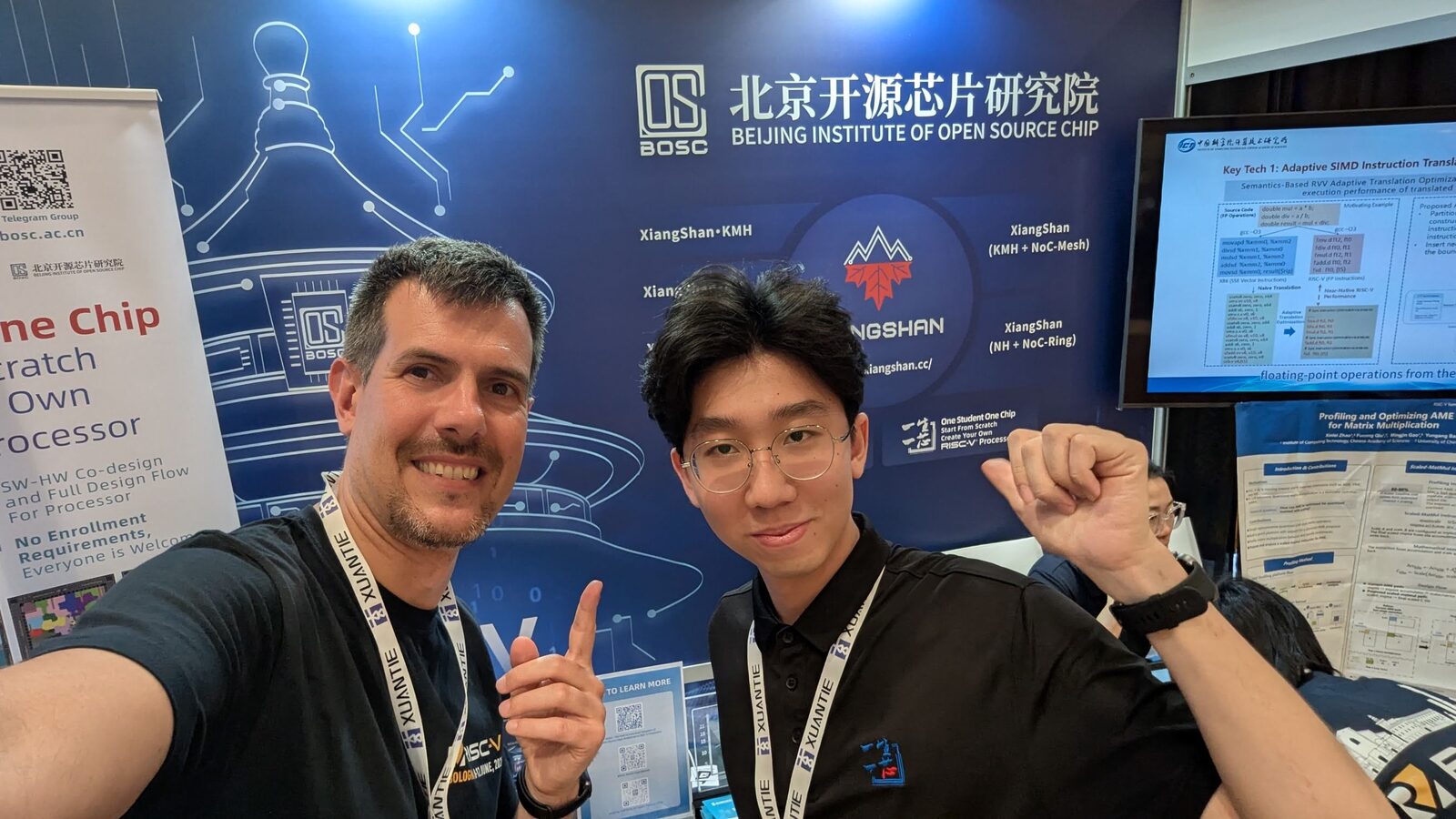
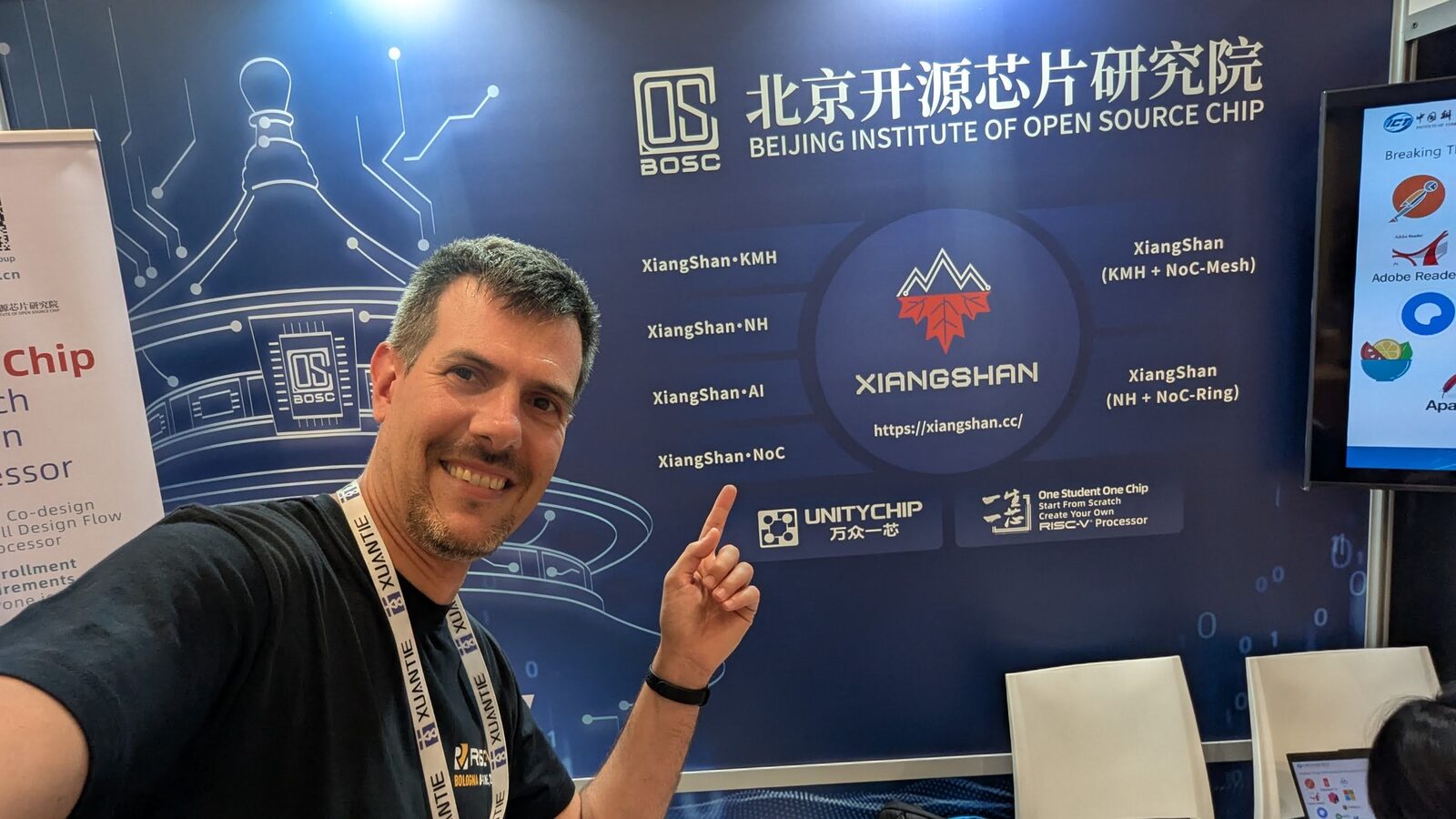
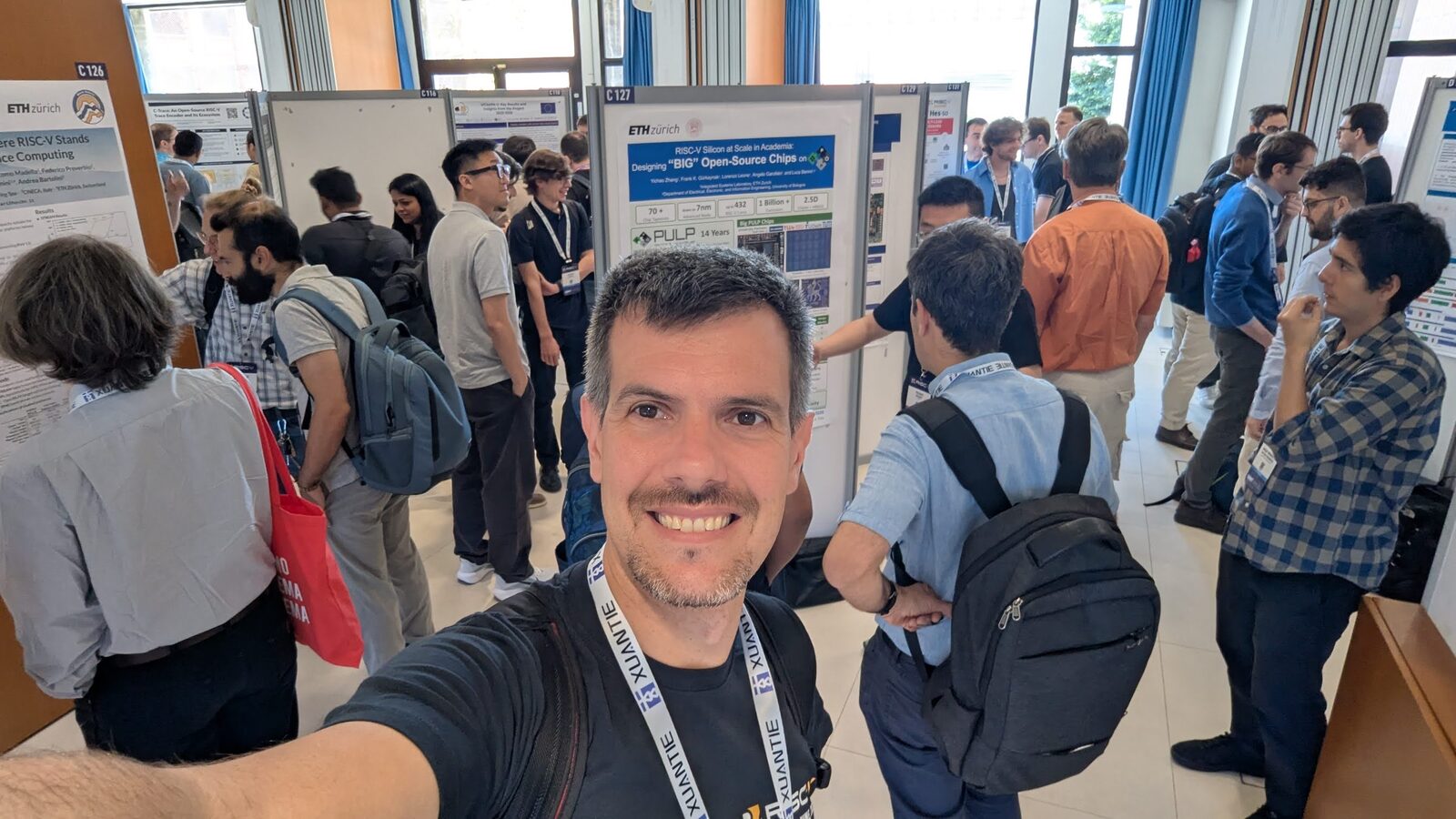
Gatherings like RISC-V Summit Europe 2026 — where thousands of engineers, vendors, and researchers convene — are the visible proof of how far the summer project has come.
The Bottom Line
RISC-V’s history is a rare case of the right idea, the right people, and the right governance arriving at the right moment. Born from four decades of Berkeley RISC research, designed to be simple, modular, and open, and protected by a neutral foundation, it overcame the obstacles that sank earlier open ISAs. From a 2010 summer project to billions of cores worldwide, it is one of the great open-source success stories — and, by design, it is just getting started.
Part of my RISC-V series. See also What Is RISC-V? and RISC-V and European digital sovereignty.