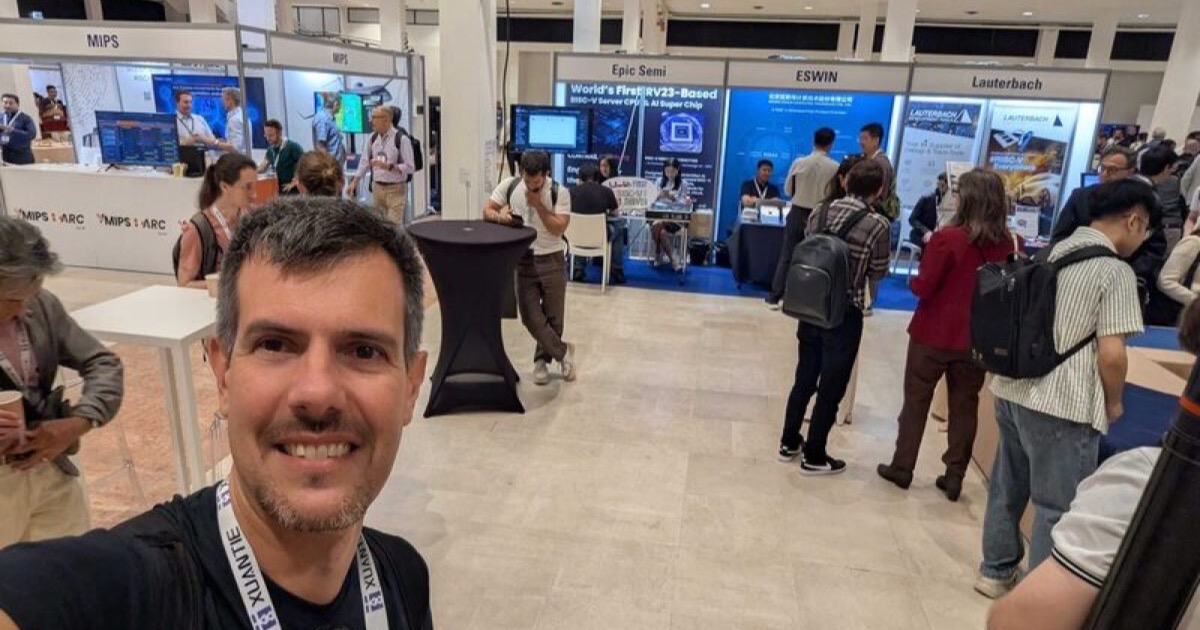
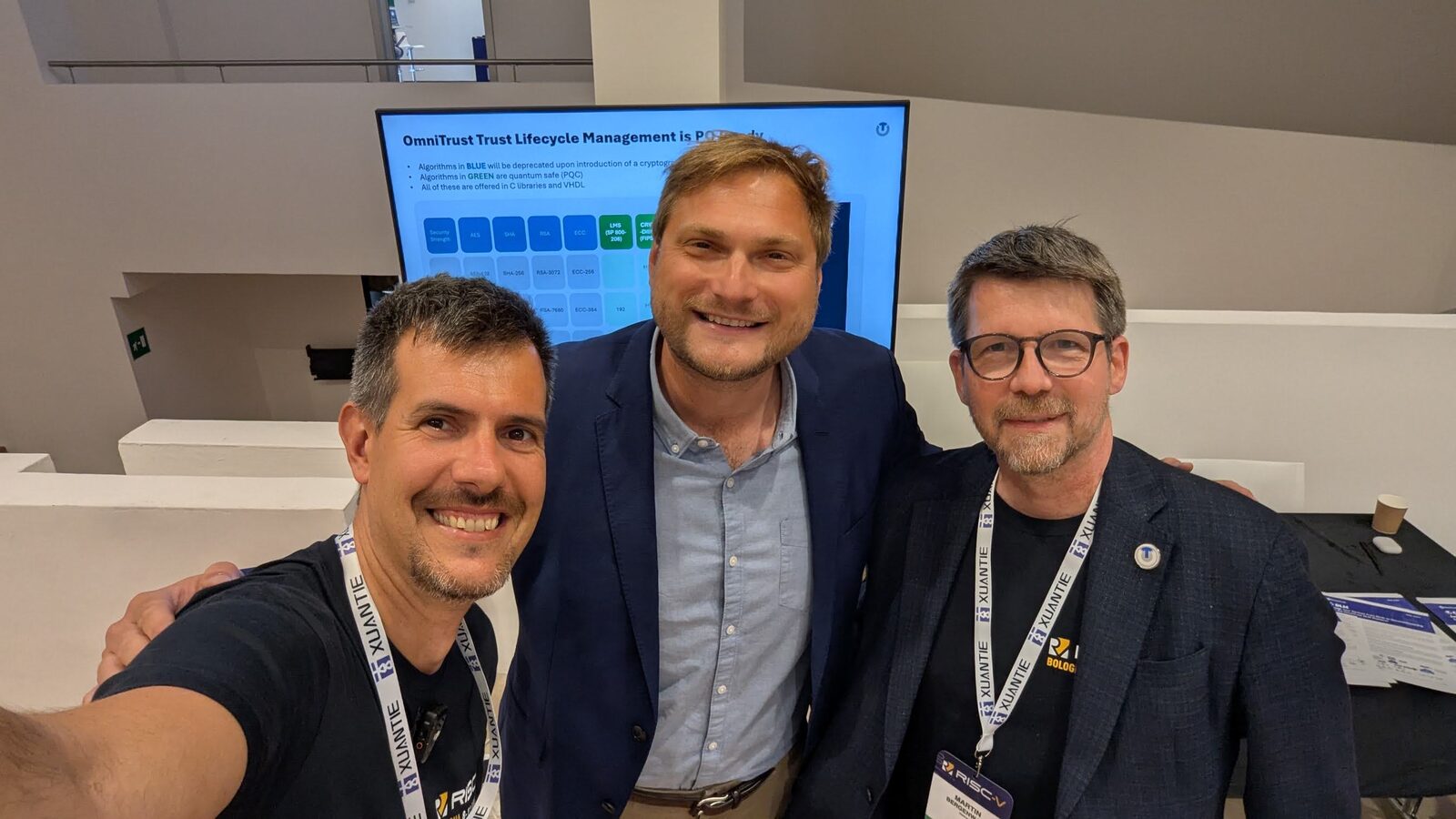
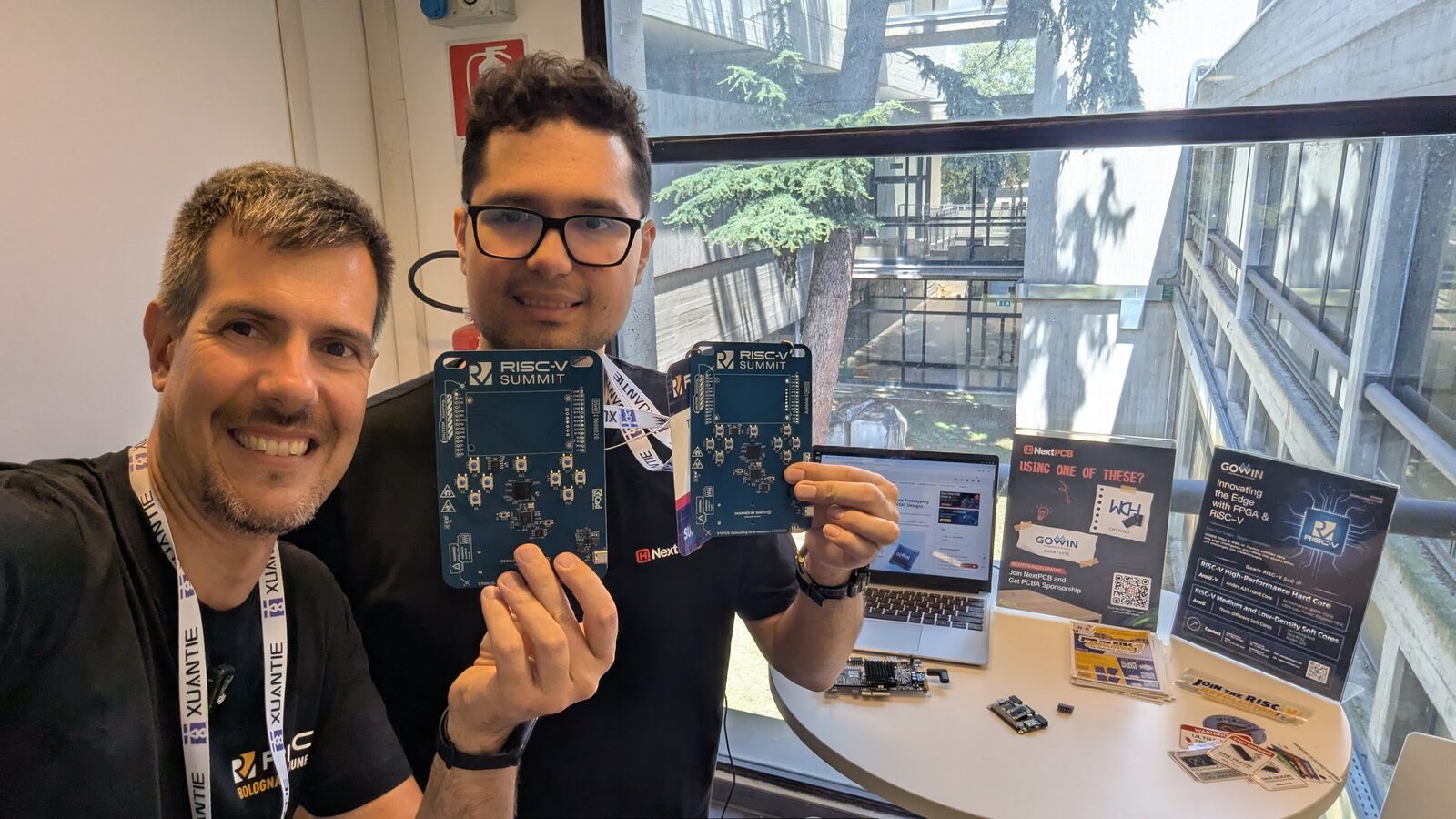
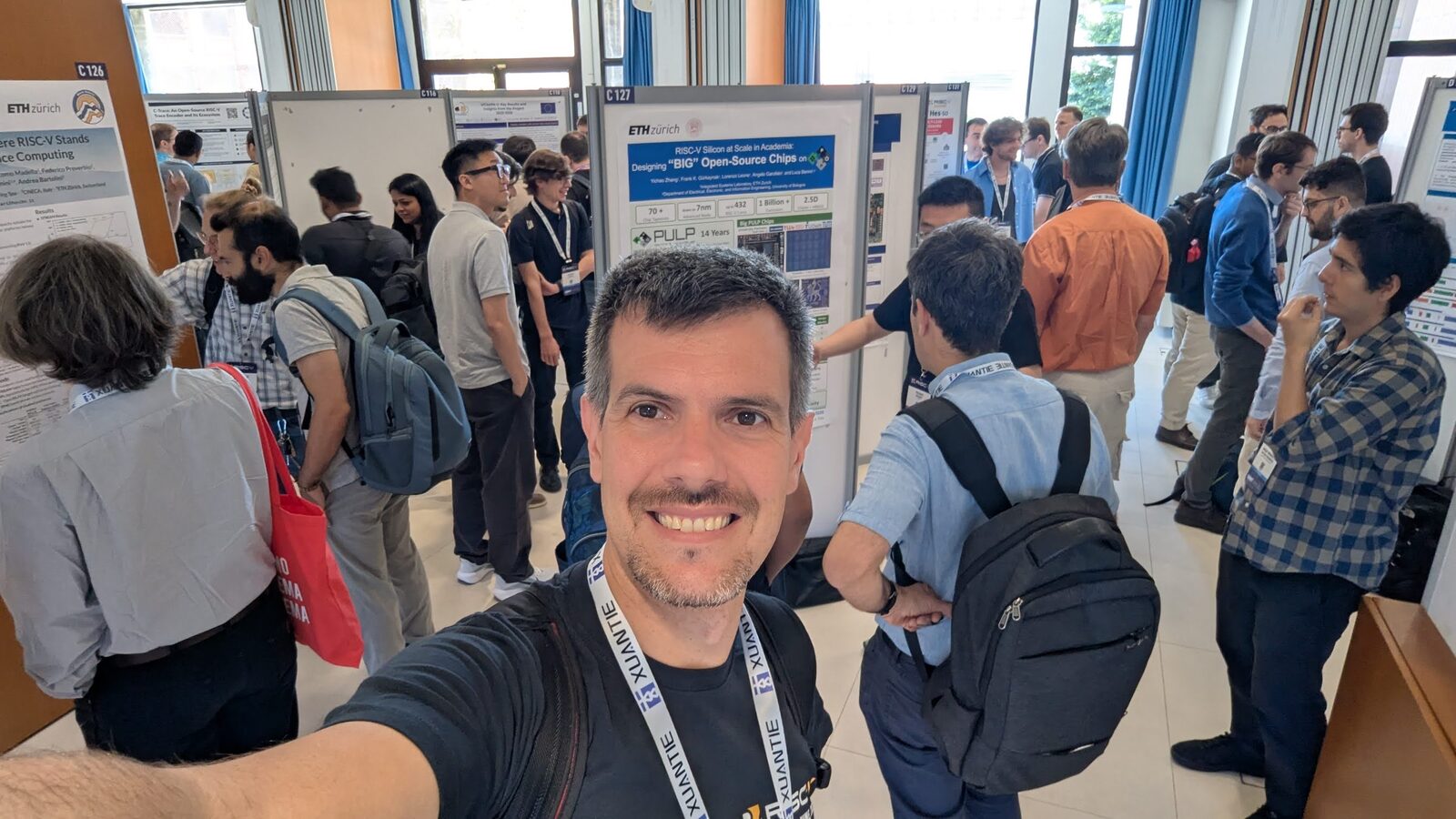
Nine out of ten high-tech companies collapse after a couple of years — and Frederik wants to change that. At RISC-V Summit Europe 2026 in Bologna, amid all the silicon, I caught up with Frederik about the part of building high-tech companies that is so often missing at deep-tech events: the business side.
The Problem Nobody at the Booth Talks About
Walk any deep-tech expo floor and the conversation is all architecture, benchmarks and tape-outs. What is missing, Frederik argues, is the reason most of those promising companies will not be around in a few years — and it is rarely the technology. It is business development and go-to-market: looking at the market differently, and enabling growth in a way most engineering-led companies overlook.
That gap is exactly why a business-first conversation felt so refreshing in a room full of chips and open silicon.
A Different Way to Look at the Market
Frederik’s focus is helping high-tech companies approach and address their markets deliberately rather than assuming the technology will sell itself. The core idea: great engineering is necessary but not sufficient. Without a clear go-to-market motion — who you sell to, how you position, how you grow — even brilliant silicon stalls.
What He’s Building
To share the methodology, Frederik is working on two things:
- A blog — sharing ideas on how high-tech companies should approach and address their markets.
- A book — distilling the methodology he has developed over the years, drawing on 100,000+ slides, for taking a company from “small and unknown” to a real player in the market.
That body of work is the kind of practical, hard-won playbook that engineering founders rarely get exposure to until it is too late.
Why It Matters for the RISC-V Ecosystem
The RISC-V ecosystem is full of startups betting on open silicon — and the economics of a royalty-free ISA only get you so far. The companies that turn open-hardware promise into real businesses will be the ones that pair strong engineering with strong go-to-market. A business-first lens like Frederik’s is exactly what the ecosystem needs more of.
The Bottom Line
The failure rate for high-tech startups is brutal, and the cause is more often the business than the technology. Frederik’s bet — a blog and a book turning a 100,000-slide methodology into a repeatable playbook — is aimed squarely at that gap. A genuinely refreshing, business-first conversation amid all the silicon in Bologna.
Interview recorded at RISC-V Summit Europe 2026, Bologna, Italy, 8–12 June 2026. Part of my RISC-V series — see also the Summit highlights and the RISC-V economics & royalty-free business case.