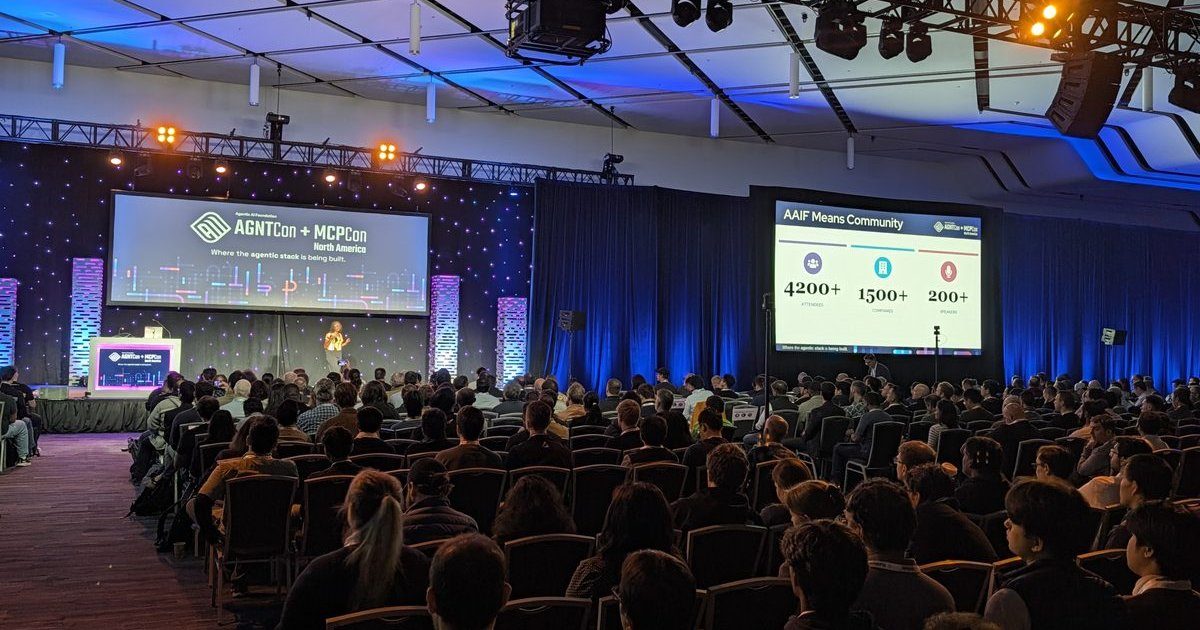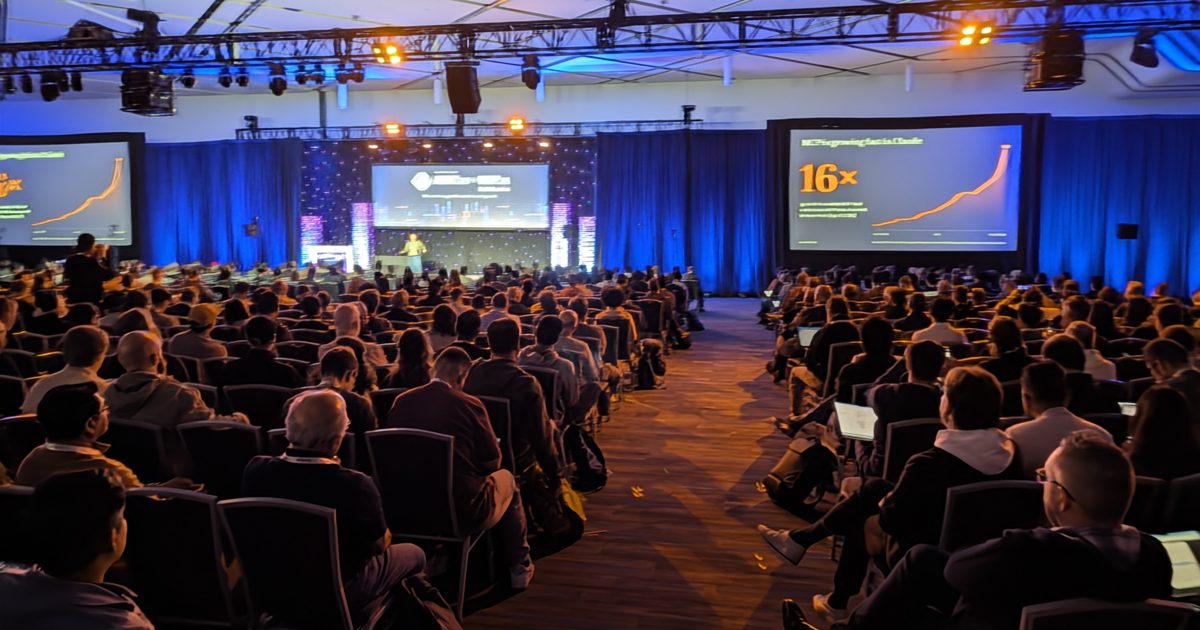
At AGNTCon + MCPCon North America in San Jose, Diagrid, the company behind Dapr, announced a Diagrid Catalyst integration for goose, the open source, general-purpose AI agent hosted by the Agentic AI Foundation (AAIF). The same release adds LangChainGo and Mastra, and, in Diagrid’s words, it “extends Catalyst’s support to over 15 agent frameworks for Python, TypeScript, Java and C#.”
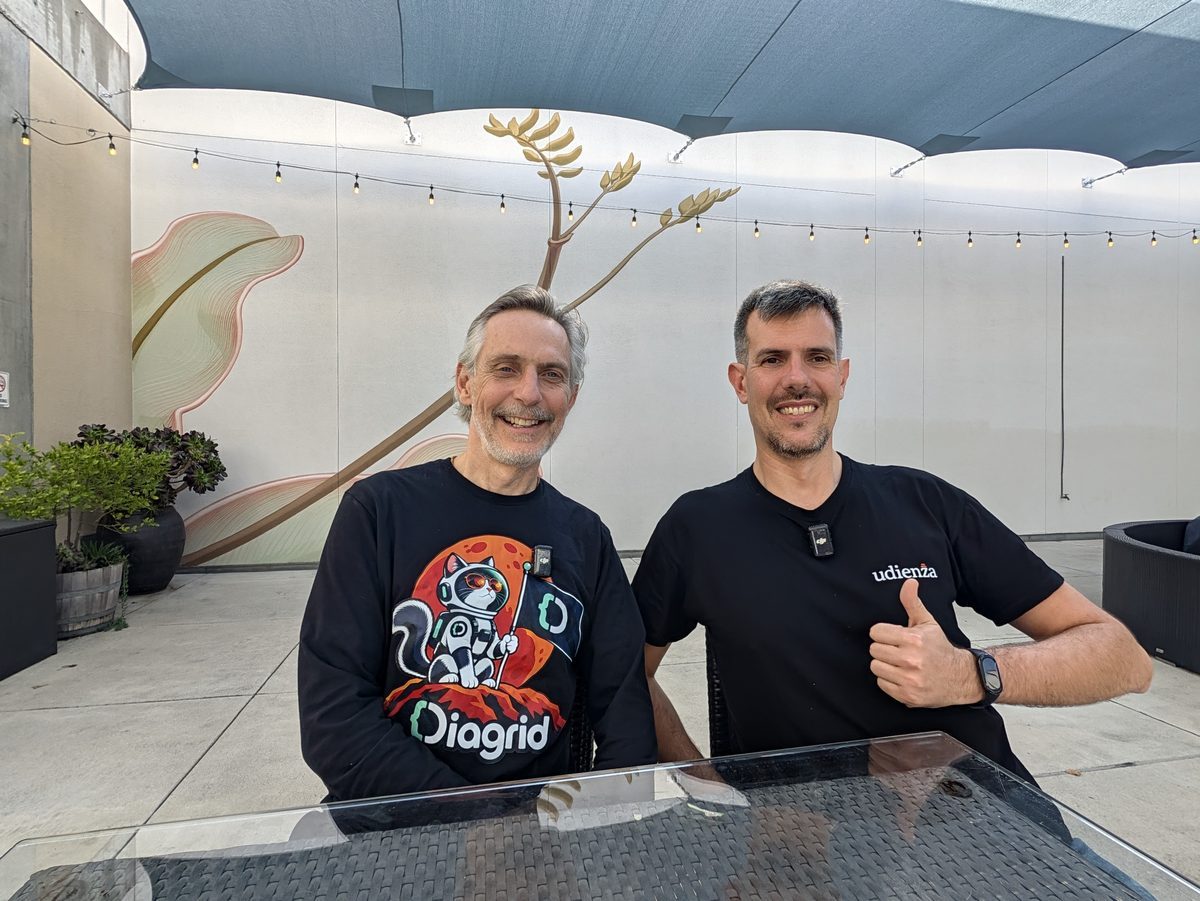
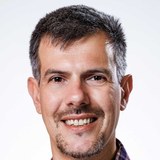
With Mark Fussell, Diagrid’s Chief Product Officer and co-founder, on day two of the conference.
The problem: a crash that starts the run over
Diagrid frames it this way: “Production agents run for minutes, hours or days. Containers are redeployed, nodes fail and API calls time out.” Without durable execution, any of those events restarts the run from the beginning, and every completed LLM call, tool call and API request runs again: the organisation “pays for the same tokens twice.” Catalyst commits each step before the next one begins, so when a process dies, the workflow resumes at the step that failed.
goose, unchanged
According to the release, Catalyst plugs into goose through its standard extension mechanism, “so no changes to Goose itself are required.” A goose recipe commits each step, every LLM call, extension tool call and sub-recipe invocation, before the next one begins; if the process or the node dies, the recipe resumes at the last committed step. Developers keep goose’s recipes, sub-recipes, subagents and MCP extensions as they are, and Catalyst supplies the durability beneath them.
On the AAIF blog, Yaron Schneider, Diagrid’s co-founder and CTO, describes the open source side, the diagrid-goose integration: goose runs inside a Dapr Workflow, and “each conversation turn becomes a durable, checkpointed workflow activity.” He is also clear about the limits. In production, goose’s session storage has to stay persistent across worker restarts, and since “durability is currently at the conversation-turn level,” a turn interrupted halfway through still needs idempotent side effects.
Go and TypeScript agents on Kubernetes
Diagrid also added integrations with LangChainGo and the TypeScript framework Mastra, for teams that build agents and deploy them to Kubernetes. Catalyst runs on Dapr, the CNCF-graduated project, which the release says keeps agent workloads portable across AWS, Azure, Google Cloud and on-premises clusters.
“Go and TypeScript agents on Kubernetes hit the same failure every long-running process hits: something breaks, and the work starts over,” said Yaron Schneider, who also chairs the Agentic AI Foundation Workflows Working Group. “These integrations let developers keep the framework they chose and gain a runtime that picks up where the agent stopped.”
What Mark Fussell told me on the floor
On day two I recorded a conversation with Mark Fussell for Udienza, Durable execution for agents. Three of the points on its page fit this news well:
- Durable execution recovers a long-running, stateful process after it or its machine dies, every state variable and everything it was executing, so the work carries on from where it left off.
- Recovered state means an agent does not send the same email or write to the database a second time, and does not waste token calls on work it has already done.
- It runs completely disconnected, in a manufacturing plant or a company’s own cloud, on a local Kubernetes cluster; to start, Diagrid Catalyst has a free account, and Diagrid University has free courses that run in the browser.
Where to read more
- Diagrid’s walkthrough of the integrations and the Diagrid documentation
- Introducing Dapr Durable Execution for goose, by Yaron Schneider on the AAIF blog
- AGNTCon North America 2026: Every Takeaway, with Mark Fussell’s and eighteen other conversations
- AGNTCon North America 2026 Day 2: Small Models, Swap Drills