At the Red Hat Tech Day Netherlands in June 2026, Red Hat engineers Ismail Dhaoui and Fred van Zwieten delivered a critical session on upgrading to Ansible Automation Platform 2.6+. With AAP 2.4 reaching end of life, every automation team needs an upgrade strategy now.
I attended this talk at Red Hat Tech Day Netherlands and captured the key details every AAP administrator needs to know.
AAP 2.4 End of Life: June 2026
The clock is ticking. AAP 2.4 reaches end of life in June 2026, and organizations still running it face two choices: upgrade to 2.6+ or purchase Extended Update Support (EUS) at significant cost.
Extended Update Support Pricing
If you cannot upgrade immediately, Red Hat offers EUS — but it is not cheap:
- EUS Term 1: 12 months of extended support at 50% additional cost
- EUS Term 2: Another 12 months (through June 2027) at 75% additional cost
The message is clear: upgrading is far more cost-effective than extending support on an outdated version.
Managed AAP 2.7 Rollout Schedule
Red Hat has published the managed AAP 2.7 timeline:
- March 23, 2026 — Communications begin
- June 2, 2026 — Segment 1 upgrades start
- June 3, 2026 — General Availability
- June 16, 2026 — Segment 2 upgrades
Reference: Red Hat Article 7139846
Red Hat Consulting 5-Phase Engagement
For organizations that need hands-on help, Red Hat Consulting offers a structured 5-phase upgrade engagement:
Phase 1: Mini Health Check (2–4 hours)
Quick assessment of your current AAP environment, identifying blockers and dependencies.
Phase 2: Assess, Plan, Design (1–2 weeks)
Deep dive into your automation landscape. Architecture review, dependency mapping, and upgrade path design.
Phase 3: Upgrade Execution (2–5 weeks)
The actual upgrade work — including testing, validation, and rollback planning.
Phase 4: Unlock Functionality (8+ hours)
Post-upgrade enablement: leveraging new AAP 2.6+ features like improved Event-Driven Ansible, enhanced RBAC, and the refreshed UI.
Phase 5: Wrap Up (2–4 hours)
Documentation, knowledge transfer, and handoff to your operations team.
Available Resources
Red Hat highlighted several resources for teams planning upgrades:
- AAP Bridge Project — For organizations needing a phased migration path
- Technical Account Manager (TAM) for AAP — Dedicated upgrade support
- Red Hat Consulting — Full engagement model described above
Key Takeaways
- Do not wait — AAP 2.4 EUS costs add up quickly (50–75% premium)
- Plan for 2–5 weeks of actual upgrade execution time
- Use the Mini Health Check (only 2–4 hours) as a low-commitment starting point
- AAP 2.7 GA is June 3, 2026 — the latest version with all improvements
If you are still running AAP 2.4 in production, the time to start planning is now. The upgrade path is well-documented, the consulting engagement is structured, and the cost of doing nothing only increases.
Related Content
- Red Hat Ansible Automation Platform
- Ansible for Kubernetes by Example
- Red Hat Tech Day Netherlands: vLLM Inference Optimizations
More from Red Hat Tech Day Netherlands 2026
- Upgrading to Ansible Automation Platform 2.6+
- vLLM Inference Optimizations on OpenShift AI
- Red Hat AI Model-as-a-Service with llm-d
- OpenClaw Agentic Automation with Ansible
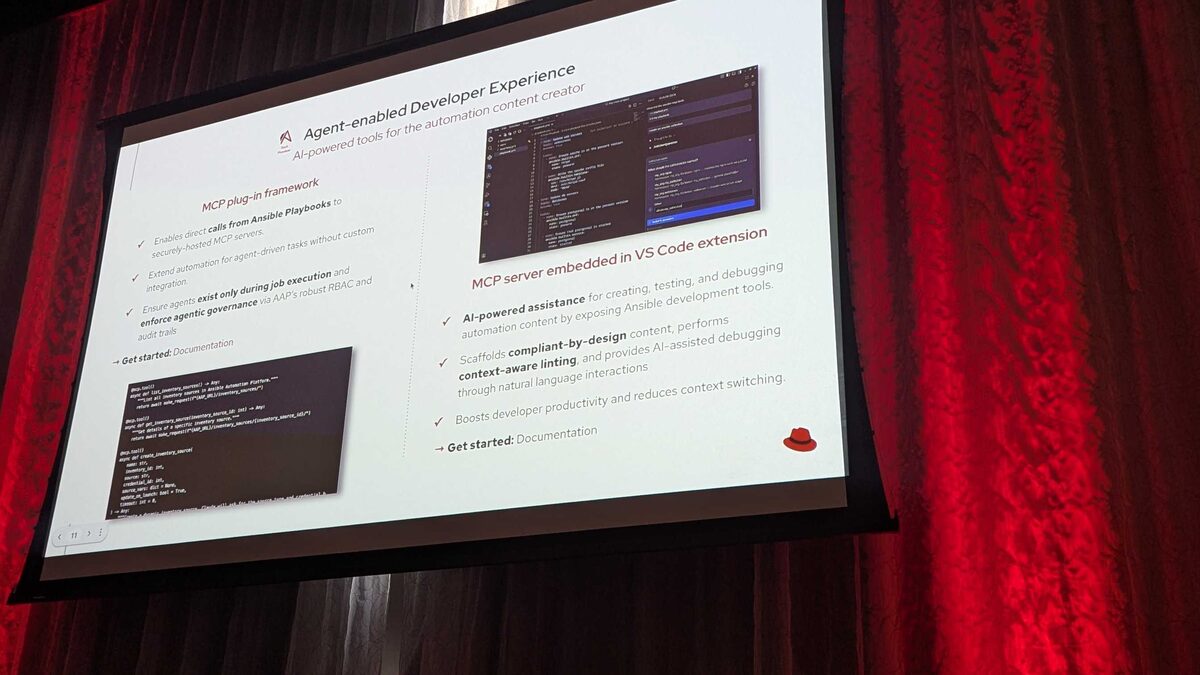
- Ansible VS Code Extension with MCP
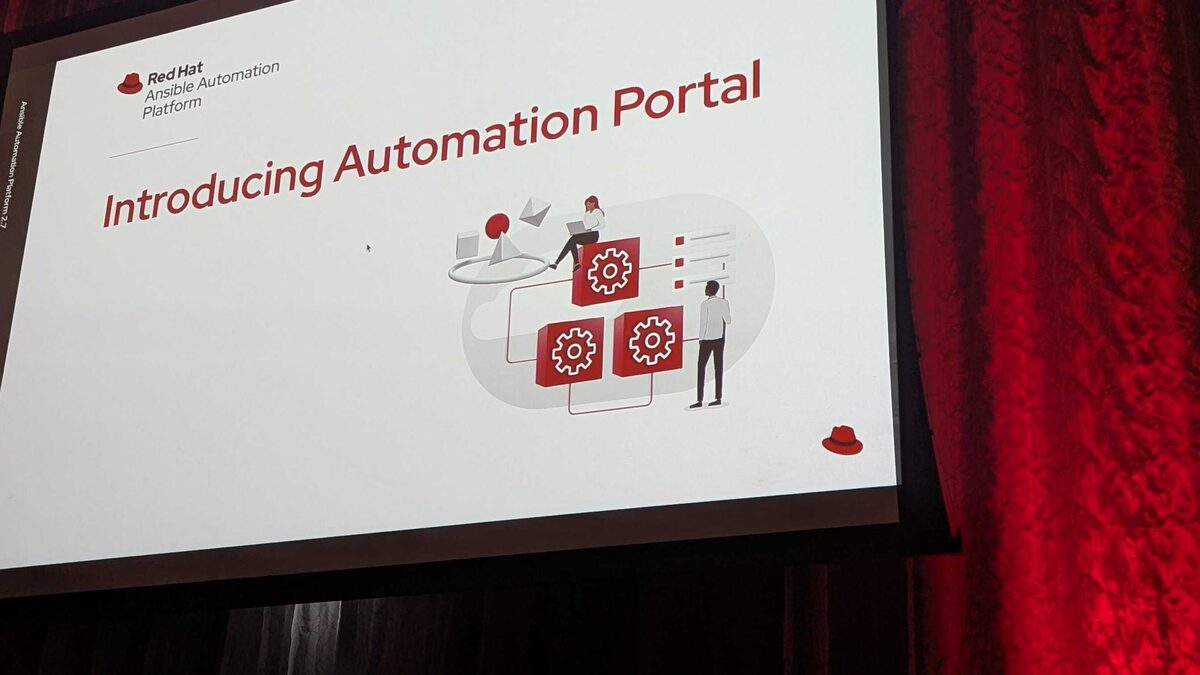
- AAP 2.7: Automation Portal and EE Builder
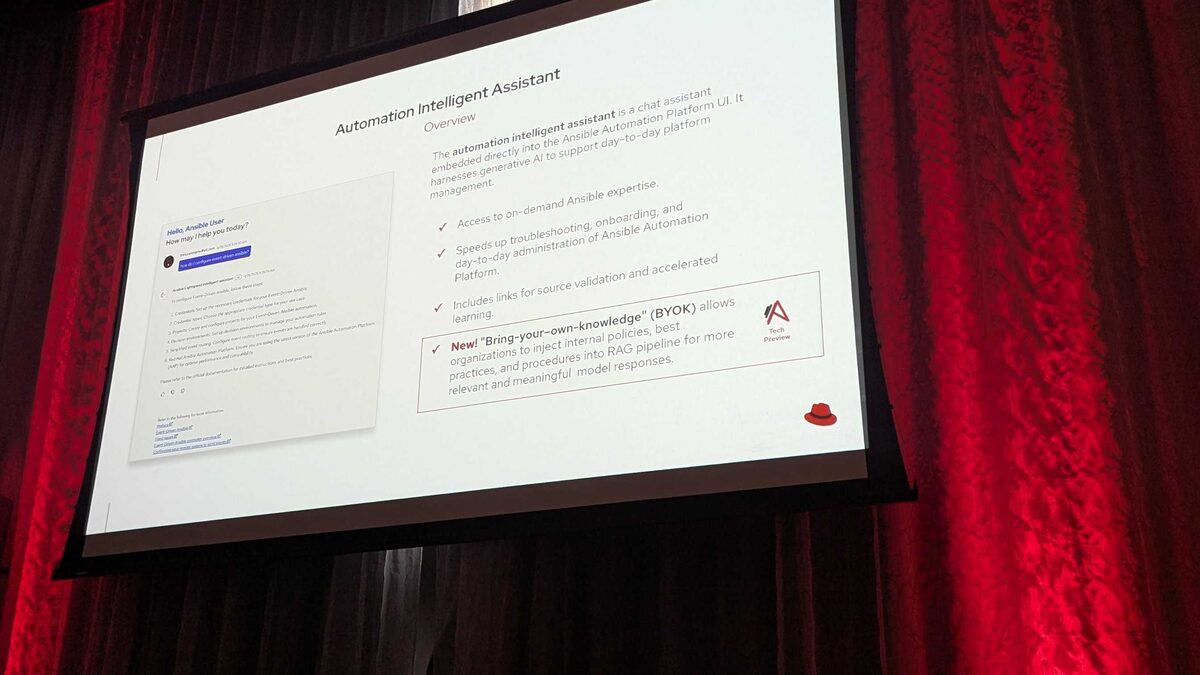
- Ansible Intelligent Assistant with MCP and BYOK RAG
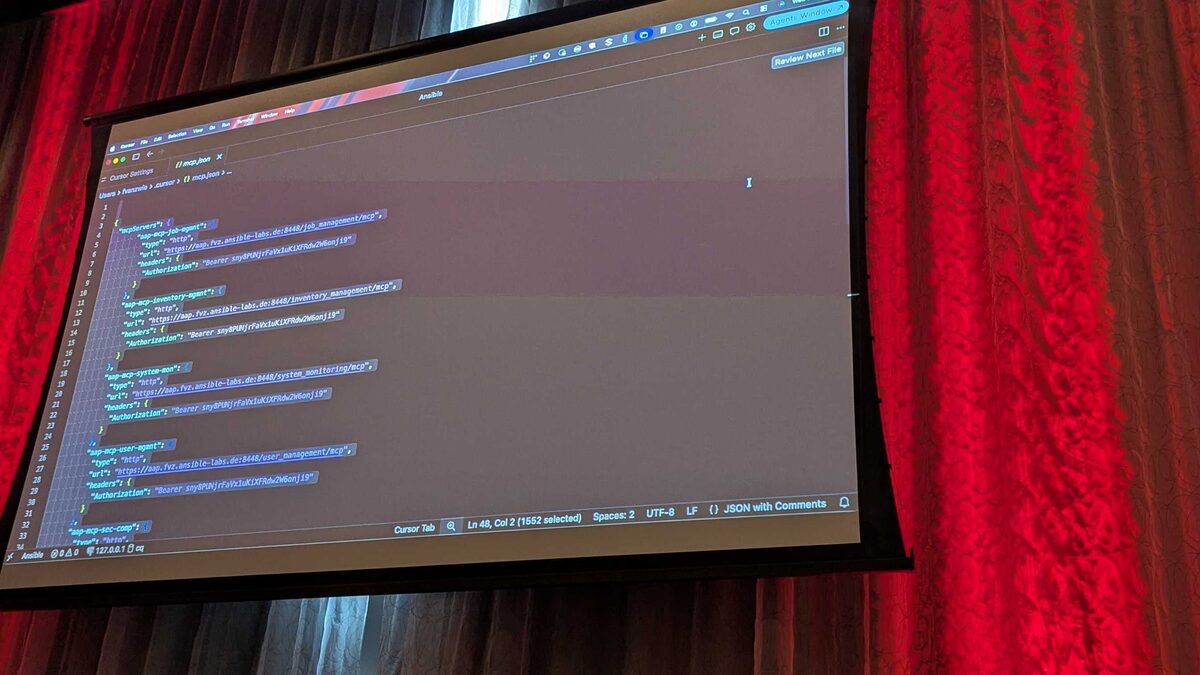
- Ansible MCP Server Live Demo in Cursor IDE
- Automation Orchestrator: AI-Driven IT Operations
- Event-Driven Ansible: New Collections and Platform Enhancements