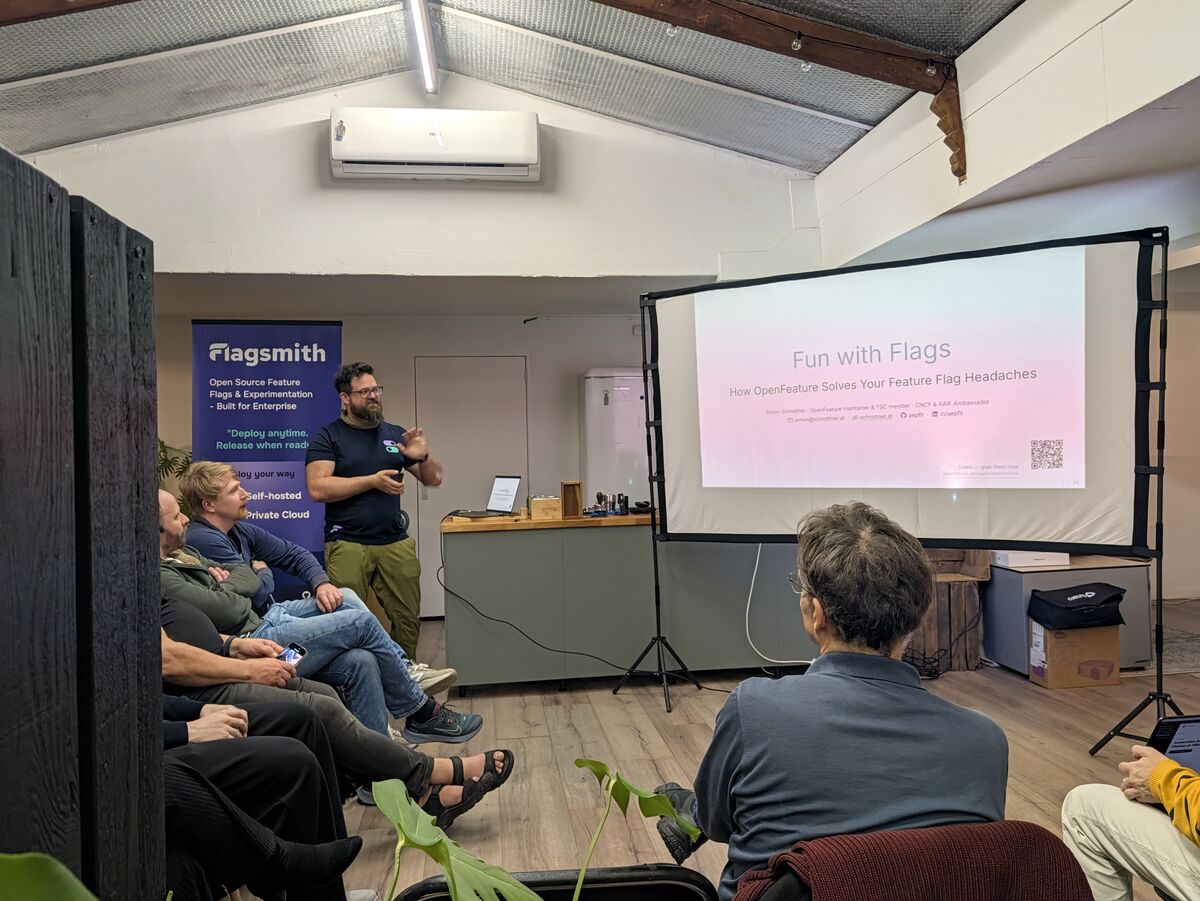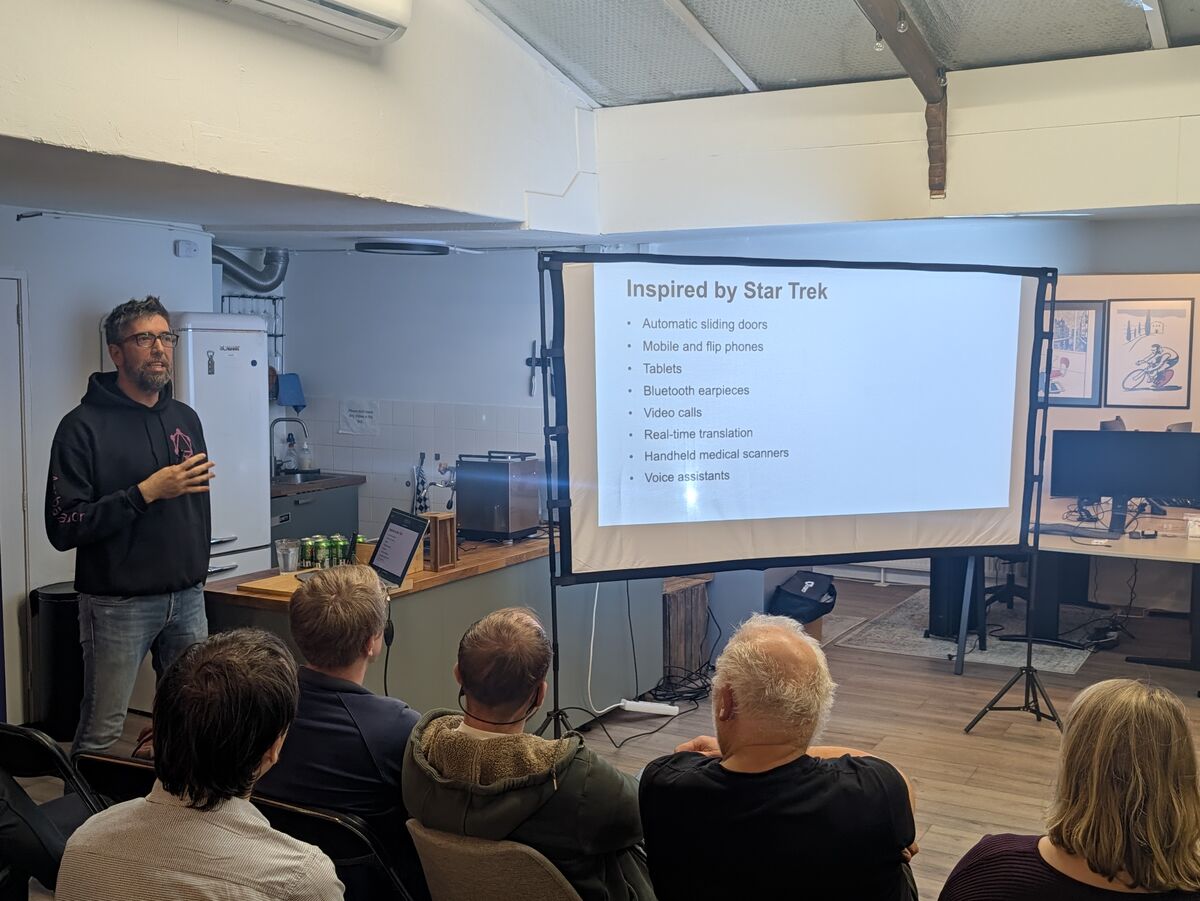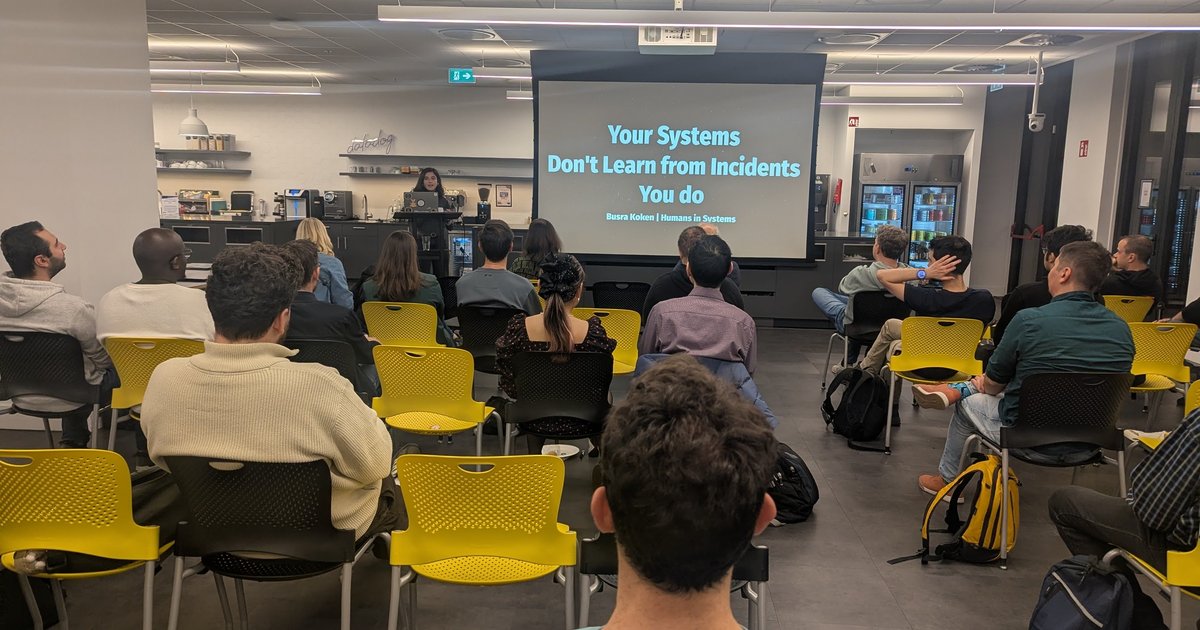
The Amsterdam JUG at Flagsmith tonight had two talks about code (OpenFeature and legacy Java as MCP tools) and then a third talk about the people who write it. Sarah Gruneisen closed the evening with “When Silence Becomes a Security Vulnerability.” It brought laughter, a lot of nodding, and a volunteer from the audience on stage.
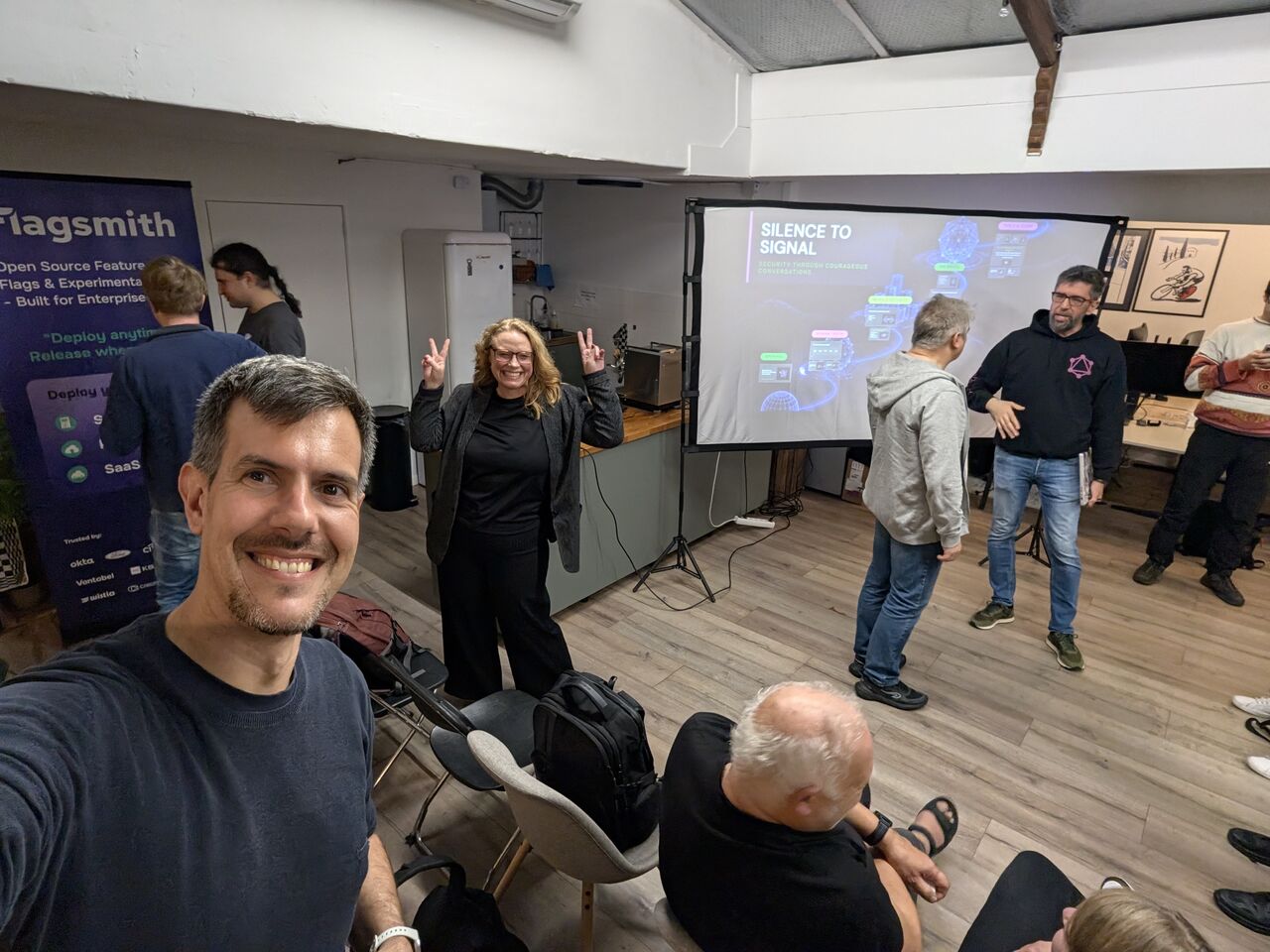
Sarah has been a software developer since the late 1990s, agile since 2003 and a Scrum practitioner since 2008. She is an Engineering Manager, a leadership trainer and mentor, and the author of The Leadership Leap. Since 2019 she has coached leaders through Avagasso Coaching, where she runs the Leadership Landing, a three-to-six-month leadership program with a new group twice a year.
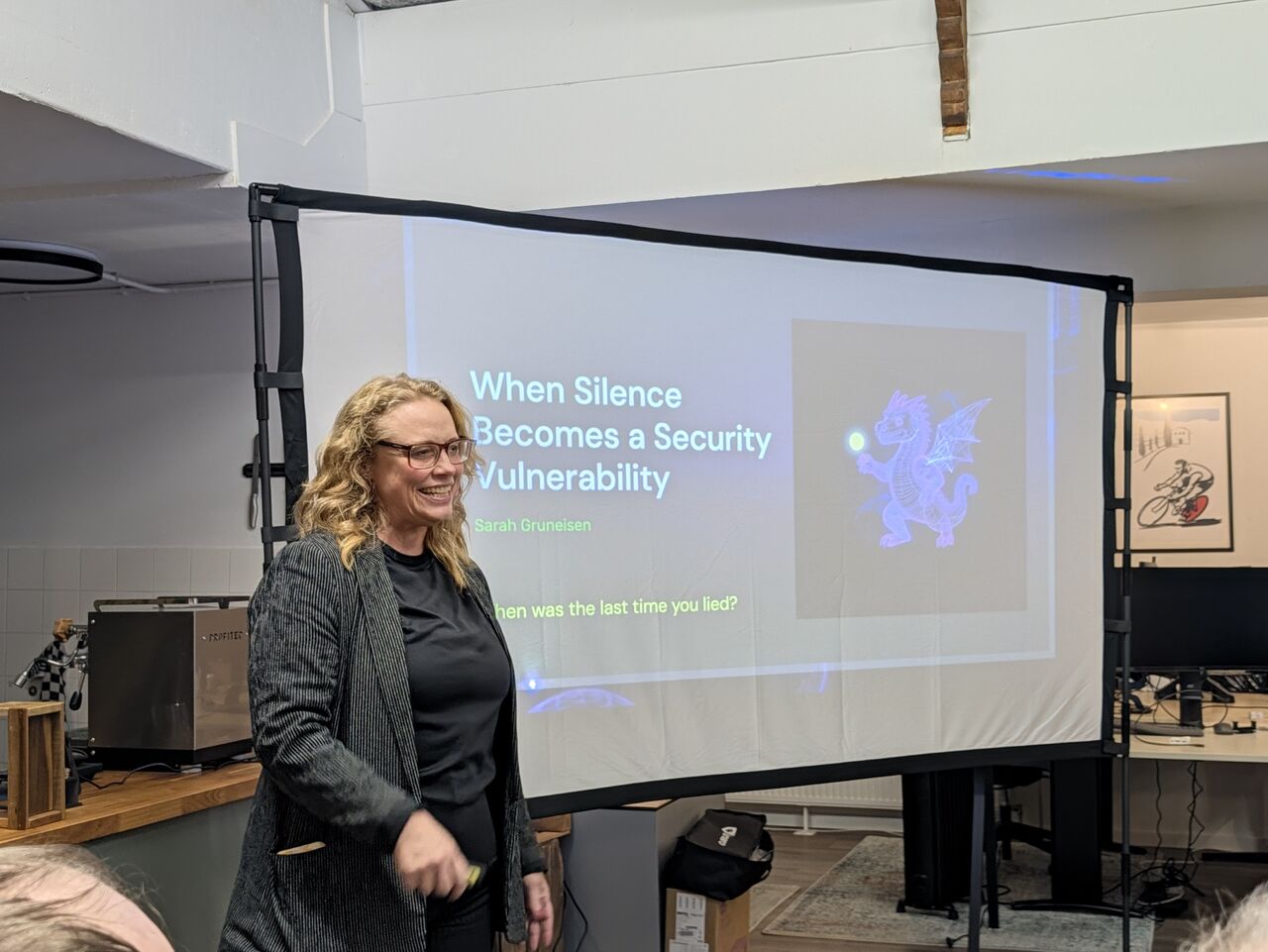
“When was the last time you lied?”
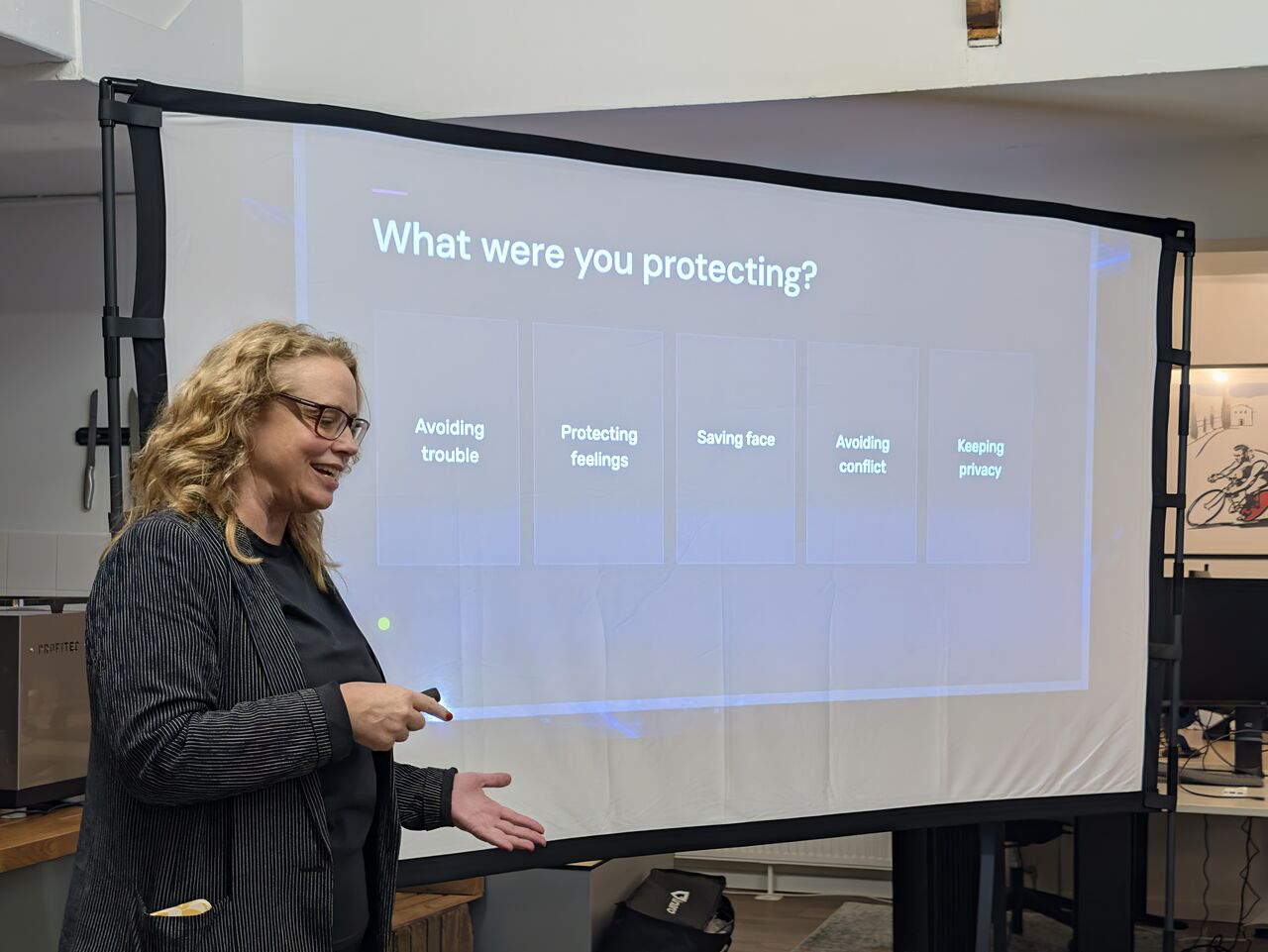
That was her first question, on the title slide, under a friendly purple dragon. Then the follow-up: what were you protecting? Avoiding trouble, protecting feelings, saving face, avoiding conflict, keeping privacy.
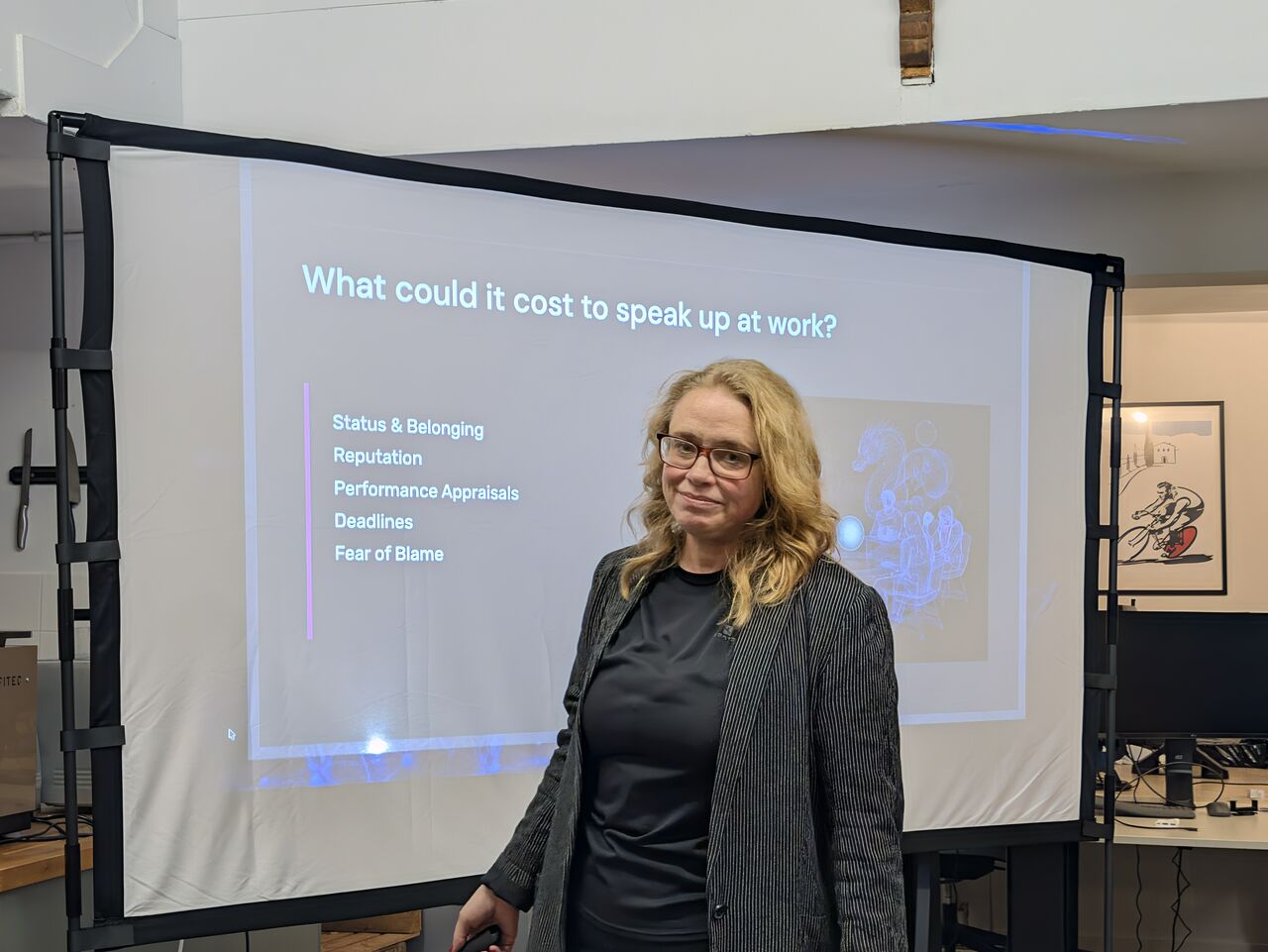
Silence works the same way. When an engineer sees something and says nothing, they are protecting something too. So the question for a team is: what does it cost to speak up here? Sarah’s list was status and belonging, reputation, performance appraisals, deadlines and fear of blame.
The vulnerability starts before the code
Then she made it concrete, with a scenario every one of us has lived:
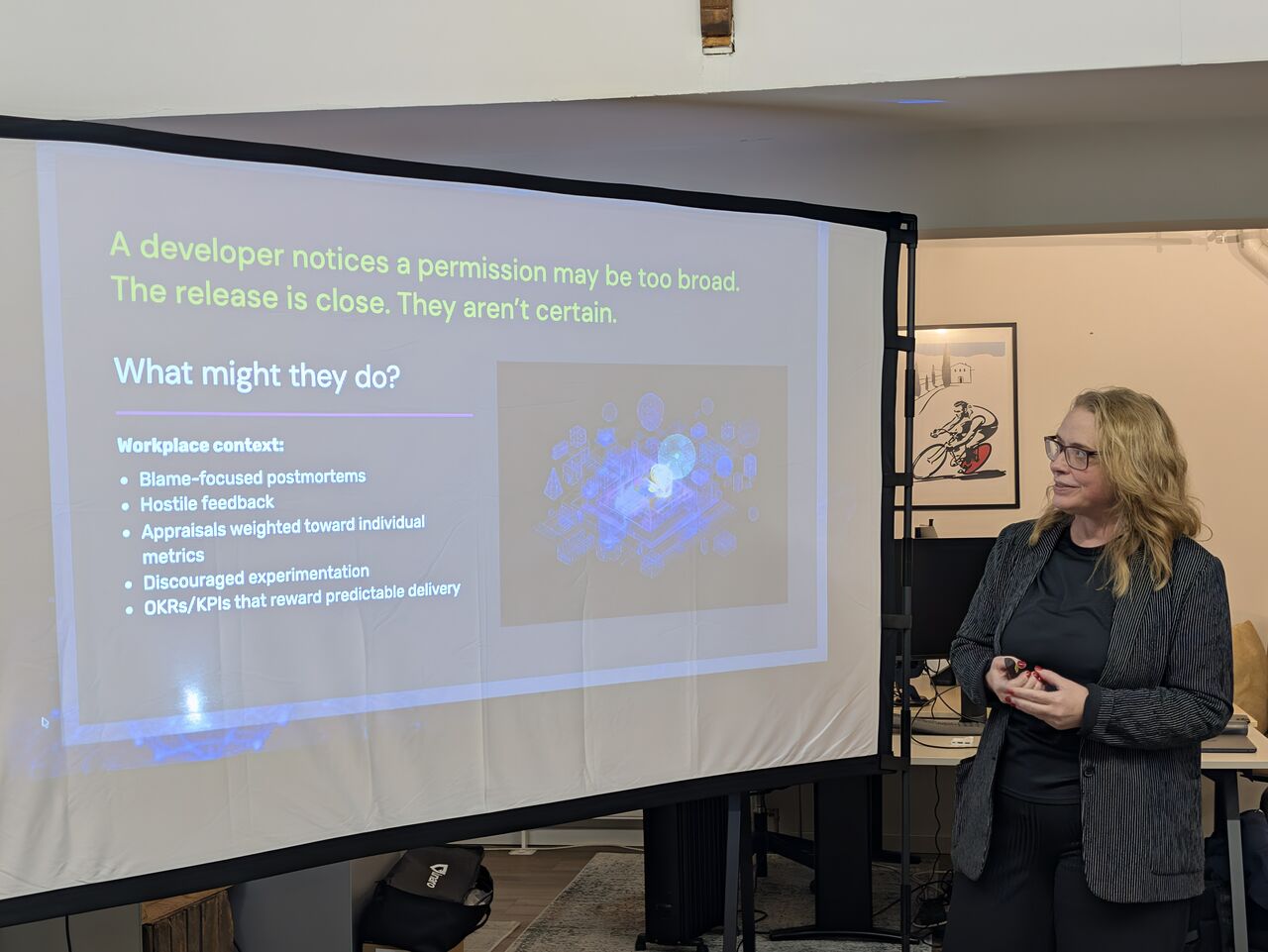
A developer notices a permission may be too broad. The release is close. They aren’t certain. What might they do?
The answer depends less on the developer than on the workplace context: blame-focused postmortems, hostile feedback, appraisals weighted toward individual metrics, discouraged experimentation, and OKRs and KPIs that reward predictable delivery. In that context, the rational choice is to stay quiet and ship. The permission stays too broad. The vulnerability is in production, and it started as a weak signal that nobody reported.
This hit home for me. In platform work I review a lot of RBAC and IAM policies, and the over-broad permission is almost never a surprise to everyone. Someone usually saw it. The question is whether it was cheaper for them to say it or to stay quiet.
The five-layer security model
Sarah’s model puts the usual security work in the middle of a larger stack. From the bottom up:
- Human safety
- Courageous communication
- Technical controls
- Detection, response and recovery
- Learning and governance
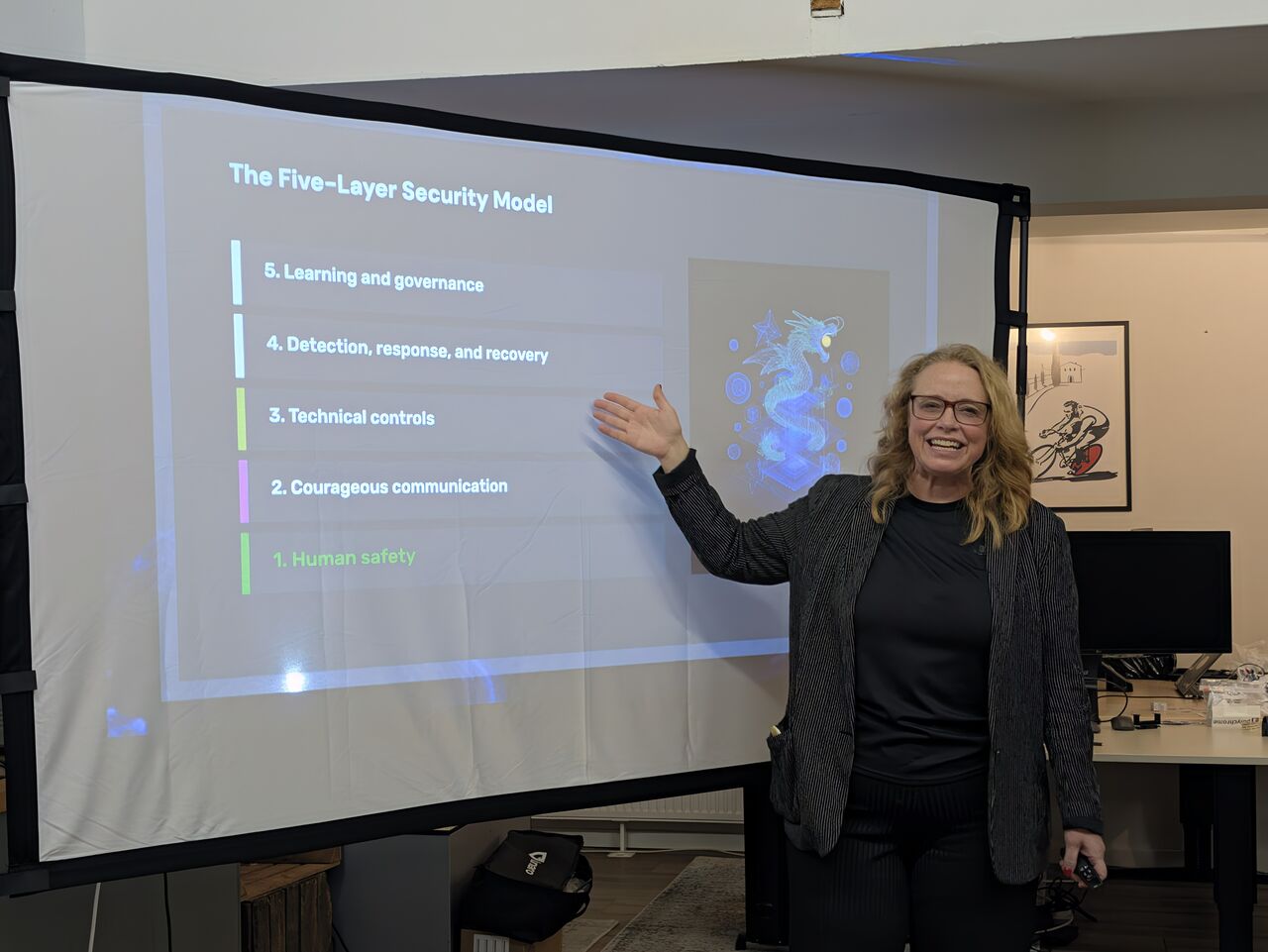
Most security programs start at layer 3: scanners, policies, least privilege, secrets management. Sarah’s point is that layer 3 stands on layers 1 and 2. If people do not feel safe, and do not know how to raise a concern well, the technical controls only catch what the tools can see. The people who could catch the rest stay silent.
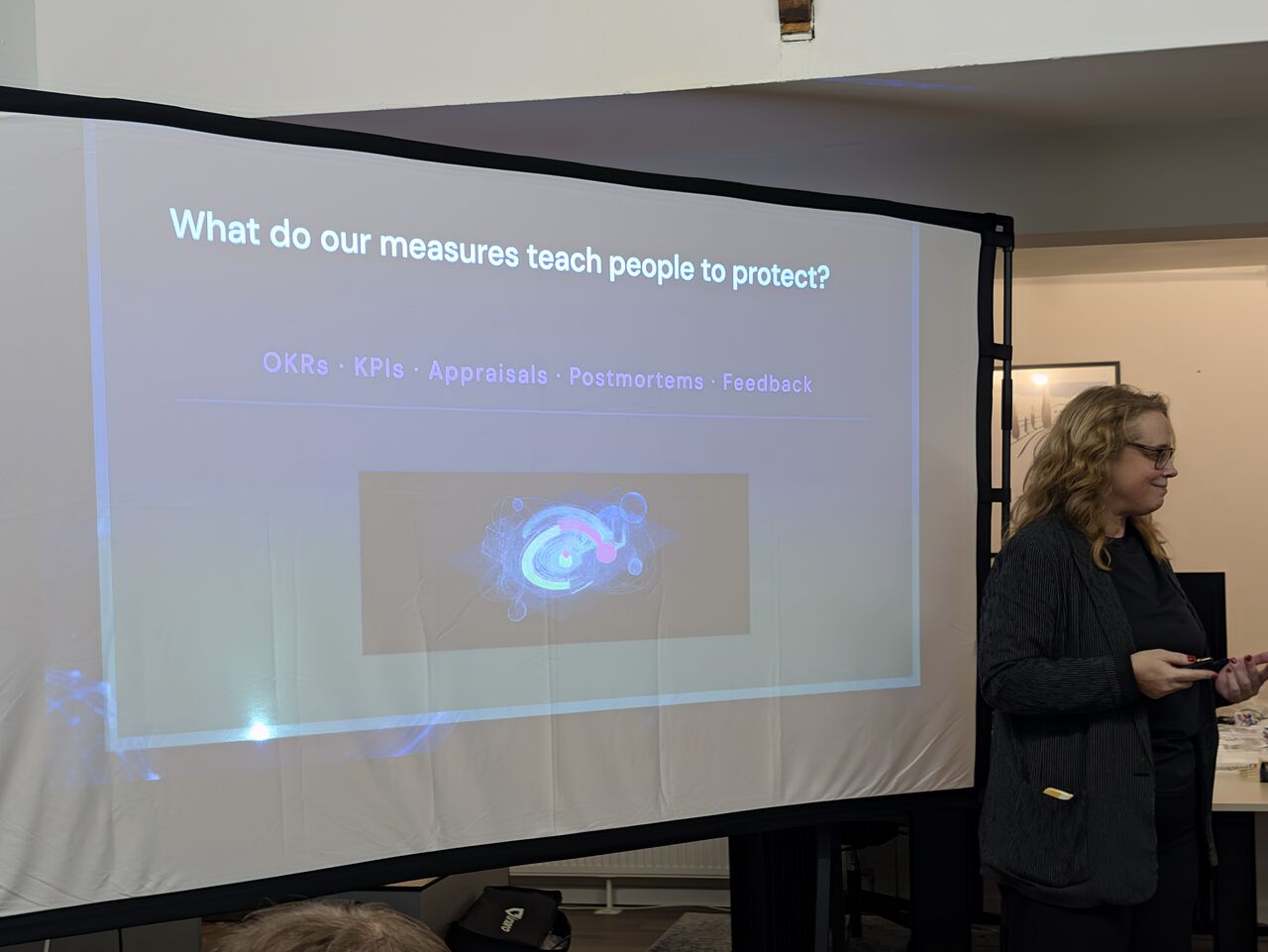
Her next slide was the question I wrote down: what do our measures teach people to protect? OKRs, KPIs, appraisals, postmortems, feedback. If every one of them rewards delivery on time and punishes the person near the incident, you have trained the team to protect the deadline and themselves, not the system.
Two loops for speaking up
The second half was practical. Sarah gave two loops, one for the conversation and one for yourself.
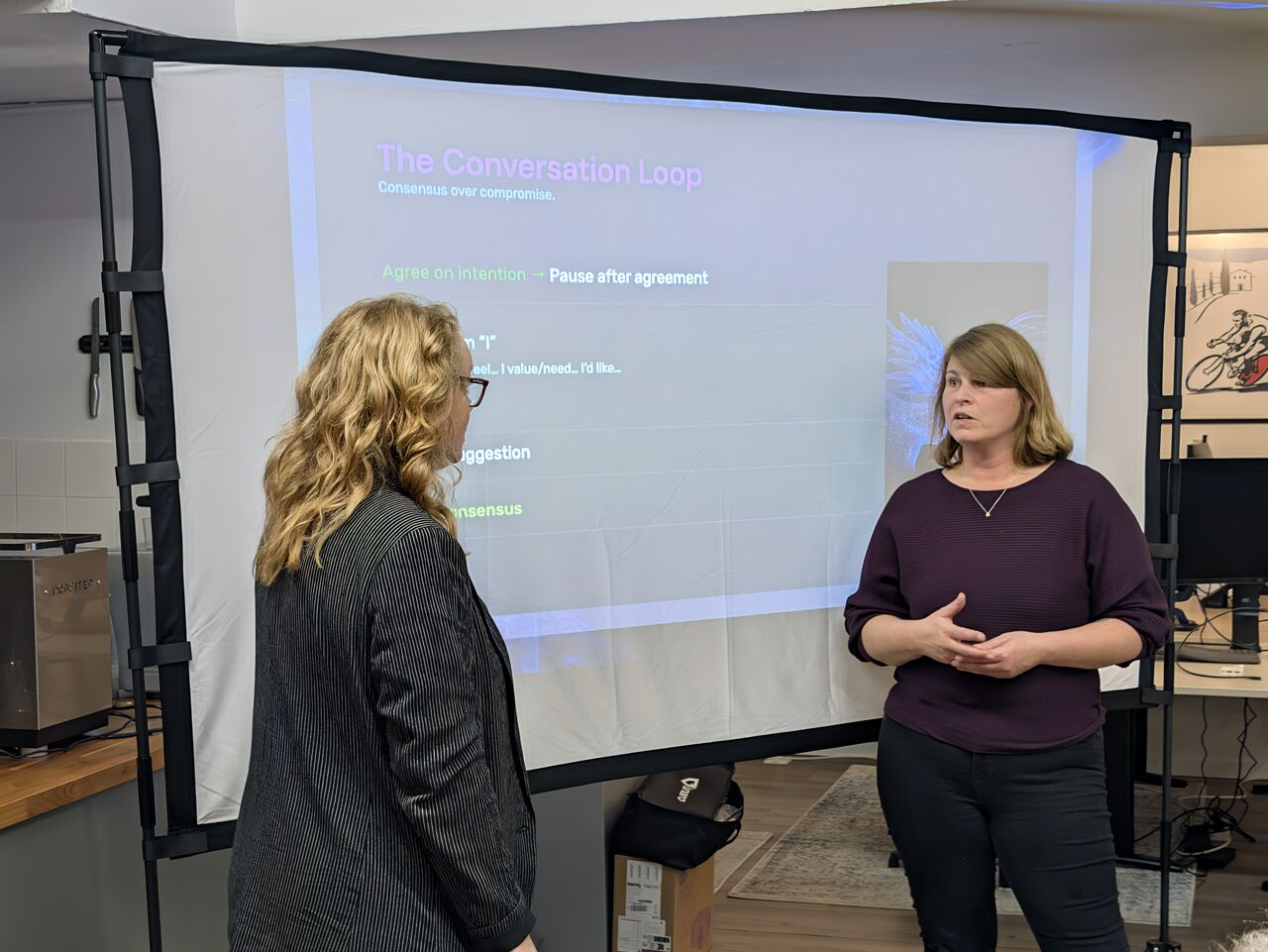
The Conversation Loop: consensus over compromise.
- Agree on the intention, then pause after the agreement.
- Speak from “I”: I observed… I feel… I value or need… I’d like…
- Offer a suggestion.
- Build consensus.
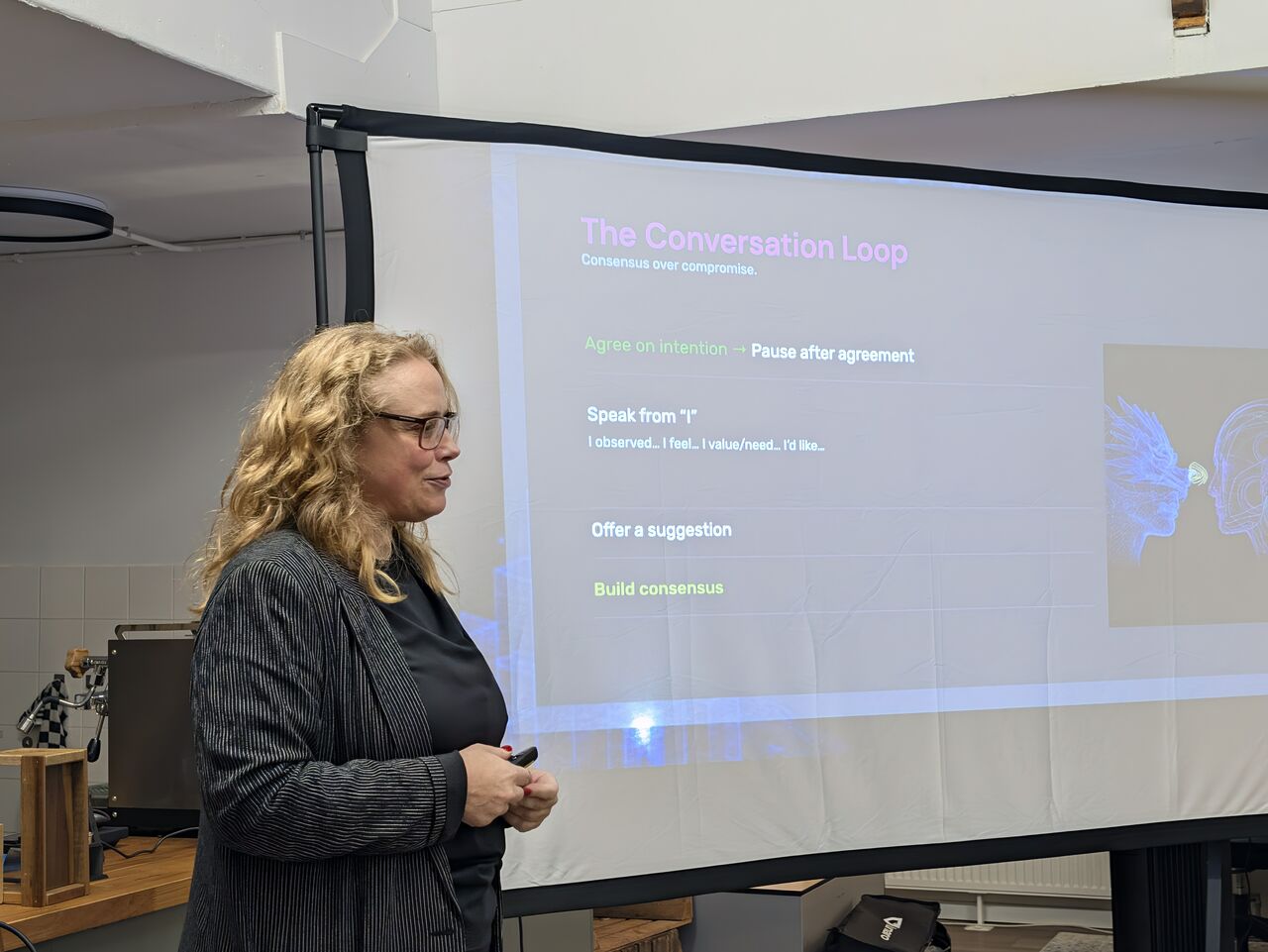
Then she did something I rarely see at a Java meetup: she asked for a volunteer from the audience and practised the loop live, on stage. Watching two people do it is more convincing than any slide, because you see how much the pause after agreeing on the intention changes the rest of the conversation.
The Inner Regulation Loop: my experience is mine, their truth is theirs.
- Notice the shift, the moment your body reacts.
- Name the dragon: the fear, the anger, the old story.
- Regulate and differentiate: calm down, and separate your experience from the other person’s.
- Then choose your next move.
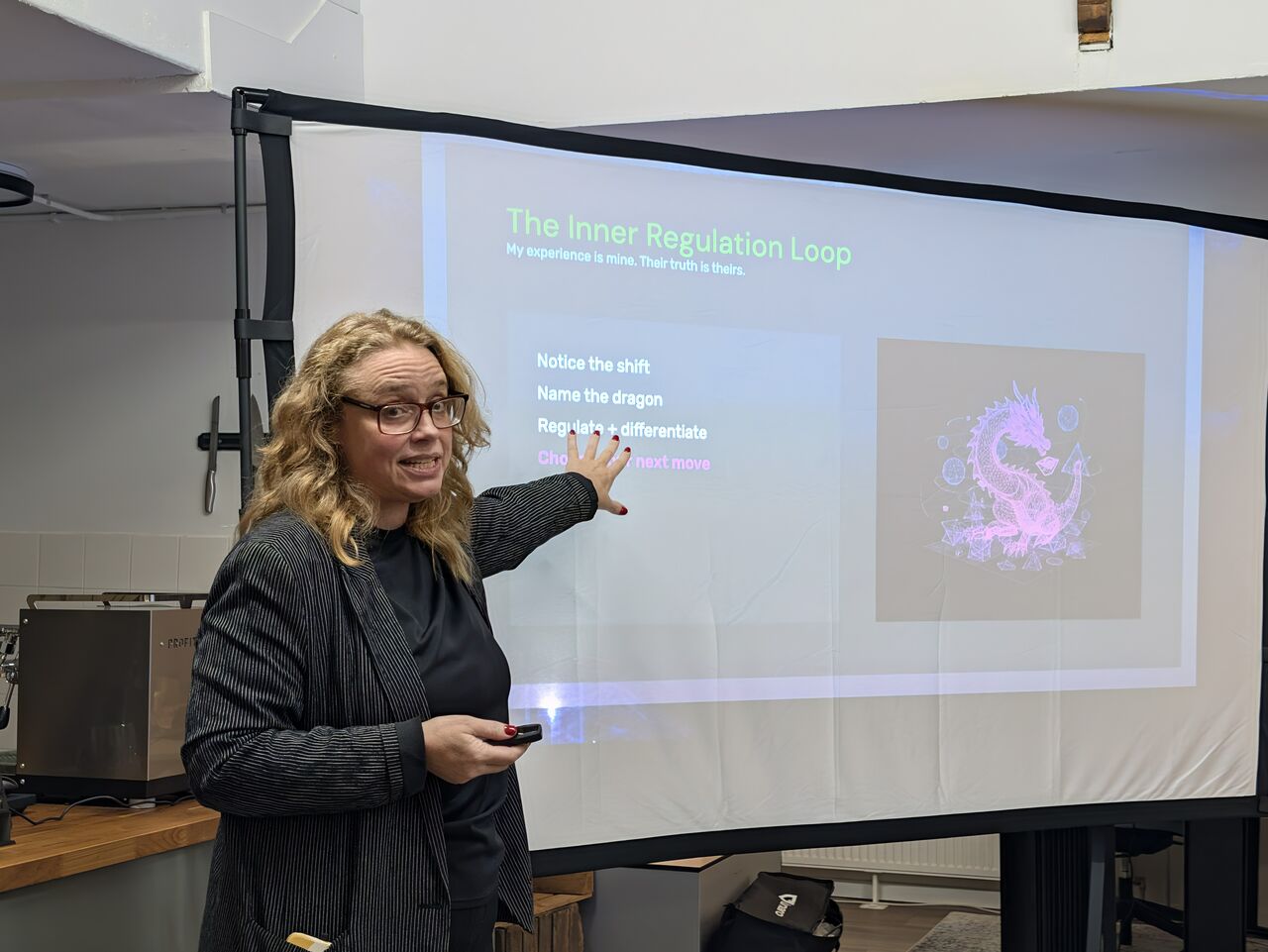
The dragons on every slide finally made sense. Everyone has one. The skill is not to have no dragon; it is to name it before it makes the decision for you.
What I take home
As a platform and security person, this is how I would apply it on Monday:
- Make the cheap report cheaper. “I’m not sure, but this permission looks too broad” should be one click: a label, a channel, a field in the pull-request template. Uncertain reports are the ones you want most.
- Count near-misses as a good number. If your security metrics only count incidents, you reward silence. Track concerns raised before release, and thank people in public for the ones that turned out to be nothing.
- Run truly blameless postmortems. Ask “what made this the rational choice at the time?”, not “who did this?”. It is the same idea as the generative culture in the DORA research: the organisations that perform best are the ones where bad news travels fast.
- Treat release pressure as a security input. The scenario was a permission found close to a release. If the deadline always wins, write that down as a risk, because it is one.
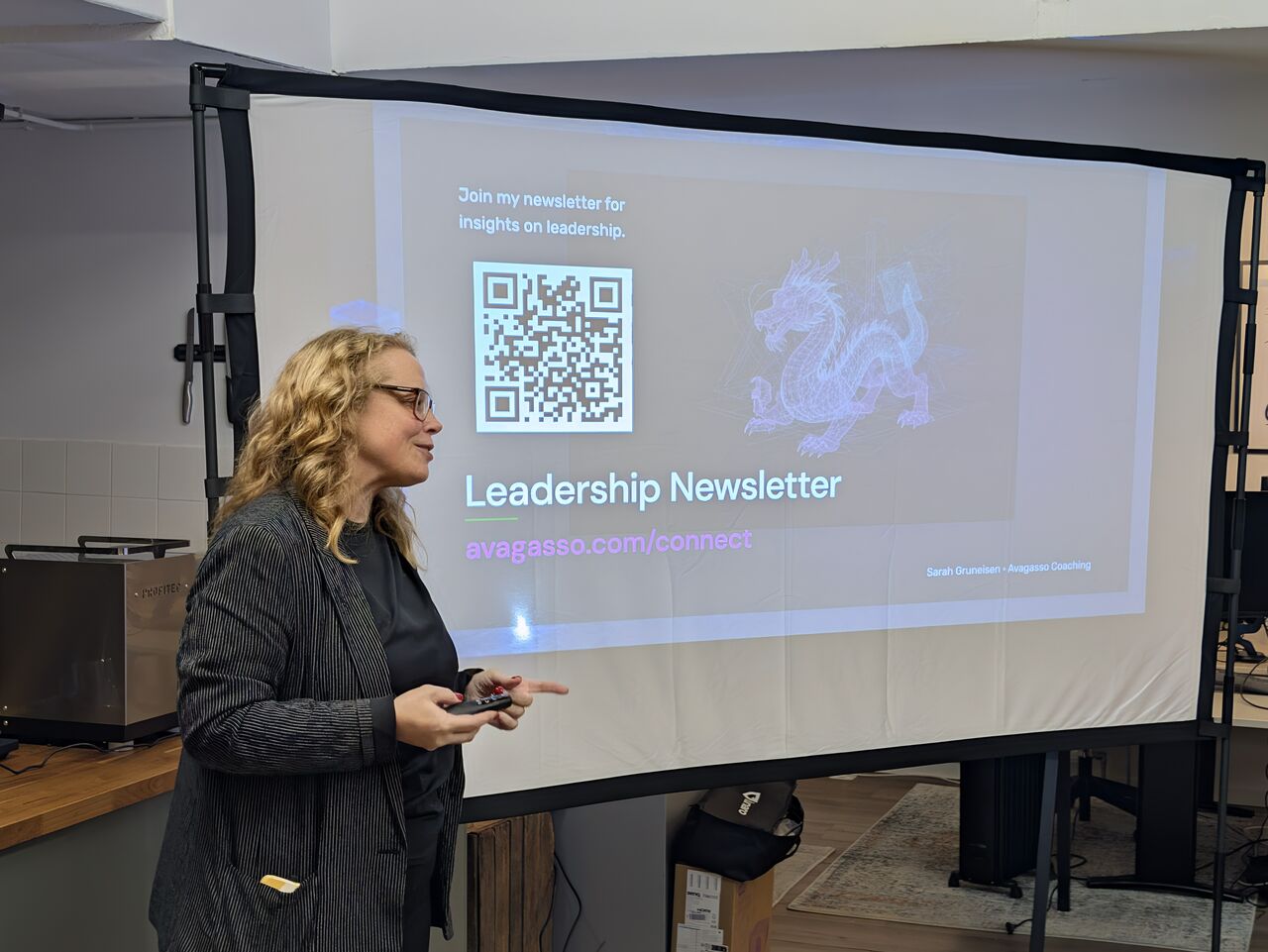
Sarah closed with her leadership newsletter at avagasso.com/connect. Her programs are on avagasso.com: the Leadership Landing (the next group starts on 12 January 2027), 1:1 and small-group mentoring with the Leadership Boost, The Leadership Leap book, and the Team Accelerator program for companies.
Three talks, three different layers of the same stack: a standard for changing a system at runtime, a safe way to let agents into old systems, and the human layer that decides whether anyone says “wait” in time. Thank you to Sarah, Simon and Željko, to Flagsmith for hosting, and to Geertjan Wielenga and the Amsterdam JUG for another great evening.