
Great evening at AI House Amsterdam for “When AI Agents Hold Wallets: Building the New Transaction Layer” — a topic that is moving from theory to implementation fast.
The central question: what happens when AI agents can not only recommend, but also transact?
The Panel
The discussion brought together practitioners from across the payments and AI ecosystem:
- Nico Marais — Prosus
- Sameer Verma — PaymentGenes
- Dhruv Ghulati — Adyen
- Desiree Dijkstra Klingenberg — Visa
- Yorick Naeff — ABN AMRO
- Ceren Danis
- Moderated by Monique van Dusseldorp
The event was hosted by AI House Amsterdam with network partners including the Holland Fintech Association, European Women Payments Network (EWPN), and Dutch Payments Association — a strong group assembled around the future of agentic commerce.
Key Themes
Several themes stood out from the discussion.
Identity and Trust Are Foundational
Before an AI agent can hold a wallet, you need to answer: who is this agent? Who authorized it? What are its spending limits? How do you revoke access?
This is not just an authentication problem — it is an identity architecture problem. The same principles that apply to zero-trust security in infrastructure apply here: never trust by default, always verify, enforce least-privilege.
For agentic AI to operate in financial contexts, identity frameworks need to evolve beyond human-centric models. Agents need their own identity, their own credentials, and their own audit trails.
Payments Infrastructure Becomes Part of the AI Stack
When agents transact autonomously, payments are no longer a separate system that humans interact with through a checkout page. Payments become an API in the agent’s toolkit — part of the AI platform architecture.
This changes what “payments infrastructure” means. It needs to support:
- Machine-speed transactions — agents do not fill in forms
- Programmable authorization — spending rules defined in code, not in a bank portal
- Real-time verification — instant identity and fund verification at API level
- Audit logging — every agent transaction needs an immutable audit trail
Companies like Adyen and Visa are already thinking about what their APIs look like when the caller is not a human clicking a button but an autonomous agent executing a workflow.
The Demo-to-Production Gap Is Wide
One of the most honest observations from the panel: the gap between demos and enterprise adoption is still significant. Building an agent that can make a purchase in a demo is straightforward. Building one that can do it at scale, within regulatory frameworks, with proper governance guardrails, and with enterprise-grade reliability — that is a different challenge entirely.
This is fundamentally an infrastructure challenge. The same patterns we see in platform engineering apply: you need reliability, observability, security, and governance baked into the platform, not bolted on afterward.
Agentic Commerce Is an Infrastructure Problem
Production-grade agentic commerce is as much an infrastructure challenge as a product one. You need:
- Reliable orchestration — agents that handle failures, retries, and timeouts gracefully
- Observability — monitoring every agent decision and transaction for compliance and debugging
- Scalable compute — agents operating at transaction volume need scalable infrastructure
- Regulatory compliance — PSD2, AML, KYC — all of which need to work in an agent-to-agent context
My Main Takeaway
The next wave of digital transformation may not just be users interacting with software, but software interacting economically with other software.
This is a paradigm shift. Today, most digital commerce flows through human decision points — a person clicks “buy,” a person approves a transfer, a person reviews an invoice. When agents operate autonomously in financial contexts, the entire transaction layer needs to be rethought.
From an infrastructure perspective, this means the AI platforms we build today need to account for agent-to-agent communication, autonomous decision-making within defined boundaries, and financial transaction capabilities as first-class platform features.
The Evening in Photos
A few more photos from the night, from a full room at AI House.
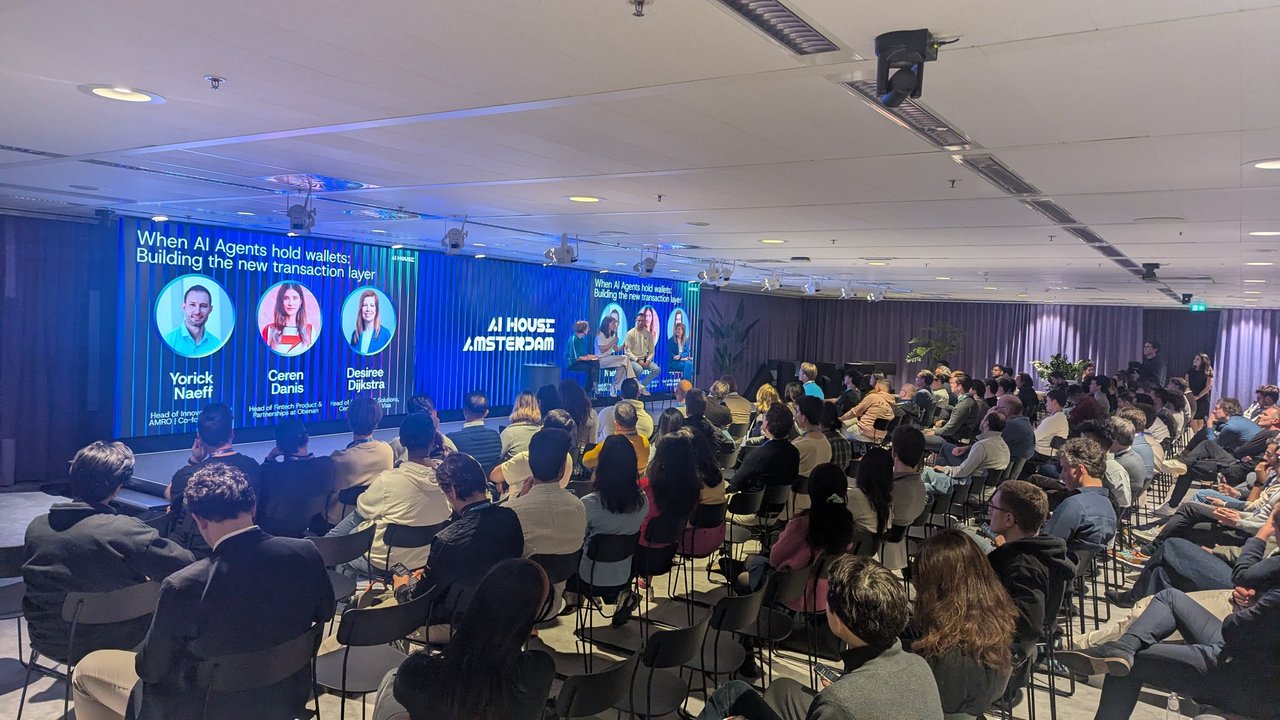
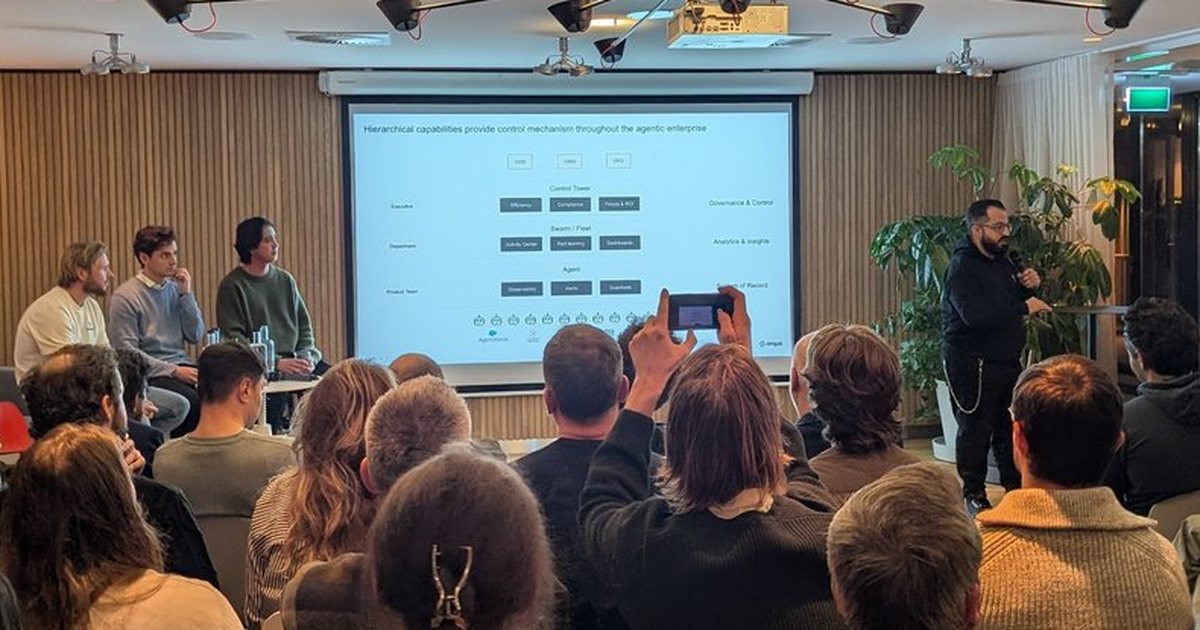
A full room for “When AI Agents hold wallets: Building the new transaction layer”.
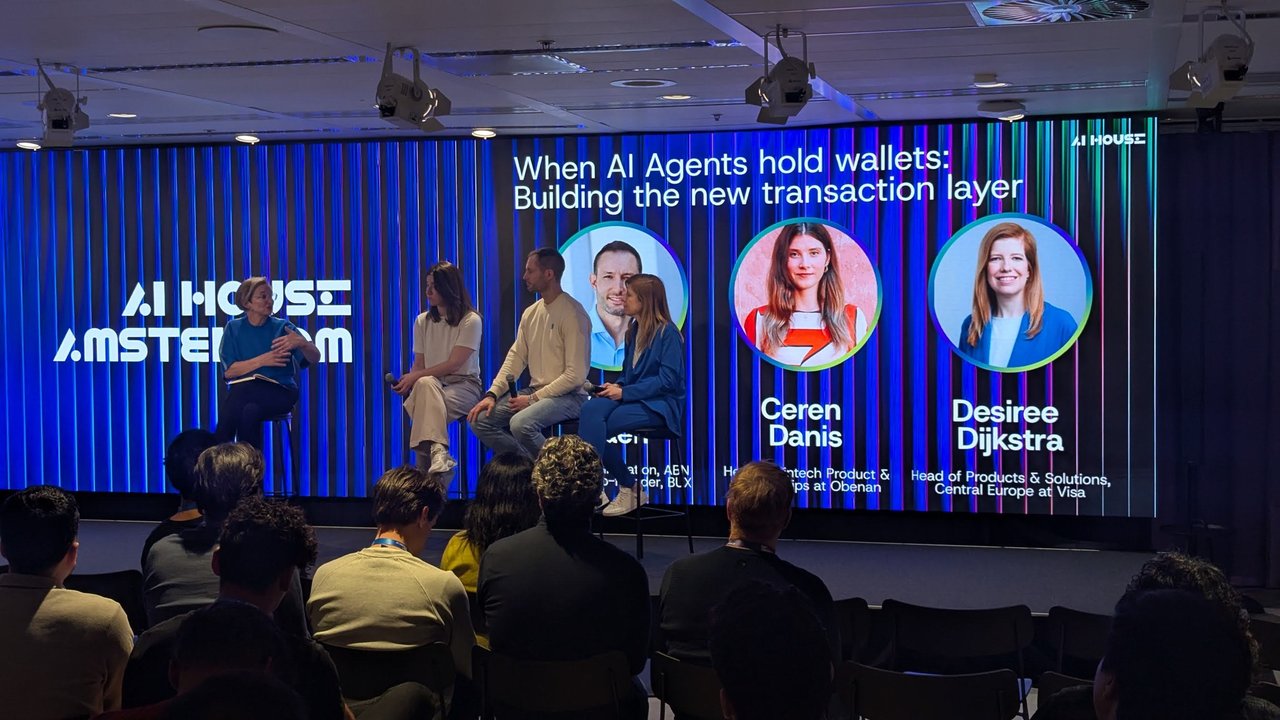

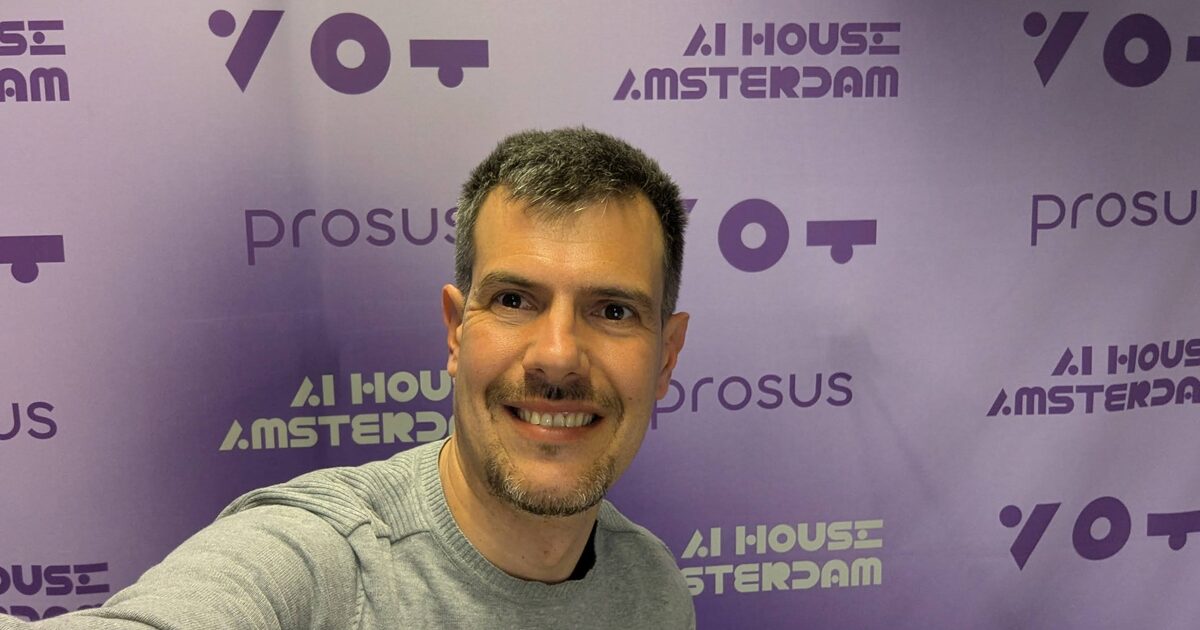
Left: the panel with the speaker slide behind them. Right: me in the audience.
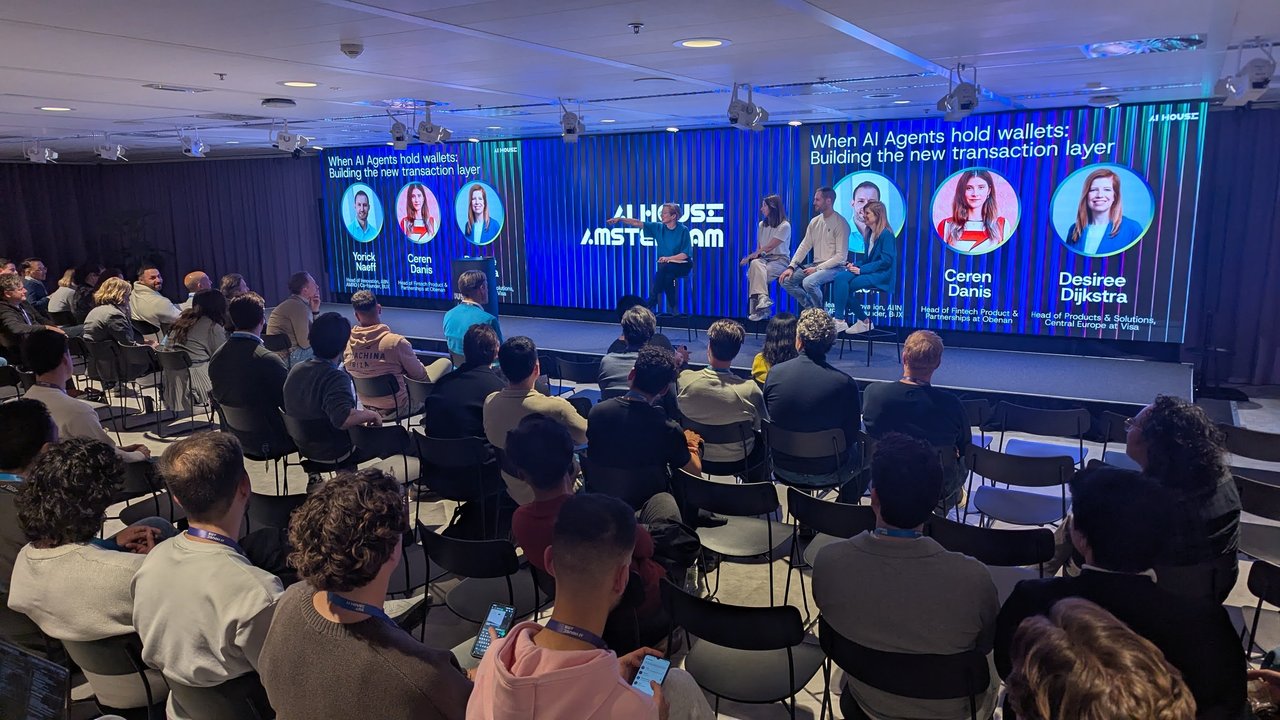
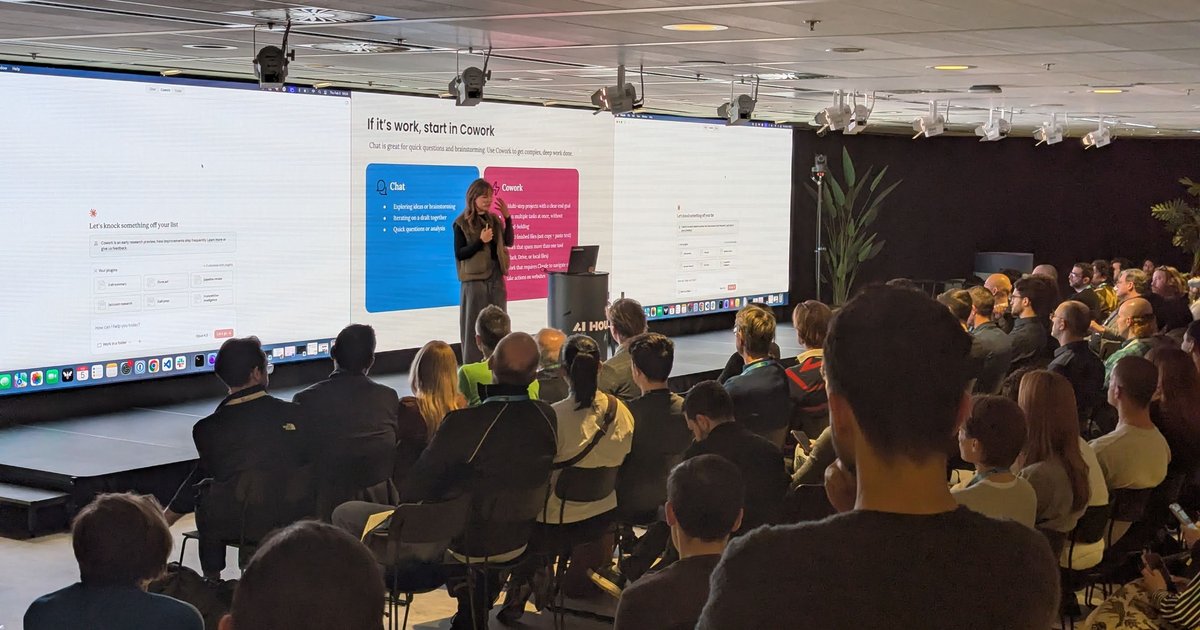
The discussion from further back in the room.

The partner slide at the end: World Trade Center Amsterdam, the Dutch Payments Association, the Holland Fintech Association and EWPN.
The closing slides also announced the next AI House evening, “From Models to Machines” on 9 April, which I wrote up separately.
Amsterdam’s AI Ecosystem
Events like this are why Amsterdam’s AI and fintech ecosystem is thriving. The combination of global payments companies (Adyen, Prosus), traditional banking (ABN AMRO), card networks (Visa), and community organizations (Holland Fintech, EWPN, Dutch Payments Association) creates a unique environment for these conversations.
If you are in Amsterdam for KubeCon Europe 2026 later this month, the city’s tech community is worth exploring beyond the conference halls.
For more on building enterprise AI platforms and agentic AI strategy, connect with me on LinkedIn or follow @TheLucaBerton.